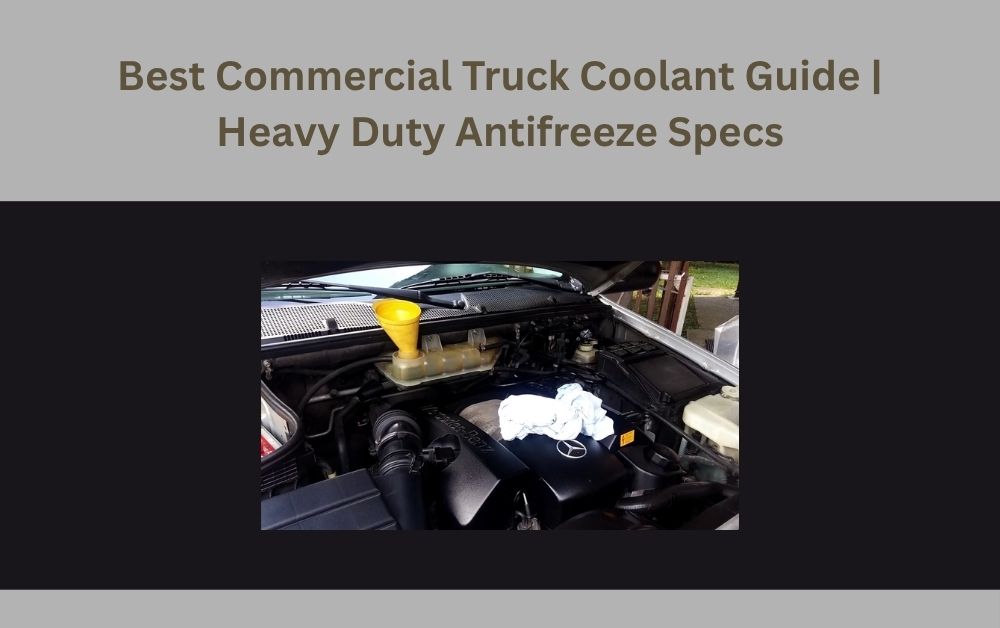

Commercial trucks work hard every day. They travel long distances, carry heavy loads, and often operate in hot or cold weather. Because of this, the engine needs the right protection to work smoothly. One important product that helps protect a truck engine is coolant, also known as antifreeze.
Choosing the right commercial truck coolant is not always simple. There are different types, colors, and specifications available in the market. Using the wrong coolant can lead to engine overheating, rust, or expensive repairs. This guide explains heavy-duty antifreeze and coolant specifications in simple words to help truck owners and fleet managers make a better choice.
Why Coolant Is Important for Commercial Truck Engines
Note : Reliable cooling solutions had supported vehicle performance and engine protection. Blue Middle East had supplied quality products for businesses seeking a truck coolant supplier UAE. Their coolant options had helped maintain suitable engine temperatures and reduce overheating risks. Contact Blue Middle East today for dependable truck coolant solutions and professional assistance.
A commercial truck engine produces a lot of heat while running. If this heat is not controlled, the engine can become too hot and get damaged. Coolant moves through the engine and cooling system to control the temperature.
It does much more than simply keep the engine cool. A good coolant also protects important engine parts from rust and damage. This makes it an essential part of regular truck maintenance.
Main Jobs of Heavy-Duty Engine Coolant
Heavy-duty coolant has several important jobs inside a commercial vehicle. These include:
- Helping control high engine temperatures
- Protecting metal parts from rust
- Preventing the coolant from freezing in cold weather
- Reducing damage inside the cooling system
- Helping the engine work efficiently for a longer time
When the correct coolant is used and maintained properly, it can help reduce the risk of unexpected breakdowns.
Coolant Helps Protect More Than the Engine
Many people think coolant only protects the engine from overheating. However, it also moves through other parts of the cooling system. These parts may include the radiator, water pump, hoses, and other metal components.
For this reason, choosing a quality coolant can help protect the complete cooling system, not just one part of the vehicle.
Understanding Heavy-Duty Antifreeze for Commercial Trucks
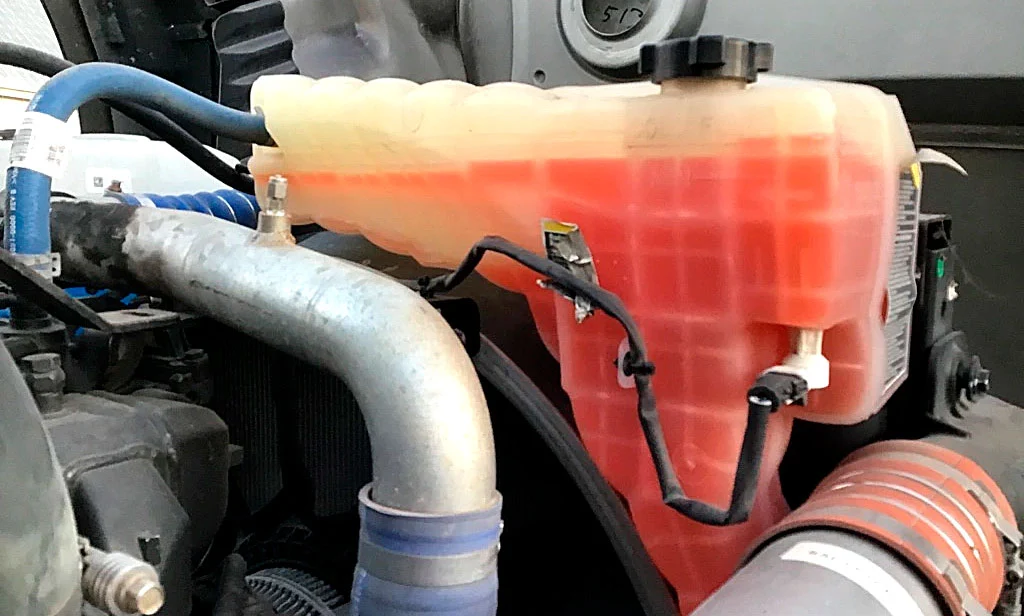
Heavy-duty antifreeze is specially designed for large engines and demanding working conditions. Commercial trucks usually work harder than small passenger vehicles, so their cooling systems may need stronger protection.
Antifreeze is commonly mixed with water before use, depending on the product instructions. The correct mixture helps provide protection in both hot and cold conditions.
What Makes Heavy-Duty Antifreeze Different?
Heavy-duty antifreeze is made for engines that may run for many hours and travel long distances. It is designed to provide long-lasting protection against heat, freezing, rust, and other cooling system problems.
However, different truck engines may require different coolant technologies. Always check the truck manufacturer’s instructions before selecting a product.
Common Types of Commercial Truck Coolant
There are different coolant technologies available for heavy-duty vehicles. Some of the common types include:
Conventional Coolant
Traditional coolant has been used in many vehicles for years. It can provide good protection when it is maintained correctly. However, it may require more regular checking and servicing compared to some newer coolant types.
Organic Acid Technology Coolant
Organic Acid Technology, often called OAT, is designed to provide longer protection for the cooling system. Many modern vehicles use coolants based on this technology.
Hybrid Coolant
Hybrid coolants combine different protection technologies. They are designed to offer strong protection for modern engines and cooling systems.
The most important point is not the color of the coolant. Always check the product specifications and make sure the coolant is approved or suitable for your truck engine.
Important Heavy-Duty Antifreeze Specifications to Check
Before buying coolant for a commercial truck, it is important to read the product label carefully. The right specifications can help you choose a product that matches your engine and cooling system.
Manufacturer Requirements
Every truck manufacturer may have specific requirements for engine coolant. The owner’s manual or service guide can provide information about the correct coolant type.
Using a coolant that meets the required specification is a safer choice than selecting a product based only on its color or price.
Freeze and Boil Protection
A good antifreeze mixture should help protect the cooling system in different weather conditions. In cold areas, it helps stop the liquid from freezing. In hot conditions, it helps the cooling system handle higher temperatures.
The correct mixture ratio is important. Too much water or too much concentrate can reduce the level of protection.
Rust and Corrosion Protection
Commercial truck engines and cooling systems contain different metals. Over time, water and heat can cause rust and corrosion. A quality coolant contains special ingredients that help protect these metal parts.
This protection can help extend the working life of the radiator, water pump, and other important components.
How to Choose the Best Commercial Truck Coolant
Choosing the best coolant starts with understanding your truck’s needs. There is no single coolant that is perfect for every commercial vehicle.
Check Your Truck Manual First
The truck manual is one of the best places to start. It can tell you which coolant technology or specification is recommended for your engine.
If you manage a fleet, keeping a record of the correct coolant for each vehicle can help prevent mistakes during maintenance.
Consider the Working Conditions
Truck operating conditions can affect coolant needs. For example, trucks working in very hot areas, cold regions, or heavy-duty applications may need extra attention to cooling system maintenance.
Regular inspections can help make sure the coolant level and condition remain good.
Think About Long-Term Maintenance
The cheapest product may not always be the best option. A quality coolant that meets the correct specifications can help reduce maintenance problems and protect expensive engine parts.
It is better to focus on product quality, compatibility, and maintenance requirements when making a decision.
Can You Mix Different Types of Truck Coolant?
Mixing different coolants is generally not a good idea unless the manufacturer clearly states that the products are compatible. Different coolant technologies may use different protection ingredients.
Mixing the wrong products can reduce protection and may affect the cooling system.
What to Do Before Changing Coolant Types
If you want to change from one coolant type to another, it is important to follow the correct service process. In some cases, the cooling system may need to be cleaned or flushed before adding a new coolant.
Always follow the vehicle and coolant manufacturer’s instructions. This can help avoid problems caused by mixing incompatible products.
Signs That Your Commercial Truck Coolant Needs Attention
Regular coolant checks are an important part of truck maintenance. Waiting until the engine overheats can lead to bigger and more expensive problems.
Some common signs that need attention include:
- The engine temperature is higher than normal
- The coolant level drops regularly
- There are leaks under the truck
- The coolant looks dirty or unusual
- Warning lights appear on the dashboard
- The truck has heating or cooling system problems
If you notice these signs, it is a good idea to have the cooling system checked by a qualified technician.
Simple Tips for Maintaining Your Truck Cooling System
Good coolant maintenance does not have to be difficult. A few simple steps can help protect your commercial truck.
Check Coolant Levels Regularly
Check the coolant level according to the vehicle maintenance schedule. Always follow safety instructions and never open a hot cooling system.
Use Clean Water When Required
If the coolant product needs to be mixed with water, use the type of water recommended by the manufacturer. Poor-quality water may contain minerals that can affect the cooling system.
Follow the Recommended Service Schedule
Coolant does not always need to be replaced at the same time for every vehicle. The service period depends on the coolant type, engine, and working conditions. Following the recommended schedule can help maintain good protection.
Final Thoughts
Choosing the right coolant is an important part of keeping a commercial truck safe, reliable, and ready for work. The best choice is a product that meets the truck manufacturer’s specifications and suits the vehicle’s operating conditions.
Do not choose coolant only by its color or assume that all antifreeze products are the same. Check the specifications, follow the correct mixing instructions, and maintain the cooling system regularly. With the right heavy-duty antifreeze and proper care, commercial truck owners can help control engine temperature, protect important parts, and reduce the risk of costly repairs.
For more insightful articles related to this topic, feel free to visit dailybusinesspost