
Knowing when you need a car clutch replacement is vital for any driver managing a manual vehicle in the UK. Most clutches last between 50,000 and 100,000 miles, but your driving style drastically changes this expected lifespan. Constant stop-start traffic and heavy towing put significant strain on the internal friction plates. Routine manual transmission maintenance helps you identify wear early, preventing sudden breakdowns on busy motorways. Understanding these signs saves you from expensive repairs and keeps your vehicle safe for longer.
1. What Determines Your Clutch Lifespan?
The longevity of your clutch depends almost entirely on how you operate the pedal daily. Drivers who “ride the clutch” by resting their foot on it while driving cause premature wear. Similarly, aggressive gear changes and rapid acceleration heat the friction material, leading to rapid thinning. Professional mechanics often suggest that city driving consumes the clutch much faster than motorway driving. Being mindful of your habits significantly extends the interval between needing a professional clutch repair service.
2. Warning Signs That Your Clutch Is Failing
Catching problems early prevents total system failure, which can leave you stranded without any gears. Pay close attention to how your vehicle behaves during your daily commute to work or shops. If you notice any of these common symptoms, consult a local garage for a full inspection:
- Spongy or stiff pedal: The clutch pedal feels completely different under your foot than usual.
- Slipping gears: The engine revs increase without a corresponding rise in vehicle speed.
- Difficult gear selection: You struggle to push the gear stick into position, especially in reverse.
- Burning smell: A sharp, acrid odour often occurs when the friction material overheats significantly.
- Grinding noises: Strange mechanical sounds appear whenever you press or release the clutch pedal.
3. The Full Process of a Clutch Kit Replacement
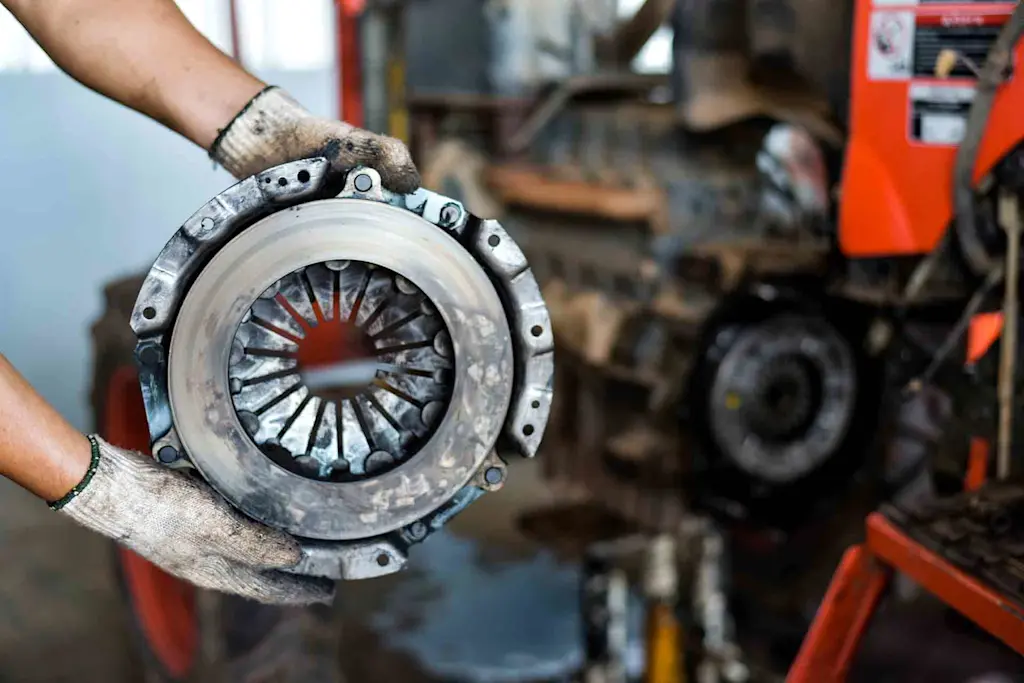
When your system finally reaches its limit, a full clutch kit replacement is the standard industry solution. This process involves removing the gearbox to access the worn friction disc, pressure plate, and release bearing. Mechanics always recommend replacing the entire kit together rather than just one individual worn component. This approach ensures that every part works perfectly in harmony, providing a smooth and reliable driving experience. Skipping parts might save money today, but often results in expensive re-assembly labour costs later.
4. Comparing Driving Habits and Wear
Not every driver experiences the same wear rates, even when driving identical car models daily. The table below highlights how specific driving conditions influence your need for a future repair.
| Driving Condition | Impact on Clutch Wear | Expected Lifespan |
| Motorway driving | Minimal pedal use | Very long |
| City/Urban driving | High pedal frequency | Moderate |
| Towing heavy loads | Increased stress/heat | Short |
| Aggressive driving | Excessive friction wear | Very short |
5. Professional Maintenance Tips for Drivers
Keeping your transmission healthy requires simple habits that anyone can follow during their daily travels. Avoid keeping your car in gear while waiting at red lights, as this strains the release bearing. Use the handbrake instead to hold your vehicle stationary during long waits in heavy traffic. Regular manual transmission maintenance also includes checking your hydraulic fluid levels for leaks or contamination. Small actions taken consistently make a massive difference to the durability of your transmission system components.
6. Is It Worth Fixing or Replacing?
Deciding whether to perform a minor repair or a complete replacement depends on the damage extent. Sometimes, a simple cable adjustment fixes a stiff pedal without needing any new mechanical parts. However, if the friction plate is worn thin, no adjustment will resolve the underlying performance issue. Always ask for a transparent assessment before committing to a full clutch repair service at your garage. An honest technician will clearly explain whether you truly need a complete clutch kit replacement now.
Conclusion
Your clutch is an essential component that requires responsible handling to ensure a long and reliable lifespan. Recognising the early signs of wear allows you to plan your car clutch replacement well in advance. By adopting smoother driving techniques and prioritising routine checks, you avoid the inconvenience of unexpected roadside breakdowns. Always choose qualified experts when your vehicle requires a complex clutch kit replacement to ensure safety. Keeping your transmission in top condition ensures your car stays dependable for many thousands of miles ahead.
FAQs
1. How many miles can I expect from my clutch?
Most healthy clutches typically last between 50,000 and 100,000 miles with normal, careful driving habits. If you drive mostly on motorways, your manual transmission maintenance schedule will likely involve much less frequent replacements. Stop-start city traffic is the primary factor that shortens this expected lifespan for most motorists.
2. Is it safe to drive with a slipping clutch?
Driving with a slipping clutch is not safe because you lose essential control over your vehicle’s power. The slippage will only get worse very quickly, eventually preventing the car from moving forward at all. You should arrange a clutch repair service immediately if you notice the engine revs rising without speed.
3. What happens during a clutch kit replacement?
The mechanic removes the gearbox to replace the friction disc, the pressure plate, and the release bearing. Completing a full clutch kit replacement ensures all related parts operate smoothly together as a single unit. This prevents future issues that might arise from leaving older, worn components inside the transmission assembly.
4. Why does my clutch smell like it is burning?
A burning smell usually happens when the clutch material overheats due to excessive friction and slipping. This often occurs when pulling away too slowly or riding the clutch during a clutch repair service session. Constant overheating causes the material to degrade, which will eventually lead to total system failure.
5. How much does a clutch repair usually cost?
Costs vary based on your specific vehicle make, model, and the complexity of the gearbox removal. A professional car clutch replacement involves significant labour time to access the transmission and fit the parts. You should always obtain a detailed quote from a reputable garage before authorising any major work.
6. Does towing a caravan ruin the clutch?
Towing heavy loads puts extra strain on the transmission, which leads to faster wear and tear. You must use the clutch carefully to avoid overheating when starting on hills with a heavy load. Proper manual transmission maintenance is essential if you regularly use your vehicle for towing heavy items.
7. Can I improve my clutch lifespan by changing my driving style?
Yes, avoiding resting your foot on the pedal and using the handbrake at lights helps immensely. These simple changes reduce the amount of time the friction plates spend touching under pressure. Smoother gear changes also contribute to a longer life for your car clutch replacement components.
8. Is a stiff clutch pedal a sign of failure?
A stiff pedal often indicates that the pressure plate or release bearing is beginning to fail. You should have a technician check the system before it becomes impossible to select your gears. Taking action early can sometimes save you from needing a complete clutch kit replacement later.
9. Why do I need professional help for a clutch repair service?
Replacing these parts requires specialist tools and the ability to safely remove a heavy vehicle gearbox. Attempting this work yourself without training could lead to serious injury or damage to your engine. A clutch repair service from a qualified garage guarantees the job is performed to safety standards.
10. What is the difference between a clutch and a transmission?
The clutch is the component that connects your engine to the transmission to allow smooth gear shifting. Your transmission is the gearbox itself, which manages the power output delivered to your wheels today. Regular manual transmission maintenance involves keeping both of these vital systems clean, lubricated, and operating correctly together.