
Replacing a heating system is a decision that affects your home for many years, so choosing the right option matters. While the Boiler Upgrade Scheme can reduce the cost of moving to cleaner heating, not every heating system qualifies for support.
The scheme focuses on renewable heating technologies that can help reduce dependence on traditional fossil fuel systems. Before arranging an installation, homeowners should understand which options are supported and whether their property is suitable.
A good heating choice starts with the needs of your home, not simply the availability of funding.
Which Heating Options Receive Support?
The scheme supports specific renewable heating systems that meet government requirements. These systems are designed to provide heating with lower carbon emissions compared with conventional boilers.
The main qualifying technologies include:
• Air source heat pumps
• Ground source heat pumps
• Eligible biomass boilers in limited circumstances
Each system has different installation requirements. The right option depends on factors such as your property size, insulation levels, outdoor space, and current heating setup.
The Government Boiler Upgrade Scheme provides support for eligible installations, but the chosen system must meet the required conditions before funding can be approved.
Are Air Source Heat Pumps Suitable For Most Homes?
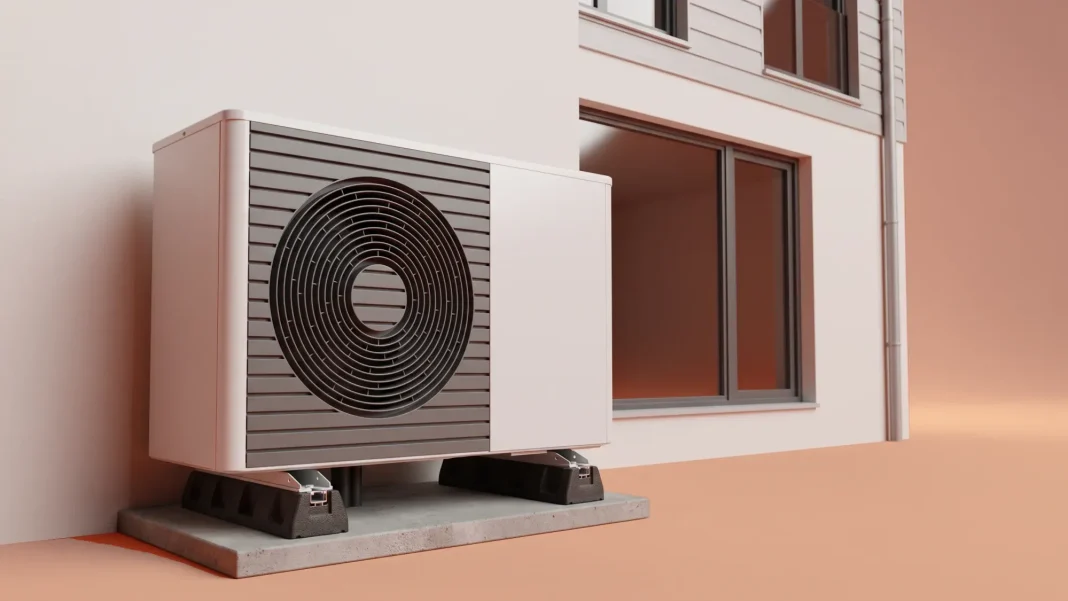
Air source heat pumps are one of the most commonly considered options under the scheme. They absorb heat from the outside air and transfer it into your home.
They can work well for many properties, but homeowners should understand that they do not operate in exactly the same way as a traditional boiler.
The efficiency of the system depends on how well the property holds heat. Homes with good insulation and suitable heating controls are more likely to achieve better results.
Before installation, an experienced installer will usually assess whether your home can support this type of heating.
When Could A Ground Source Heat Pump Be A Better Choice?
Ground source heat pumps collect heat from underground rather than from the air. They can provide reliable performance because underground temperatures remain more stable throughout the year.
However, they require suitable space for ground loops or related installation work. This makes them more practical for some properties than others.
A homeowner with available land may find this option worth considering, while a property with limited outdoor space may need a different approach.
The decision should always consider the practical requirements of the home rather than choosing a system based only on potential benefits.
Do Biomass Boilers Qualify For Support?
Biomass boilers can qualify in specific situations, but they are not suitable for every household.
These systems use renewable fuel sources to generate heat. They may be considered for certain properties, particularly where other renewable heating options are less practical.
Homeowners should think about more than the installation itself. Fuel storage, ongoing maintenance, and local availability of suitable fuel are important factors that can affect whether this option works well.
A detailed conversation with an installer can help determine whether a biomass boiler makes sense for your property.
Which Heating Systems Are Not Covered?
The scheme does not provide funding for standard gas boiler replacements or other traditional fossil fuel heating systems.
If your current boiler needs replacing, the scheme encourages homeowners to consider renewable alternatives rather than installing another conventional boiler.
This does not mean every home must immediately switch systems. Some properties may need preparation work before renewable heating becomes a realistic option.
Understanding your home’s condition can help you decide the right time to upgrade.
What Requirements Must The Installation Meet?
Having a qualifying heating system is only one part of the process. The complete installation must follow the scheme rules.
Homeowners should consider:
• Whether the chosen system is approved
• Whether the installer meets the required standards
• Whether the property meets the scheme conditions
• Whether the replacement heating system is suitable
A professional assessment can confirm whether your planned upgrade meets the necessary requirements before work begins.
This step helps prevent situations where homeowners invest time and money into a system that does not qualify.
How Do You Decide Which System Is Right?
There is no universal heating solution for every property. A suitable system depends on how your home is built and how your household uses energy.
Before making a decision, consider:
• Your home’s insulation performance
• Available installation space
• Current heating problems
• Your expected energy use
• Long-term plans for the property
A heating upgrade should improve comfort as well as efficiency. Choosing a system without considering these factors may lead to higher costs or disappointing results.
How Can You Apply For Support?
Once you have identified a suitable heating option, the next step is finding an approved installer who can assess your property.
The installer can explain whether your chosen system qualifies, provide a quotation, and manage the application process.
If your property is suitable and you are ready to explore funding options, you can apply for Boiler Upgrade Scheme grant through an approved professional who can support you throughout the process.
Final Thoughts
The Boiler Upgrade Scheme supports selected renewable heating systems, including air source heat pumps, ground source heat pumps, and certain biomass boilers.
Choosing the right system requires more than checking which options receive funding. Your property, lifestyle, and heating requirements should guide the decision.
Taking time to understand your options and speaking with a qualified installer can help you choose a heating solution that provides long-term value.