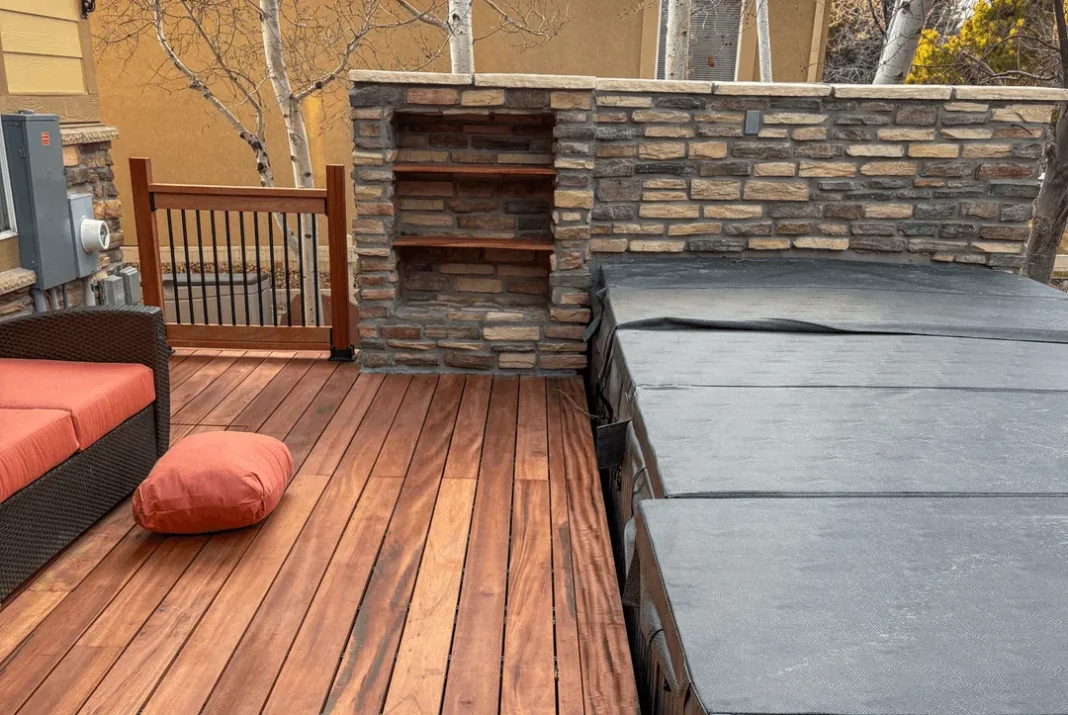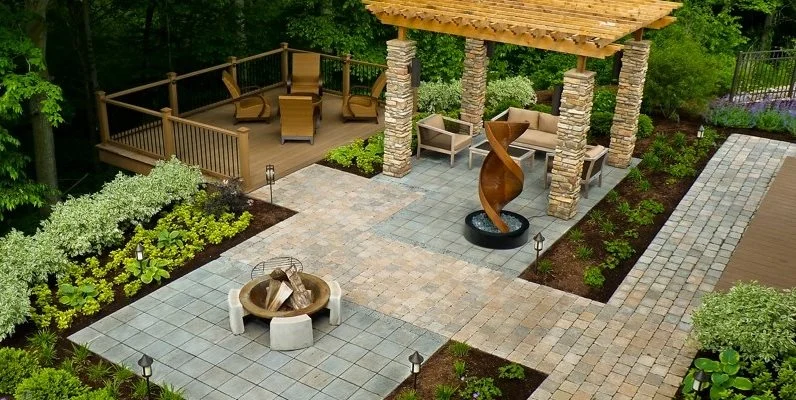

A sloped backyard can make it difficult to create a comfortable and functional outdoor environment. Uneven ground, soil movement, and poor drainage may limit the space available for patios, planting areas, walkways, and other landscape features. A properly planned retaining wall can help manage these challenges while improving the overall appearance and usability of a property.
Vicente Outdoor Living provides custom outdoor living and retaining wall solutions for homeowners in Tyler, Texas, and surrounding East Texas communities. Each project should account for the property’s layout, elevation changes, drainage requirements, and preferred style. With careful planning and suitable construction methods, a retaining wall can become both a practical landscape feature and an attractive part of a backyard design.
Understanding The Purpose Of Retaining Walls
Retaining walls are designed to hold back soil and manage changes in ground elevation. They can help organize sloped yards, define garden areas, and create more level sections for outdoor activities. Depending on the site, a wall may also support the layout of a patio, walkway, lawn, or landscaped area while giving the property a more structured appearance.
Choosing the right retaining wall contractor Tyler TX homeowners can rely on starts with understanding the conditions around the property. Wall height, soil characteristics, nearby structures, water movement, and the intended use of the surrounding space all influence the design. Considering these details early can help establish a solution that meets the project’s practical needs without overlooking its appearance.
Planning A Retaining Wall Around Your Property
Every property presents different challenges, so retaining wall construction should begin with a site assessment. A contractor needs to consider the existing grade, the length and height of the proposed wall, access for equipment, and the relationship between the wall and nearby features. These details help determine the appropriate construction method and identify issues that should be addressed before excavation begins.
Homeowners should also think about what they want the finished area to accomplish. Some may need to stabilize a sloped section, while others want raised planting beds or more usable outdoor space. Discussing these goals before construction helps create a design that fits the property and can work alongside future improvements.
Exploring Different Retaining Wall Materials
The material used for a retaining wall affects its appearance, construction requirements, and relationship with the surrounding landscape. Modular blocks can provide a consistent, structured finish, while natural boulders may blend more organically with trees, planting beds, and other natural elements. Limestone blocks can offer another option for homeowners who prefer a distinctive stone appearance.
Common retaining wall options include:
- Segmental retaining walls made with modular blocks
- Natural boulder walls for an organic landscape style
- Limestone block walls for a substantial stone finish
- Terraced planter walls for properties with multiple elevations
- Walls incorporating steps, caps, or seating ledges
The best choice depends on the property’s conditions, the required wall design, and the homeowner’s preferences. Coordinating colors, textures, and finishes with existing patios, pathways, and exterior materials can help the completed installation feel like a natural part of the landscape.
Managing Slopes And Uneven Ground
Sloped yards can be challenging to use when much of the available area is difficult to access or maintain. A retaining wall can help organize elevation changes and, where site conditions permit, create more defined sections for landscaping, pathways, seating, or outdoor recreation. This can make the property feel more organized while allowing homeowners to consider uses that were previously impractical.
For properties with larger elevation changes, terraced walls may provide a useful design option. Instead of relying on one continuous wall, several levels can create a stepped landscape with separate planting or activity areas. The layout must account for drainage, spacing, stability, and access so that each level works with the rest of the yard.
Why Drainage Matters In Retaining Wall Construction
Water management is one of the most important considerations in a retaining wall project. When water accumulates behind a wall, the resulting pressure can place additional stress on the structure. Rainfall and surface runoff can also affect nearby soil, landscaping, and foundations if water is not directed appropriately.
A suitable drainage plan may include clean gravel backfill, perforated drainpipe, and designated outlets or weep paths, depending on the wall system and site conditions. Proper grading can also help guide surface water away from vulnerable areas. Vicente Outdoor Living considers drainage as part of its retaining wall approach because the visible wall is only one part of a successful installation.
Building A Stable Base For Long-Term Performance
A retaining wall needs a properly prepared foundation to support the materials above it. Excavation, leveling, and base compaction help create a stable starting point, while the appropriate base design depends on the wall type, soil conditions, height, and engineering requirements. Poor preparation can contribute to movement, uneven sections, or other problems after installation.
The construction process should also address suitable backfill and reinforcement where required. Some retaining wall systems use geogrid reinforcement to improve stability, particularly when project conditions call for additional support. A qualified contractor can evaluate these requirements and determine whether engineering, permits, or inspections are necessary before work moves forward.
Integrating Retaining Walls With Landscape Design
A retaining wall can contribute to the visual character of a backyard rather than functioning as an isolated structure. Planting beds, decorative stone, trees, lighting, and pathways can soften the surrounding area and create a more connected design. Selecting complementary materials helps the wall fit naturally with the home’s architecture and existing outdoor features.
Homeowners may also coordinate retaining walls with other improvements, such as:
- Patios and outdoor seating areas
- Garden beds and landscape planting
- Steps and connecting walkways
- Pergolas and covered gathering spaces
- Artificial turf and recreational areas
When these features are planned together, their placement can support comfortable movement throughout the yard. The result can be a more cohesive outdoor environment where structural requirements and everyday activities are considered as parts of one overall design.
Creating More Usable Outdoor Space
An uneven yard may contain areas that are difficult to use for dining, relaxing, or entertaining. A carefully designed retaining wall can sometimes create a more level section suitable for a patio, garden, or other outdoor feature. The amount of usable space that can be gained depends on the property’s size, grade, drainage, and structural requirements.
A retaining wall can also help separate different functions within the same backyard. For example, a raised planting area may sit beside a lower lawn, or a patio may be positioned above a landscaped section. Thoughtful transitions between these areas can make the layout easier to navigate while helping each part of the property serve a clear purpose.
Choosing A Retaining Wall Style That Complements Your Home
The appearance of a retaining wall should complement the home and surrounding landscape. Clean-lined block walls may suit a more contemporary property, while natural stone can work well with landscapes that emphasize organic textures. The right finish depends on the home’s exterior materials, the size of the yard, and the overall design direction.
Proportion is another important consideration. A wall that is too visually dominant may overwhelm a small garden, while an unsuitable finish may appear disconnected from nearby hardscaping. Considering wall height, color, texture, caps, steps, and planting together can help produce a balanced appearance that supports the property’s overall style.
Combining Retaining Walls With Outdoor Living Features
Retaining walls can be incorporated into larger outdoor living projects to help organize different areas of a backyard. They may define the edge of a patio, create raised spaces for planting, or establish a transition between an entertaining area and a lower part of the property. When planned alongside other improvements, the wall can contribute to both the layout and the finished appearance.
Vicente Outdoor Living offers retaining wall services as part of a broader design-build approach to outdoor spaces. Homeowners planning multiple improvements can consider walls alongside patios, pergolas, walkways, landscaping, artificial turf, and other features. Coordinating these elements can help avoid disconnected layouts and create a more consistent design throughout the property.
Understanding The Retaining Wall Installation Process
A well-organized installation begins with evaluating the site and discussing the homeowner’s objectives. The planning stage may include measuring the proposed wall, reviewing grade changes, considering drainage, selecting materials, and determining whether additional design or engineering work is needed. A detailed proposal can then clarify the project’s scope and expected construction steps.
Once the plan is approved, the work may proceed through excavation, base preparation, wall installation, reinforcement where necessary, drainage, backfilling, and final grading. The exact process varies with the wall system and site requirements. Clear communication throughout the project helps homeowners understand the work being completed and how the finished wall will connect with the surrounding landscape.
Maintaining A Retaining Wall And Surrounding Landscape
Regular observation can help homeowners identify changes around a retaining wall before they become more serious concerns. Visible leaning, unusual movement, significant cracking, soil loss, or persistent water accumulation may indicate that the structure needs professional assessment. These signs should not be ignored, particularly when the wall supports a slope or sits near a building or frequently used area.
Keeping drainage outlets clear and managing runoff around the wall can also help protect the surrounding landscape. Plants should be selected and positioned appropriately, while changes to the grade behind the wall should be approached carefully. Maintenance needs depend on the material, wall system, drainage arrangement, and local conditions, so homeowners should follow the recommendations provided for their installation.
Working With Vicente Outdoor Living In Tyler
Selecting a contractor involves more than comparing the appearance of completed walls. Homeowners should understand the proposed construction method, drainage plan, materials, project scope, and any engineering or permit requirements. Asking questions about site preparation, reinforcement, scheduling, and the installation process can help clarify what the project involves before construction begins.
Vicente Outdoor Living serves Tyler and surrounding East Texas communities, including areas such as Whitehouse, Bullard, Chandler, and Flint. Its outdoor living and hardscaping services allow retaining walls to be considered alongside other landscape improvements when appropriate. A site assessment and detailed proposal provide a starting point for discussing the property’s conditions, the desired outcome, and the next steps.
Conclusion
A retaining wall can help manage elevation changes, organize a sloped yard, and create opportunities for more functional outdoor spaces. Its success depends on careful planning, a suitable foundation, effective drainage, appropriate materials, and construction methods matched to the property. When these elements are considered together, a retaining wall can contribute to both landscape performance and visual appeal.
For homeowners seeking a retaining wall contractor Tyler TX, Vicente Outdoor Living offers retaining wall installation as part of its broader outdoor design and build services. By evaluating site conditions and coordinating the wall with the surrounding landscape, homeowners can work toward an outdoor environment that is practical, attractive, and suited to their property’s needs.