
Finding a hyperbaric oxygen chamber for sale involves more than comparing product prices or choosing a model based on its appearance. Buyers should understand the differences between chamber designs, pressure ratings, oxygen delivery systems, and safety features before making a purchase. Whether researching equipment for a home setting or a professional facility, reviewing the manufacturer’s specifications and intended use helps establish realistic expectations and supports a more informed decision.
Warrior Willpower helps buyers explore hyperbaric chamber options by highlighting important product features and purchasing considerations. From compact soft-shell designs to larger rigid chambers, different configurations serve different purposes and come with specific requirements. Understanding these differences can help customers compare available options, evaluate the complete equipment package, and determine which questions to ask a supplier before committing to a purchase.
Understanding Hyperbaric Oxygen Chambers
A hyperbaric chamber is an enclosed system designed to operate at pressure above normal atmospheric pressure. Medical hyperbaric oxygen therapy involves breathing oxygen under controlled conditions and is used for certain specific medical indications. Chamber designs vary in construction, pressure capabilities, gas delivery, and operating procedures, so buyers should understand the purpose and limitations of each model before considering a purchase.
Not every chamber advertised for personal use is equivalent to equipment used in a medical facility. Products may differ in regulatory status, operating specifications, and the conditions for which they are intended. Before selecting a model, review the official documentation and verify its suitability for the proposed application. Medical decisions should be made with qualified healthcare professionals rather than based solely on product descriptions or promotional claims.
Exploring Different Chamber Designs
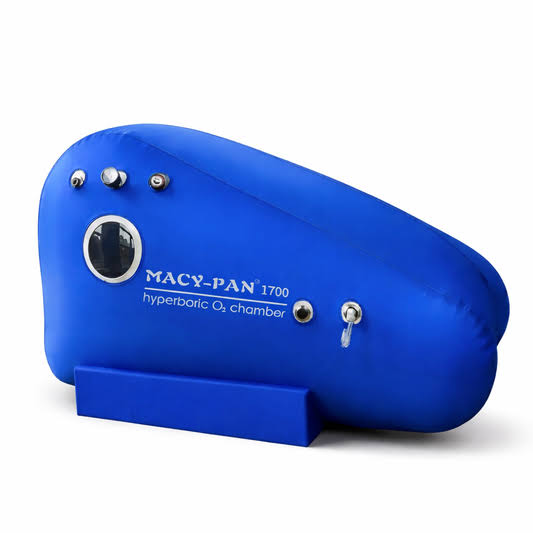
Soft-shell chambers generally use flexible materials and may be designed to deflate or fold for storage. Their construction can appeal to people looking for equipment that occupies less storage space when not in use. However, buyers should carefully evaluate the material quality, closure system, pressure limits, valves, and maintenance requirements. A flexible design does not remove the need for proper installation, regular inspection, and adherence to operating instructions.
Hard-shell chambers feature a more rigid structure and may have different dimensions, pressure capabilities, and installation requirements. Some are designed for specialized clinical environments, where additional infrastructure and trained personnel may be necessary. When comparing soft-shell and hard-shell products, consider the intended application, available space, technical specifications, and applicable safety requirements. Neither design should be considered automatically superior without evaluating the specific model and its documented capabilities.
Choosing the Appropriate Chamber Size
Chamber dimensions can influence comfort, accessibility, storage, and the amount of space needed for supporting equipment. Lying chambers provide a horizontal arrangement, while sitting models offer a more upright interior. Buyers should check the usable interior dimensions, entry opening, and recommended user capacity to determine whether the configuration meets their practical requirements.
Before ordering, measure the intended installation area and consider how the chamber will enter the building. Hallways, doorways, stairs, and tight corners may create delivery challenges, even when the chamber itself appears compact. Remember to account for compressors, oxygen-related equipment, hoses, electrical connections, and maintenance access. Following the manufacturer’s placement and environmental instructions is essential when preparing the installation space.
Comparing Pressure Ratings and Technical Specifications
Pressure ratings are among the main specifications buyers encounter when researching a hyperbaric oxygen chamber for sale. Some products are advertised with ratings such as 1.3 ATA, 1.4 ATA, or 1.5 ATA. ATA stands for atmospheres absolute, a measurement of pressure relative to a standard atmosphere. Buyers should confirm the exact operating range, measurement method, and model specifications in the manufacturer’s documentation.
A higher pressure rating does not automatically establish that a chamber is safer, better constructed, or more effective for a medical purpose. Suitability depends on the equipment design, intended use, oxygen delivery method, and clinical circumstances. Avoid choosing a product based on a single specification. If the intended application involves treating a health condition, consult a qualified healthcare professional and verify the equipment’s regulatory status before proceeding.
Reviewing Oxygen Delivery and Included Equipment
Chamber packages may contain different combinations of supporting equipment. Depending on the model, a package may include an air compressor, oxygen concentrator, cooling equipment, gauges, connecting hoses, filters, and other accessories. Because configurations vary, buyers should request an itemized description of the complete system instead of assuming that every advertised chamber includes the same components.
It is equally important to understand the difference between the chamber’s pressurization system and its oxygen delivery arrangement. These functions are not interchangeable, and products have specific operating requirements. Ask the manufacturer to explain how the system works, which accessories are included, and what maintenance each component requires. Use only approved equipment and follow the instructions supplied for the exact model being considered.
Evaluating Essential Safety Features
Safety should be a priority when purchasing equipment that operates under pressure. Depending on the design, relevant features may include pressure gauges, controlled inflation and deflation systems, pressure-relief mechanisms, emergency procedures, and communication arrangements. Buyers should ask the supplier for clear documentation explaining these features, their operating limits, and the inspections required to keep them functioning properly.
Oxygen can significantly increase fire risk because it allows some materials to ignite more easily and burn more intensely. Follow all manufacturer instructions concerning oxygen handling, ignition sources, electrical equipment, cleaning, and maintenance. Never smoke near oxygen-related equipment or bypass safety mechanisms. Avoid operating a chamber with damaged components, missing instructions, or uncertain maintenance history. Safety documentation and proper training should be evaluated before purchase.
Understanding Pricing and Total Ownership Costs
The price of a hyperbaric chamber varies according to its design, size, construction, pressure rating, supporting equipment, and manufacturer. Some listings advertise the chamber alone, while others include compressors, oxygen equipment, cooling systems, and accessories. These differences can make two products with similar descriptions difficult to compare based on their initial prices alone.
Before making a financial commitment, request a written quotation that identifies all included components and additional charges. Consider shipping, installation, maintenance, replacement parts, warranty coverage, and technical support when calculating the overall cost. A less expensive model may require additional purchases, while a higher-priced package may include equipment or services that are useful for the intended setup. Compare the complete offer rather than relying on the headline price.
Checking the Manufacturer and Warranty
A dependable supplier should provide clear specifications, operating instructions, warranty terms, and information about available technical support. Buyers should also ask about product testing, maintenance schedules, replacement components, and the standards or regulatory requirements applicable to the equipment’s intended market. Written documentation makes it easier to verify important details and identify unanswered questions before placing an order.
Customer reviews may help prospective buyers understand experiences involving delivery, assembly, product comfort, and customer service. However, personal testimonials cannot independently establish medical effectiveness or guarantee that a product is suitable for every user. Look for detailed feedback from multiple sources and distinguish user experiences from verified technical information. Be cautious of sellers who promise guaranteed health outcomes or make unsupported claims about treating a wide range of conditions.
Preparing for Delivery and Installation
Preparing the installation area before delivery can prevent avoidable problems. Check the manufacturer’s requirements for room dimensions, ventilation, temperature, electrical supply, floor suitability, and access around the equipment. Confirm that the delivery route can accommodate the packaged chamber and supporting components. If professional installation is required, clarify who will arrange it and whether the cost is included in the purchase agreement.
Once the equipment arrives, inspect the shipment and compare its contents with the order documentation. Read the complete manual before attempting assembly or operation, and contact the supplier if components are damaged or missing. Do not use the chamber until the required installation and safety checks have been completed. Keep maintenance records, follow the recommended inspection schedule, and seek qualified technical assistance whenever a problem arises.
Questions to Ask Before Buying
Before selecting a hyperbaric oxygen chamber for sale, prepare questions that address the product’s specifications, intended use, and ongoing support. Request confirmation of the model number, operating pressure, chamber dimensions, included accessories, warranty coverage, and relevant regulatory documentation. Ask whether training, maintenance services, and replacement parts are available throughout the expected service life of the equipment.
Use this checklist when comparing suppliers:
- Product details: Confirm the model, construction, operating pressure, dimensions, and intended use.
- Equipment package: Identify all included accessories and any additional purchases required.
- Safety documentation: Request operating instructions, inspection requirements, and applicable compliance records.
- After-sales support: Check warranty terms, technical assistance, replacement parts, and maintenance availability.
Written answers make it easier to compare offers accurately and reduce the chance of unexpected expenses after delivery.
Medical Considerations Before Purchase
Anyone considering hyperbaric oxygen therapy for a health concern should speak with a qualified healthcare professional before purchasing or using a chamber. The therapy is used for certain specific medical indications, but it is not an established solution for every illness, injury, or general wellness goal. A healthcare professional can discuss available evidence, potential risks, alternative treatments, and whether supervised therapy is appropriate for the individual’s circumstances.
Pressure changes and oxygen exposure can create risks that require appropriate assessment. Certain lung conditions, ear or sinus problems, and other medical circumstances may call for particular caution. Do not replace prescribed care with an unverified treatment or delay medical attention because of advertising claims. Verify that the proposed equipment is suitable for its intended application and that its use follows appropriate professional guidance.
Exploring Chamber Options with Warrior Willpower
Warrior Willpower offers a starting point for buyers researching hyperbaric chamber configurations and comparing the features that matter before making a decision. Reviewing chamber construction, dimensions, pressure specifications, supporting equipment, safety controls, and maintenance requirements can help customers understand how different models compare. This approach also helps buyers identify which features are essential for their intended setup.
Before placing an order, take time to examine the complete product information and clarify any uncertainty with the supplier. Confirm the package contents, warranty, installation requirements, and ongoing service arrangements in writing. Give greater weight to verified specifications and transparent support than to broad promotional statements. Careful research can help buyers make a more informed purchasing decision while keeping safety and realistic expectations at the center of the process.
Conclusion
Finding the right hyperbaric oxygen chamber for sale requires careful consideration of product design, pressure ratings, oxygen delivery, safety features, total cost, and manufacturer support. Buyers should compare complete equipment packages, review the relevant documentation, and account for installation and long-term maintenance rather than focusing only on the initial price.
Warrior Willpower encourages customers to approach the purchasing process with clear questions and realistic expectations. By reviewing specifications, verifying applicable safety and regulatory requirements, and seeking qualified medical guidance when necessary, buyers can better evaluate their options. The most appropriate choice is one that matches the intended application, provides clear operating instructions, and supports responsible use.