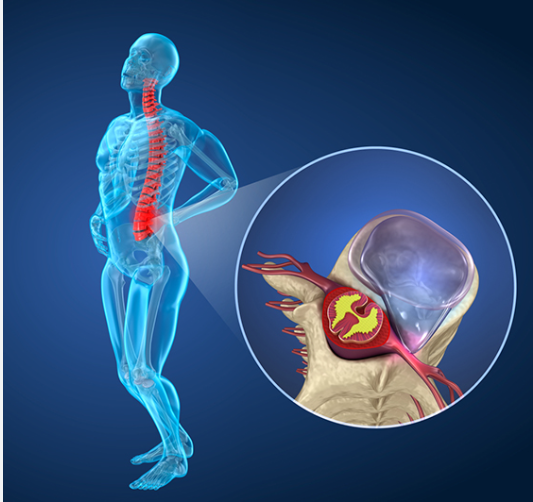

Lumbar Radiculopathy, more commonly known as a “pinched nerve in your lower back”, is when the nerves of your lumbar spine become irritated or compressed, causing symptoms of pain, numbness, tingling or weakness radiating down your leg. Fortunately, with proper treatment, most people with Lumbar Radiculopathy will recover without the need for surgery. Below is a simple guide to the most effective methods for treating lumbar radiculopathy.
1. Rest and Modify Activities
The first thing you need to do is to stop doing anything that makes your pain worse. You do not have to stay in bed, but you should avoid heavy lifting, twisting and sitting for long periods of time. The best way to alleviate stiffness and increase blood flow to the affected area is light walking and gentle movements.
2. Heat and cold treatments
Heat relaxes your muscles, while cold Tylenol reduces swelling. By using either of these methods for 15 to 20 minutes each, several times during the day, you may get instant relief from your lower back pain or radiating pain. But for more information, make sure to consult with the doctor for nerves and bones.
3. Physical Therapy
Dealing with lower back pain can be frustrating, but working with a physical therapist can be one of the more effective methods. Not only will a therapist be able to help relieve pain by utilising targeted exercises and stretches, but he/she will also:
- Reduce pressure on the nerve
- Increase your level of flexibility
- Improve your overall strength in the back/core region
- Help you develop better postural alignment
4. Epidural Steroid Injection
If you continue to have pain despite medical treatment and therapy, you may benefit from an epidural steroid injection. The epidural steroid injection for lumbar radiculopathy treatment may decrease inflammation around the irritated nerve root and generally gives long-term relief, enabling the individual to return to normal activities sooner.
5. Chiropractic Care
People suffering from lumbar radiculopathy can benefit from adjustments made by qualified chiropractors. This type of adjustment relieves pressure on the affected nerve(s) and helps improve the spinal alignment. You must choose a chiropractor who has experience in chiropractic adjustments and is following the recommendation of your physician.
6. When is surgery necessary?
Surgery is considered when you do not respond to conservative treatments, or have severe incapacitating symptoms such as weakness, loss of bowel/bladder control, or intractable severe pain. A microdiscectomy or laminectomy procedure helps remove pressure from the nerve.
Final thoughts
The majority of patients with lumbar radiculopathy recover well with a combination of rest, physical therapy, medications and lifestyle changes. But if you’re struggling, make sure to choose the best doctor for lumbar radiculopathy treatment. Without a doubt, early intervention and proper guidance can make a great deal of difference in regaining mobility and reducing pain.