
Introduction: Daily HBOT — A Question of Balance
Hyperbaric Oxygen Therapy (HBOT) has grown in popularity as a non-invasive treatment for a wide range of conditions — from wound healing and decompression sickness to neurological disorders and chronic fatigue. But with increased interest comes a critical question: Can you use HBOT every day?
In this comprehensive guide, we examine the optimal frequency for hyperbaric oxygen therapy, drawing on scientific studies, expert opinions, and patient outcomes. If you’re considering daily use, understanding the limits and potential side effects is crucial to maximize results without compromising your health.
What Is HBOT and How Does It Work?
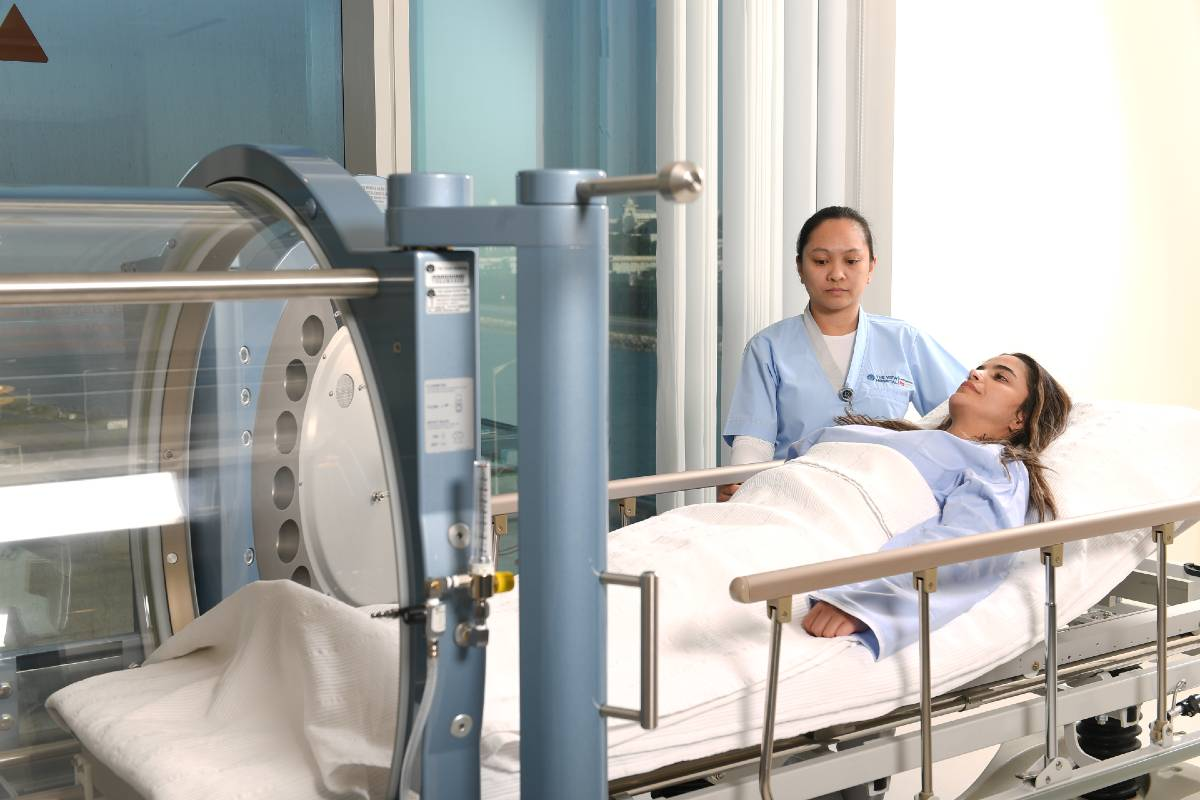
HBOT involves breathing 100% oxygen in a pressurized chamber, typically at 1.5 to 3 times the normal atmospheric pressure. This process increases oxygen concentration in the bloodstream, enhancing tissue repair, reducing inflammation, and promoting overall healing.
According to Johns Hopkins Medicine, this treatment can be used adjunctively for conditions such as:
- Diabetic foot ulcers
- Carbon monoxide poisoning
- Radiation injuries
- Traumatic brain injuries
Is Daily HBOT Safe? What the Science Says
Understanding the Therapeutic Window
In medical HBOT protocols, frequency depends heavily on the underlying condition being treated. While some patients undergo therapy 5–6 days a week for several weeks, daily use should always be carefully monitored by professionals.
A study published by NIH highlights that mild HBOT can be administered daily for neurocognitive and wellness benefits, provided it’s done under guided supervision.
“Repetitive exposure to hyperbaric oxygen has shown positive effects on tissue regeneration without increasing oxidative stress when administered within therapeutic limits.”
– Journal of Clinical Medicine
Recommended Frequency by Condition
| Condition | Suggested HBOT Frequency |
| Diabetic ulcers | 5 times/week for 6–8 weeks |
| Radiation tissue damage | Daily for 4–6 weeks |
| Neurological rehab (e.g., stroke) | Daily or alternate days |
| Wellness/anti-aging | 2–3 times/week (non-clinical) |
Important: While daily sessions are common in medical use, they are typically limited to 20–40 sessions per cycle, followed by a rest period to prevent oxygen toxicity.
Potential Risks of Daily HBOT
1. Oxygen Toxicity
Breathing pure oxygen at high pressure over extended periods can lead to oxygen toxicity, particularly affecting the lungs and central nervous system. Symptoms may include:
- Nausea
- Vision changes
- Seizures (in rare cases)
- Pulmonary irritation
Refer to the CDC’s official guidance for exposure thresholds and safe durations.
2. Barotrauma
Frequent exposure to pressure changes can result in ear barotrauma or sinus discomfort, particularly if you have a cold or an ear infection. Safe decompression practices and a slow pressurization rate help reduce this risk.
3. Claustrophobia and Fatigue
Daily HBOT can also cause psychological fatigue, particularly for those using smaller monoplace chambers. For this reason, some clinics recommend rest days between sessions.
Can You Do HBOT Daily at Home?
The rise of soft-shell home chambers has made it easier to consider daily HBOT for wellness, especially for athletes or biohackers. These units typically operate at lower pressures (1.3–1.5 ATA) and may not provide the same therapeutic depth as medical-grade units, but they do offer:
- Enhanced energy
- Reduced muscle soreness
- Improved sleep and cognitive focus
However, even at home, overuse should be avoided. Following a 5-day-on, 2-day-off routine is often advised by wellness clinics such as OxyHealth, a leading manufacturer of personal HBOT chambers.
Expert Opinions: What Professionals Recommend
Dr. Paul Harch, HBOT Researcher
“Daily HBOT is viable for certain patients, but we emphasize careful monitoring. The body needs breaks to metabolize the oxidative byproducts.”
International Hyperbaric Association (IHA)
According to the IHA guidelines, the recommended protocol is to limit continuous therapy to 30–40 sessions, even for chronic conditions, followed by an evaluation period before continuing.
Who Should Avoid Daily HBOT?
Certain individuals should not undergo daily HBOT without medical clearance:
- Those with untreated pneumothorax
- Individuals on certain chemotherapy drugs
- Patients with upper respiratory infections
- People prone to seizures or claustrophobia
For more information on contraindications, visit the FDA’s HBOT guidance page.
Creating a Safe Weekly HBOT Schedule
General Wellness Protocol
For those using HBOT to enhance general wellness or aid athletic recovery, a 3-day-a-week plan often yields sustainable results:
- Monday, Wednesday, Friday: 60–90 minute sessions
- Weekend: Rest or active recovery
Clinical Recovery Protocol
For conditions such as chronic wounds, TBI, or post-stroke rehabilitation, a tighter schedule is common:
- Monday to Friday: Daily 90-minute sessions
- Saturday–Sunday: Off (to allow tissue recovery)
Work closely with your hyperbaric technician or physician to customize the plan based on your goals and health history.
How to Monitor Your HBOT Progress
To avoid overexposure, track your therapy journey through:
- Oxygen saturation levels (SpO₂)
- Cognitive and energy logs
- Biomarker tracking (if available)
- Periodic medical assessments
You can also use wellness tracking tools like Oura Ring or WHOOP to observe sleep and recovery trends throughout your HBOT cycle.

Conclusion: Finding the Right HBOT Balance
So, can you use hyperbaric oxygen therapy every day?
Yes — but with caution. Clinical evidence supports daily HBOT in certain medical contexts, especially under guided supervision. However, for general wellness, spacing out sessions and monitoring for signs of oxygen overload ensures sustainable, long-term benefits.
The key lies in balance, guidance, and tracking outcomes. Consult a licensed professional before committing to daily therapy, and always remain mindful of how your body responds.