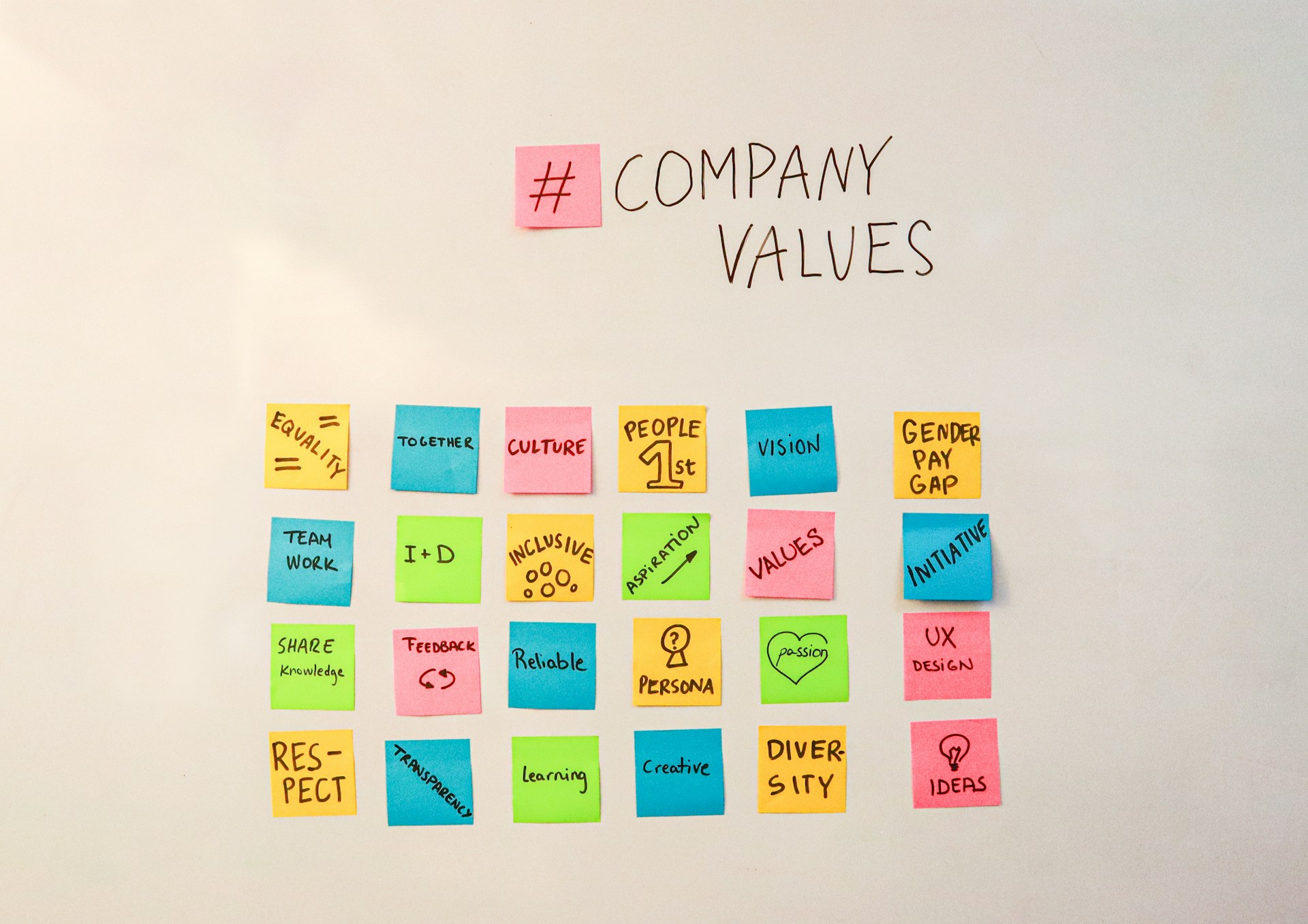

Corporate culture drives how employees speak, act, and seek help at work. When teams feel seen and safe, they ask for support earlier and recover with less fear.
Many employees live with mental health or substance use concerns, yet worry that a label could cost them trust or opportunity. That fear grows when silence or jokes pass as “normal.” A better path starts with culture. Leaders can set norms, peers can back one another, and policies can make help simple to find.
Small moves, repeated often, shift how a workplace talks about stress, therapy, relapse, and recovery. When the language softens, the stigma falls. That change invites more employee to reach out before a crisis. In line with corporate culture, built with care, turns from pressure to support. It does not demand perfection. It makes space for real life and steady progress.
Teams want clear signals. They need easy access to help and privacy they can trust. HR can publish options in plain words. Also, managers can check in with empathy, not judgment. Stories from respected staff can show that treatment is normal, recovery is possible, and growth continues.
Over time, a stronger norm forms: ask early, get care, keep going. A human tone, backed by policy, reduces fear and increases use of support. The corporate culture, when aligned with this goal, sparks both well‑being and performance. The gains are shared, and the message stays simple: you matter here.
Psychological Safety In Corporate Culture
Safety at work begins with how people talk and listen. Teams that invite questions and share mistakes learn faster and feel safer. In such spaces, mental health and recovery needs surface without blame. Moreover, leaders can model this by naming stress, asking open questions, and thanking people who speak up.
Accordingly, policies should match the tone. Short, plain statements cut through fear. Use words like “support,” “privacy,” and “choice.” Explain who can see what and when. States that help‑seeking will not hurt reviews or pay.
In short, training helps managers respond well. Simple steps—listen first, reflect back, point to resources—build trust. Furthermore, corporate culture grows stronger when every role reinforces the same message. In addtion, people then carry that message into daily actions. With trust in place, more staff reach out sooner, and stigma loses its hold.

Reducing Mental Health Stigma At Work
Language shapes norms, and norms shape behavior. Replace labels with person‑first phrasing that respects dignity. Share guides on how to talk about stress, cravings, relapse, and return to work.
Many managers can normalize care by blocking time on calendars for therapy or support groups. Staff see that signal and feel allowed to do the same. The corporate culture gains credibility when words and schedules align.
Access matters as much as tone. Post internal and community options where employees look every day. Include employee assistance lines, peer groups, and local clinics. A unique corporate culture works best when help is clear, near, and stigma‑free. With this setup, people find care faster and avoid silent struggles.
Leader Messaging And Corporate Culture
Firmly, leaders set tone when they speak with care and act with consistency. Short, honest messages work well. A note that says, “We support treatment and protect your privacy,” beats long memos.
Occasional town halls can feature a brief story from a volunteer who has used support. That story, shared with consent and respect, invites others to step forward. Moreover, leaders who block time for their own health reinforce the message without fanfare.
Listening must match speaking. Hold regular pulse checks and ask one or two simple questions about well‑being and access to help. Close the loop by sharing what you heard and what will change. Even small fixes—a clearer intranet page, simpler leave forms, or a named contact—show action.
As these moves repeat, corporate culture shifts from silence to care. The shift reduces stigma, encourages help‑seeking, and supports steady recovery. People feel safer to raise a hand, and teams build trust through practice.

Ally Networks And Peer Support In Corporate Culture
Peers ease stigma because they meet colleagues at eye level. A volunteer network can offer confidential chats, resource tips, and a warm handoff to formal care. Clear boundaries protect both sides. Volunteers are not therapists; they listen, validate, and guide. Training covers active listening, crisis signs, and referral paths. With a short script and an easy directory, peers feel ready to help.
Ally groups can host short sessions on stress skills, sleep hygiene, and substance risk. Simple practices—like five‑minute grounding or a craving delay method—give people tools they can use today. Events should be optional and brief, with recordings and private follow‑ups available.
Corporate culture gains depth when peers model acceptance in everyday moments. A kind check‑in after a tough week, a calendar note that respects support meetings, and a private “you’re not alone” message all add up. Over time, these actions turn help‑seeking into routine behavior. People then view support not as a last resort but as part of staying well.
Corporate Culture Flexible Policies
Flexible leave and schedules lower barriers to care. Short, simple forms reduce stress at the exact moment people feel most fragile. The manager who protect recovery time build trust that lasts. Clear guidance helps teams plan coverage without probing for details. By focusing on outcomes, not hours, the company shows faith in its employees.
Above all, benefits should map to real stages of care. Some employees need therapy once a week. Others need intensive programs or referrals to Medical detox Virginia. A few may return from leave and require stepped support. In addtion, corporate culture can support each stage by allowing phased returns, remote options, or adjusted workloads for a time.
Milestones help managers and staff align on goals without pressure. With these guardrails, performance can recover as health improves. The policy signals are simple: get care, protect your privacy, and come back when ready.
Building A Recovery Ready Workplace
A recovery ready workplace makes help easy to find and safe to use. Start with a single doorway on the intranet that lists support, contacts, and emergency steps. Keep navigation simple and mobile‑friendly. Add trusted partners, including local clinics and peer groups, and link to community providers like Fairland Recovery Center. Brief manager guides can sit on the same page for quick use.
All things considered, measurement keeps momentum. Track use of resources in aggregate, time to first contact, and satisfaction with support. Share trends, not identities, and show what will improve next. Small wins build belief, such as faster response times or clearer leave rules.
In addition, corporate culture strengthens when progress is visible and steady. As trust grows, employees ask for help earlier and return stronger. That pattern lifts morale and reduces turnover, which benefits teams and the business.
Conclusion
All in all, corporate culture sets the tone for how people seek care and how teams respond. With clear language, easy access, and flexible policies, corporate culture can cut stigma and support recovery at every stage. Take one step now: share resources, refresh policies, and invite a simple check‑in. Your action today can open a door for someone who needs it.
.