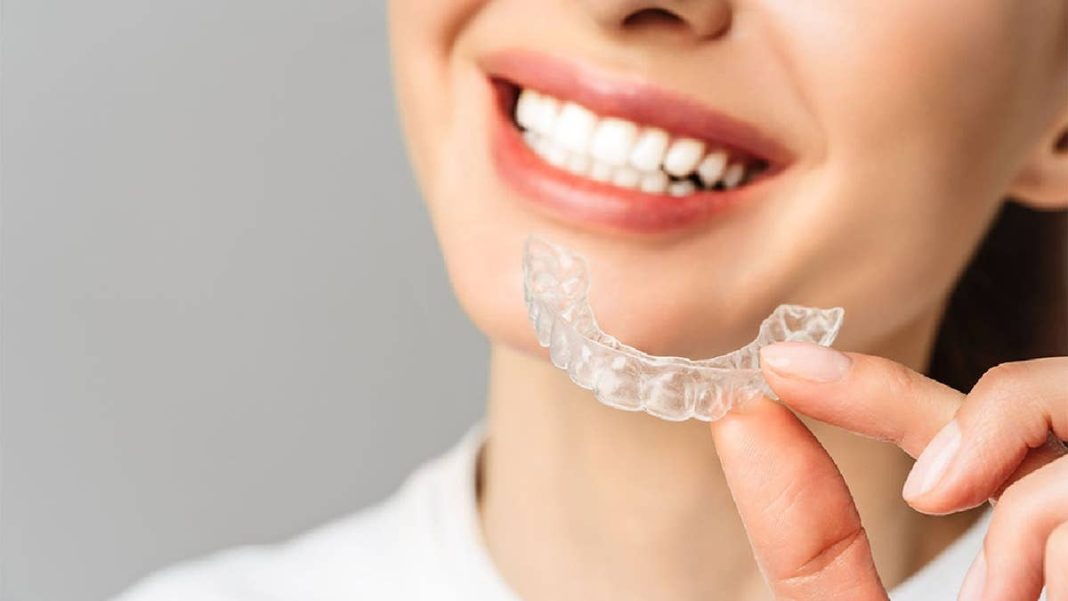

Starting orthodontic treatment is not only about getting a set of trays and wearing them every day. It is a process that gradually becomes part of a person’s routine, from the first fitting appointment to the final stage of keeping the teeth in their new positions. Understanding what happens at each stage can make the experience feel more predictable and manageable.
For many adults, discreet teeth-straightening options have become appealing because they can fit around work, family responsibilities, travel, and social commitments. However, successful treatment still depends on consistency, professional guidance, good oral hygiene, and realistic expectations.
The First Stage: Getting Used to the Treatment
The first few days are usually about adjustment. A new tray can feel unfamiliar against the teeth, and some people notice mild pressure as it begins guiding the teeth according to the treatment plan.
This sensation does not necessarily mean something is wrong. Orthodontic treatment works through controlled, gradual movement, so a certain amount of pressure can be expected when moving from one stage to another.
Speech may also feel slightly different at first. The tongue needs time to adapt to the presence of the trays, but most people become more comfortable after wearing them consistently.
What to Expect During the Initial Adjustment
The first stage may involve:
- Mild pressure or tightness around certain teeth
- Extra attention to cleaning the trays and teeth
- A short adjustment period for speaking
- Learning when to remove and replace the trays
- Developing a consistent wear routine
The important point is not to become discouraged by the first few days. Early adaptation is part of learning how the treatment works in everyday life.
Building Consistency Through Each Treatment Stage
Once the initial adjustment period passes, consistency becomes one of the most important parts of treatment. The trays are designed to work according to a planned sequence, with each stage contributing to the overall movement of the teeth.
Unlike a treatment that can simply be completed through occasional appointments, removable trays require active participation from the wearer. Forgetting to put them back after meals or leaving them out for long periods can interfere with the planned routine.
This is where clear aligners for teeth become a commitment rather than simply a cosmetic product. The better a person understands the treatment schedule and follows professional instructions, the easier it becomes to stay on track.
Why Each Tray Matters
Every stage of treatment has a purpose. Depending on the individual plan, trays may gradually address concerns such as:
- Crowding between teeth
- Small spaces
- Certain alignment problems
- Bite-related concerns
- Minor rotations or positioning issues
Not every case is suitable for the same approach, which is why professional assessment should come before treatment begins.
Moving From One Tray to the Next
One of the interesting parts of treatment is seeing how a sequence of small changes can contribute to a larger result. Instead of expecting a dramatic transformation immediately, patients generally progress through a series of planned stages.
Each new set of teeth aligners may feel slightly different because it is intended to continue the movement established by the previous stage. This gradual approach allows the treatment plan to be followed in a controlled manner.
It is also useful to keep previous trays when advised by the dental professional. They can sometimes be useful as a reference if there is a concern about fit or if the treatment team asks the patient to return to an earlier stage.
When Something Does Not Feel Right
A tray that feels different from the previous one is not automatically a problem. However, persistent discomfort, a tray that does not seat properly, sharp edges, or an unusual change in fit should not simply be ignored.
Patients should contact their dental provider when they notice a concern rather than attempting to modify the tray themselves.
The Role of Professional Monitoring
Even though removable orthodontic trays are designed to be convenient, professional supervision remains important. Treatment is based on an individualized assessment rather than a one-size-fits-all sequence.
During monitoring appointments, the dental team can evaluate whether the teeth are progressing as expected. If movement is slower or different from the original prediction, the treatment plan may need to be adjusted.
Modern orthodontic aligners can be supported by digital planning and progress monitoring, but technology does not eliminate the need for professional judgment. A digital simulation can show the intended direction of movement, while clinical evaluation helps determine how the teeth are actually responding.
Digital Planning and Real-World Progress
Treatment planning may involve digital scans, photographs, dental records, and computer-generated simulations. These tools help create a structured sequence before the trays are produced.
However, teeth do not always move exactly according to a digital prediction. Factors such as wear consistency, tooth shape, biological response, and individual treatment complexity can influence progress.
That is why regular monitoring can be valuable even when the trays themselves are simple to remove and replace.
Caring for Teeth While Treatment Continues
Good oral hygiene becomes particularly important when wearing removable trays. Food particles and plaque can become trapped against the teeth if the mouth is not cleaned properly before the trays are replaced.
The basic principle is simple: keep both the teeth and the trays clean.
A Practical Cleaning Routine
A useful routine can include:
- Brushing the teeth before putting the trays back in when possible
- Cleaning the trays according to professional instructions
- Rinsing trays when they are removed
- Maintaining regular dental checkups
- Avoiding habits that could damage or stain the trays
Patients should also follow the cleaning recommendations provided by their dental professional because different tray materials and systems may have specific care instructions.
When Treatment Needs Refinement
Not every treatment journey ends exactly where the original digital plan predicted. Sometimes additional refinement is needed to improve positioning or address teeth that have not moved as expected.
This does not necessarily mean the treatment has failed. Tooth movement is biological, and individual responses can vary.
Refinement may involve additional scans and another series of trays. The number of additional stages depends on the original case, treatment goals, and progress.
Why Patience Matters
It can be tempting to judge progress by looking in the mirror every day. Small changes, however, may be difficult to notice when they happen gradually.
Instead of focusing only on visible differences from one week to another, patients can pay attention to professional progress checks and follow the treatment schedule provided by their provider.
The Technical Side Behind a Better Fit
There is also a less visible part of treatment that patients may not think about: the technical work involved in producing the trays.
An aligner technician may work with digital treatment information and manufacturing specifications to help create trays according to the planned stages. Accuracy matters because each tray is intended to fit a particular stage of the treatment sequence.
This technical process connects digital planning with the physical product that patients wear. Good communication between the clinical and technical sides can help ensure that treatment requirements are properly understood.
The work of an aligner technician is therefore one part of a larger system involving dental professionals, digital planning, manufacturing, and patient cooperation.
Adjusting Expectations During the Middle of Treatment
The middle phase is often when the initial excitement has settled into a normal routine. At this point, consistency can become more important than motivation.
Patients may occasionally feel tired of wearing trays, especially when treatment takes several months. Having realistic expectations can make this stage easier.
Helpful Ways to Stay on Track
A few simple habits can make the process more manageable:
- Keep the aligner case in a regular location
- Use reminders when changing to a new tray
- Carry basic oral-care supplies when away from home
- Follow the recommended wear schedule
- Attend monitoring appointments as planned
These habits reduce the number of decisions a person has to make each day.
Understanding the Final Stage
Reaching the last planned tray can feel like the end of treatment, but it is better understood as a transition. Once the desired tooth positions have been achieved, attention turns toward maintaining those positions.
This is where ortho aligners and other modern orthodontic solutions differ from the idea of a quick cosmetic fix. Moving teeth is only one part of the process. Keeping them stable afterward is equally important.
The dental professional may recommend a retainer based on the patient’s individual needs. Retainers are designed to help reduce the natural tendency of teeth to shift after active orthodontic treatment.
What Happens After Active Movement?
The post-treatment phase may include:
- Receiving and learning how to use a retainer
- Following the recommended wearing schedule
- Attending follow-up appointments when required
- Continuing regular dental care
- Monitoring changes in tooth position
The exact retention plan can differ from person to person, so patients should follow the instructions provided by their dental professional.
Long-Term Care After Treatment
Long-term care is less about making major changes and more about maintaining good habits. Teeth can naturally shift over time, even after successful orthodontic treatment.
Regular dental visits remain important because orthodontic alignment does not replace general oral-health care. Brushing, cleaning between the teeth, professional examinations, and addressing dental problems early all remain part of maintaining a healthy smile.
Patients should also take care of their retainers. Proper cleaning and storage can help keep them in suitable condition for continued use.
Choosing a Treatment Provider Carefully
The quality of the treatment experience depends on more than the trays themselves. Patients should consider how their case will be assessed, how progress will be monitored, what happens if refinement is required, and what support is available after active treatment.
Companies and treatment systems may use different technologies and workflows. For example, Angel Aligner is one name associated with modern clear-aligner treatment, but patients should still evaluate any treatment option according to their own dental needs and professional advice.
Questions Worth Asking Before Starting
Before beginning treatment, it can be useful to ask:
- How will my teeth be assessed before treatment?
- How often will progress be reviewed?
- What happens if a tray does not fit correctly?
- Could refinements be required?
- What type of retention will be recommended afterward?
Clear answers can help patients understand the complete journey instead of focusing only on the appearance of the trays.
Making Long-Term Success More Manageable
The most successful treatment experience is rarely based on perfection every single day. It is built around consistency, communication, and responding appropriately when something changes.
Patients who understand the full process are often better prepared for the different stages. The first few days may involve adjustment, the middle period requires commitment, and the final stage focuses on maintaining the result.
For people considering clear aligners for teeth, thinking beyond the first tray can lead to better preparation. Treatment should be viewed as a complete journey that includes planning, active movement, monitoring, refinement when needed, and long-term retention.
Conclusion
Living with aligners is best understood as a gradual treatment journey rather than a single change to the appearance of the teeth. From the first fitting and early adjustment to tray changes, professional monitoring, possible refinements, and final retention, every stage has a role to play.
Good results depend on more than the technology behind the trays. Consistent wear, proper cleaning, professional supervision, realistic expectations, and long-term care all contribute to a smoother experience. By understanding the complete process from the beginning, patients can approach orthodontic treatment with greater confidence and a clearer idea of what to expect.
FAQs
How long does it take to get used to aligners?
Many people need a short adjustment period when they first begin wearing trays. Speech, pressure, and the feeling of having something new in the mouth can improve as the person becomes accustomed to the treatment.
Can I eat while wearing orthodontic aligners?
Most removable aligner systems are designed to be taken out while eating. Patients should follow the specific instructions given by their dental provider and clean their teeth before replacing the trays.
What should I do if an aligner no longer fits properly?
Do not force or reshape the tray yourself. Contact the dental provider so they can determine whether the issue is related to wear, fit, treatment progress, or another concern.
Are ortho aligners suitable for everyone?
No orthodontic treatment is suitable for every patient or every dental problem. A professional assessment is needed to determine whether removable aligners are appropriate for the individual’s alignment and oral-health needs.
Why might refinement trays be necessary?
Teeth can respond differently from a digital treatment prediction. Refinement trays may be recommended when additional movement is needed to reach the intended treatment result.
Is wearing a retainer necessary after treatment?
Retention is commonly recommended because teeth can naturally move after active orthodontic treatment. The type and schedule of retainer use should be determined by the treating dental professional.



