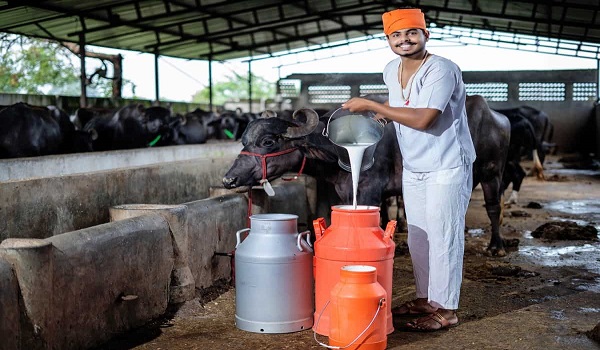

The dairy industry plays a vital role in the economy of many countries worldwide, supplying milk and other related products to billions of people. Operating a dairy farm is a demanding venture that often requires significant financial investment. Whether you’re looking to expand an existing operation, purchase new equipment, invest in livestock, or enhance infrastructure, funding is frequently a critical obstacle to overcome. Dairy farm loans provide the financial lifeline necessary for farmers to thrive in this competitive sector. Coupled with tools like a business loan calculator, understanding how these loans work becomes even easier and more efficient.
From the basics of dairy farm loans to leveraging a business loan calculator for smarter financial decisions, this comprehensive guide explores how dairy farmers can fulfill their ambitions without falling into financial distress.
Understanding Dairy Farm Loans
What Is a Dairy Farm Loan?
A dairy farm loan is a type of agricultural financing specifically designed for dairy farmers to meet the operational or capital-investment needs of their farm. Whether you’re a small-scale farmer or running a large dairy operation, these loans can assist with expenses such as:
- Livestock Purchasing: Buying high-quality breeds of cows and other animals for improved milk production.
- Farm Equipment: Acquiring tractors, milking machinery, cooling systems, or other essential equipment.
- Infrastructure Upgrades: Constructing barns, storage units, or silos to improve farm productivity.
- Operational Expenses: Covering day-to-day expenses such as employee wages, feed costs, or veterinary services.
- Expansion Projects: Scaling the farm by increasing land holdings or diversifying products.
Dairy farm loans are tailored to meet the unique financial needs of the agricultural sector. They can be acquired from traditional banks, credit unions, agricultural lending institutions, or even state-supported programs designed for farmers.
Eligibility Requirements for Dairy Farm Loans
The eligibility criteria for dairy farm loans largely depend on the lending institution. However, general requirements typically include:
– Credit Score: Lenders assess your credit history to ensure reliability in repaying the loan.
– Business Plan: A solid business plan showcasing how the funds will be utilized effectively to improve productivity and profitability.
– Farm Experience: Proof of experience and expertise in the dairy industry may be required.
– Collateral: Assets such as the farm property or equipment may need to be offered as collateral in the event of default.
– Income Proof: Demonstrating the farm’s revenue and profitability gives lenders confidence in your repayment ability.
Meeting these requirements improves your chances of loan approval and allows you to negotiate better interest rates and repayment terms.
How Dairy Farm Loans Work
When applying for a dairy farm loan, farmers often face decisions regarding loan type, interest rates, repayment conditions, and risk management. Here’s an overview of how dairy farm loans operate:
Types of Dairy Farm Loans
- Term Loans: These loans provide a fixed sum of money for farm-related investments, repaid over a defined term with interest. They are ideal for purchasing equipment or building permanent infrastructure.
- Operating Loans: Short-term loans aimed at meeting day-to-day expenses such as feed purchases or employee wages.
- Government Subsidized Loans: Many governments provide specialized loans with subsidized interest rates for farmers to promote the agricultural sector.
- Equipment Financing Loans: Designed specifically for acquiring dairy farm machinery and tools.
- Livestock Loans: Focused on acquiring high-producing cattle to increase milk output.
Farmers must choose the most suitable option based on their immediate needs and long-term financial goals.
Interest Rates and Repayment Terms
Interest rates can either be fixed or variable in nature. Fixed interest rates maintain consistency throughout the loan’s tenure, whereas variable rates fluctuate based on market conditions.
Repayment terms depend on the loan size, type, and the farmer’s overall financial standing. Typically, loan repayment occurs monthly, quarterly, or even annually, allowing farmers some flexibility in aligning payments with harvest and sales cycles.
Loan Disbursement and Usage
Once approved, the loan disbursement process begins. Farmers use the funds based on their predefined goals, such as acquiring livestock, upgrading infrastructure, or hiring skilled labor. Proper utilization of the loan ensures greater returns and enables the farmer to repay it efficiently.
The Role of a Business Loan Calculator
What Is a Business Loan Calculator?
A business loan calculator is a digital tool designed to help borrowers understand various aspects of their loan. It provides a clear picture of repayment schedules, monthly payment amounts, interest rates, and total costs associated with borrowing money.
Using a business loan calculator before applying for a dairy farm loan can significantly impact your financial readiness and decision-making. It allows you to estimate whether the loan amount and repayment terms are feasible given your farm’s income and expenses.
Key Features of a Business Loan Calculator
- Loan Amount Analysis: Input the desired loan amount to see how it influences monthly repayments.
- Interest Rate Insights: Compare fixed and variable interest rates to understand the cost implications.
- Repayment Tenure Evaluation: Determine how different loan periods impact repayment installments.
- Total Loan Payment: Calculate the total cost (principal + interest) you’ll pay over the loan’s lifetime.
- Amortization Schedule: Understand the breakdown of payments between principal and interest over the tenure.
These features make business loan calculators indispensable tools for crafting a financially successful dairy farming operation.
How to Use a Business Loan Calculator for Dairy Farm Loans
Steps to Calculate Repayments
Here’s a step-by-step guide to using a business loan calculator for dairy farm loans:
- Enter the Loan Amount: Decide the exact amount required for your dairy farm needs—buying animals, upgrading infrastructure, or covering operational costs.
- Input Interest Rate: Choose a realistic interest rate based on the lender’s offering.
- Select Loan Tenure: The loan tenure plays a critical role in determining monthly payments. A shorter tenure typically leads to higher monthly payments but lower overall interest costs.
- Analyze Monthly Payment: Review the monthly payment amount and decide whether it’s feasible given your farm’s income and expenses.
- Calculate Total Cost: Evaluate the total cost of the loan (principal + interest) to understand the long-term impact on your finances.
- View Amortization Schedule: Observe the repayment progress and plan finances accordingly.
Using a business loan calculator allows you to reduce financial uncertainties, plan repayments systematically, and ensure farm sustainability.
Benefits of Using a Business Loan Calculator
- Budget Planning: Predict monthly repayments to plan budgets effectively.
- Interest Savings: Analyze various interest rate options for cost savings.
- Informed Decision-Making: Choose the most favorable lending option.
- Risk Assessment: Understand the financial burden to avoid overborrowing.
- Scenario Testing: Test multiple loan scenarios to select what’s best for your farm.
Business loan calculators are available online and typically don’t require advanced technical knowledge, making them widely accessible for farmers.
Case Study: Dairy Farm Loan and Business Loan Calculator in Action
Imagine a small-scale dairy farmer planning to expand their operations by purchasing livestock and installing new cooling systems. The farmer estimates a loan requirement of $100,000. Using a business loan calculator, they proceed as follows:
- Loan Amount: $100,000
- Interest Rate: 5% fixed rate
- Loan Term: 5 years
Based on these inputs, the calculator estimates a monthly payment of approximately $1,900. Over the term, the farmer learns they’ll pay roughly $10,000 in interest, making the total repayment $110,000. By considering monthly cash flows and seasonal revenue, the farmer confidently applies for the loan.
In this example, the business loan calculator empowers the farmer with clarity about repayment obligations, enabling them to make financially responsible decisions.
Tips for Managing Dairy Farm Loans Effectively
- Build a Strong Business Plan: Showcase well-thought-out strategies for utilizing and repaying the loan.
- Choose the Right Lender: Compare lending institutions for favorable rates and repayment flexibility.
- Use a Business Loan Calculator: Test various loan scenarios and repayment terms before committing.
- Monitor Loan Usage: Ensure funds are allocated as planned for maximum productivity.
- Plan for Contingencies: Set aside emergency funds to handle unforeseen challenges.
Final Thoughts
A dairy farm loan can act as the cornerstone of growth for farmers striving to scale their operations and improve productivity. Understanding the intricacies of loan types, interest rates, repayment terms, and eligibility criteria ensures a smoother borrowing journey. Coupled with a business loan calculator, farmers gain access to precise financial forecasts that simplify decision-making. By planning carefully and utilizing these tools effectively, dairy farmers can secure the necessary funding to grow their farms sustainably without compromising financial security.
Whether it’s increasing herd size, upgrading equipment, or diversifying product offerings, the right dairy farm loan supported by a reliable business loan calculator can turn farming dreams into reality.