
Introduction
If you work with embroidery machines, you’ve likely faced this problem: your design is saved as a DST, EXP, or JEF file, but your Brother machine only reads PES. Converting between embroidery formats can be tricky – if done wrong, you might end up with misaligned stitches, gaps, or distorted designs. The good news? With the right PES file converter tools and techniques, you can transform your embroidery files without sacrificing quality. In this guide, we’ll cover the best methods for seamless DST-to-PES, EXP-to-PES, and JEF-to-PES conversions using reliable PES file converter solutions, along with expert tips to avoid common mistakes.
Why File Conversion Matters in Embroidery
Embroidery machines use specific file formats to read stitch instructions. Some of the most common formats include:
- DST (Tajima) – Popular for commercial machines
- EXP (Melco) – Used by Bernina and some industrial machines
- JEF (Janome) – Native to Janome embroidery systems
- PES (Brother) – Standard for home and small-business Brother machines
If your machine doesn’t recognize the file format, conversion is necessary. However, not all conversions are equal—poor techniques can ruin stitch density, underlay, or fine details.
Best Methods to Convert DST, EXP, JEF to PES
1. Use Dedicated Embroidery Software
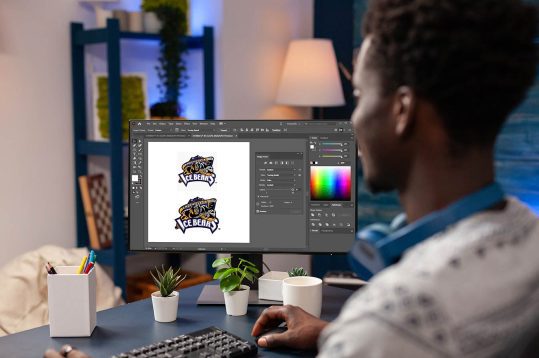
Professional digitizing software provides the most accurate conversions. Some top options include:
- Wilcom EmbroideryStudio (Industry standard, but expensive)
- Hatch Embroidery (More affordable, great for home users)
- Embrilliance (User-friendly for Mac and Windows)
- SewWhat-Pro / SewArt (Budget-friendly alternative)
How to Convert Files in Software:
- Open the original file (DST, EXP, or JEF).
- Check for any errors in stitch mapping.
- Export or “Save As” PES format.
- Verify stitch integrity before stitching.
Pros: Highest accuracy, full editing control.
Cons: Software can be costly for casual users.
2. Online File Converters (Free & Paid)
If you don’t have professional software, web-based converters can help:
- MyEditor Online (Free, supports PES, DST, JEF)
- Embird Online Converter (Paid, high-quality output)
- StitchArtist One-Time Conversion (Low-cost option)
How Online Conversion Works:
- Upload your file.
- Select “PES” as the output.
- Download the converted file.
Pros: No software installation needed.
Cons: Limited editing options; quality varies by tool.
3. Manual Re-Digitizing (For Critical Projects)
If automatic conversion causes issues, re-digitizing from scratch ensures perfection:
- Open the original design in viewer software.
- Trace the design in PES-compatible digitizing software.
- Adjust stitch types and underlay manually.
Best for: Complex logos or designs with fine details.
Common Conversion Problems & How to Fix Them
1. Stitch Distortion or Misalignment
- Cause: Incorrect pull compensation during conversion.
- Fix: Adjust stitch density or re-digitize problem areas.
2. Thread Breaks or Gaps
- Cause: Poor underlay conversion.
- Fix: Reinforce with manual underlay stitches.
3. Color Changes Lost
- Cause: Some converters don’t preserve thread colors.
- Fix: Reassign colors in Brother’s PE-Design software.
How to Check Quality After Conversion
Before stitching on fabric:
- Use an Embroidery Viewer (like Wilcom TrueSizer or SewMate) to preview the PES file.
- Stitch a Test Run on scrap fabric to check tension and alignment.
- Compare to Original – Look for missing details or inconsistent stitches.
Free Alternatives for Quick Fixes
- Brother’s PE-Design Lite (Free version allows basic edits).
- Ink/Stitch (Open-source option for brave DIYers).
Conclusion
Converting DST, EXP, or JEF files to PES doesn’t have to mean losing quality. The best results come from professional software like Wilcom or Hatch, but free online tools can work in a pinch. Always verify stitch integrity after conversion, and for mission-critical projects, consider manual re-digitizing.
By following these methods, you’ll keep your embroidery designs sharp and machine-ready—no matter what format they started in. Happy stitching!