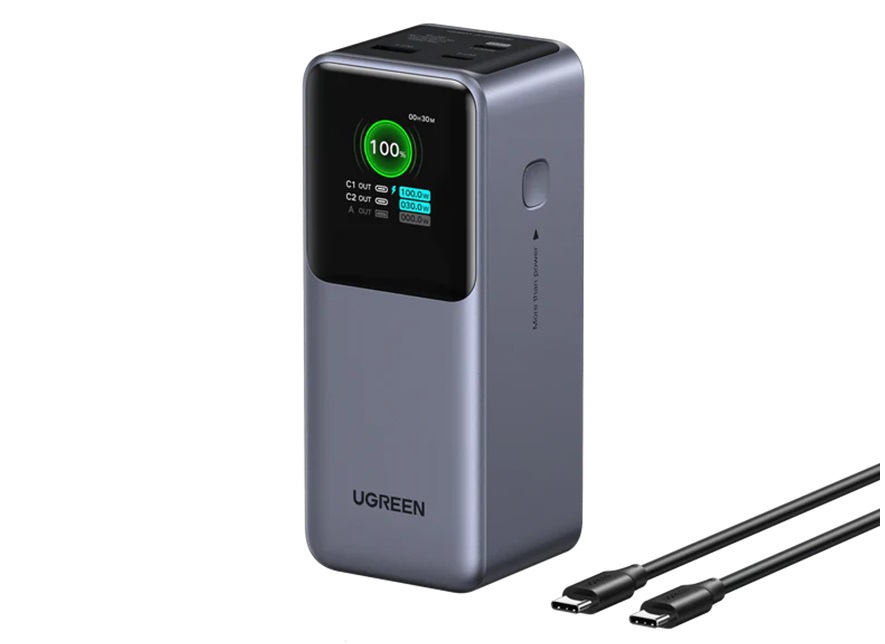

Power Bank with Cables more because they are easy to carry and use. They’re easy to carry, quick to use, and you don’t have to look for the right charging cord. It’s useful to have a charger that’s always ready to go when you’re out running errands, traveling, or just going from one meeting to the next.
This type of power bank can help you out, but if you use it wrong, it could cause problems, some of which could be bad. You can keep your devices safe and your power bank working well by making a few small changes to your routine.
1. Inspect Built-in Cables Regularly for Wear
Just because a cable is built into the power bank doesn’t mean it lasts forever. Over time, even built-in cables can wear out. They bend, they get pulled, they rub against other items in a bag.
Take a quick look at the cable every so often. Check if the outer coating is starting to crack, if the plug feels loose, or if any wires are showing. A cable that feels stiff in certain spots or has discolored ends is also a red flag.
It’s a good idea to do a quick check once a month or before a trip. Catching damage early can prevent phone charging issues or worse—overheating and short circuits. If something doesn’t feel right, stop using the power bank and get a replacement.
2. Avoid Overstretching or Bending Built-in Cables
Built-in cables aren’t made to stretch far. Pulling them too hard, twisting them sharply, or bending them at tight angles can damage the inside wiring. That kind of stress might not show right away, but it can make the cable fail sooner than expected.
Use your power bank in a way that lets the cable stay relaxed. Don’t yank it across the desk or plug it in while your phone hangs by the cord. If you’re charging in a tight space like a car or backpack, make sure there’s enough room so the cable doesn’t get crushed or pinched.
The less pressure you put on the cable, the longer it will last. And the less likely it is to fail while you really need it.
3. Make Sure the Cable Matches Your Device
Most power banks with built-in cables are made for common charging types—like USB-C, but that doesn’t always mean they’re the right fit for every device. Fast charging, for example, needs a certain amount of power and the right cable setup.
Before you plug in, take a second to check the specs. The label on the power bank usually lists the output level. If you try to fast-charge a power-hungry device with a cable that’s not rated for it, the result can be overheating, slow charging, or long-term battery damage.
Stick with what’s listed. If your device needs more power than the cable offers, it’s safer to use a different charger.
4. Don’t Charge Devices Unattended for Long Periods
It’s tempting to plug in and forget about it—especially overnight or during travel. But charging for long stretches without keeping an eye on it can be risky. Heat can build up, especially if the cable or device already has wear and tear.
Make a habit of checking on your device every so often while it charges. Once it’s at 100%, unplug it. Leaving it connected longer won’t help, and it could do harm over time. If you really need to charge overnight, consider using a plug with a timer or auto-shutoff feature.
Charging should feel safe. Keeping an eye on things helps make sure it stays that way.
5. Store and Carry It the Right Way
Built-in cables might feel protected since they’re attached, but they’re still vulnerable. If you toss your power bank into a bag with keys, pens, or sharp items, the cable can get scratched, bent, or pinched. Pressure from other objects can also weaken the connector over time.
Use a soft pouch or a separate pocket to keep your power bank safe. Make sure the cable is loosely wrapped or placed in a way that doesn’t force it into tight bends. Avoid putting heavy things on top of it, especially during travel.
Simple steps like these can prevent damage and keep your charger ready to go whenever you need it.
Click to read more: what to look for in a portable charger.
Conclusion
Built-in cable power banks are simple and helpful, but they need care to stay reliable. Take a moment now and then to check for wear, use the cable gently, match it with the right device, avoid long unattended charging, and store it carefully.
These small habits don’t take much time, but they’ll help protect your phone, keep your power bank working longer, and lower the risk of problems while charging.
Would you like help adapting this into web format, social media snippets, or a version for email campaigns?