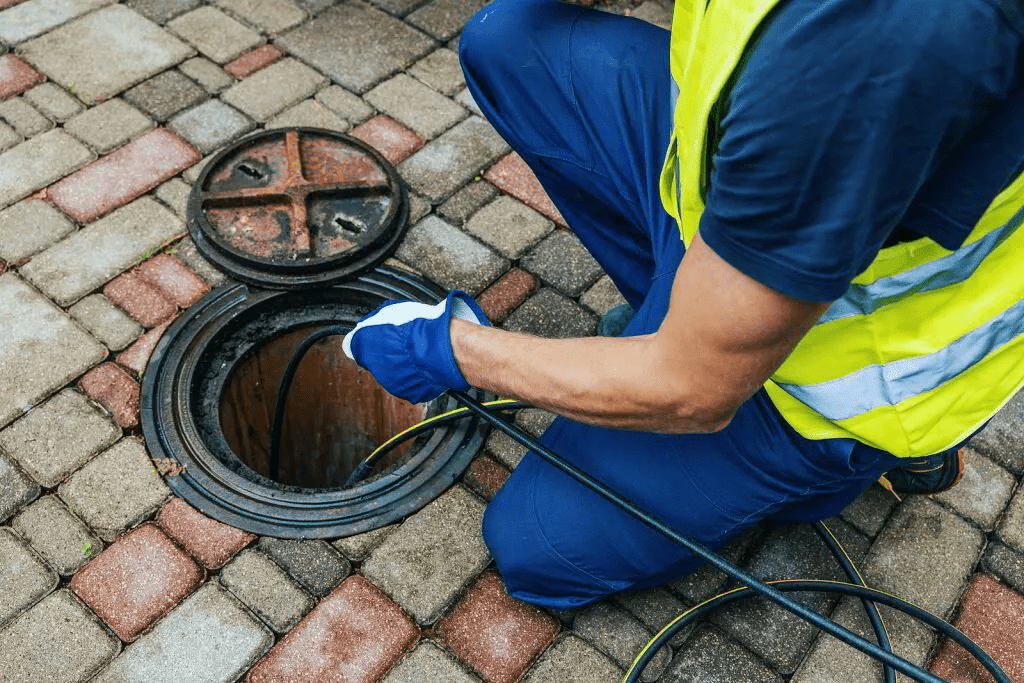

Your home’s sewer line system is a vital component of your plumbing infrastructure, carrying wastewater and sewage safely away from your property. Yet it often goes unnoticed—until something goes wrong. Understanding how your sewer lines work, recognizing the warning signs of trouble, and knowing when to call a professional can save you time, money, and stress. Here’s what every homeowner should know about sewer line systems. check that for mroe details
1. The Basics: What Is a Sewer Line System?
A sewer line system consists of pipes that transport wastewater from sinks, toilets, showers, and appliances to the municipal sewer main or a private septic system. Key components include:
- House Drain (Lateral Line): The pipe running from your home’s plumbing to the main sewer or septic.
- Main Sewer Line: The larger municipal pipe that collects wastewater from multiple homes.
- Cleanouts: Access points—usually capped pipes—installed along the lateral line for clearing blockages.
- Vent Stack: Vertical pipes that release sewer gases and maintain proper air pressure, preventing trap siphoning.
Most residential sewer lines are made of PVC, ABS, cast iron, or in older homes, clay or orangeburg. Each material has a different lifespan and susceptibility to damage.
2. Common Sewer Line Problems
Sewer line issues can range from minor annoyances to major emergencies. Typical problems include:
- Clogs and Blockages: Caused by hair, grease, sanitary products, or tree roots intruding through cracks.
- Pipe Corrosion or Deterioration: Older metal or clay pipes can corrode, crack, or collapse over time.
- Bellied Pipes: Sections of the pipe sag due to ground settling, collecting debris and causing backups.
- Root Infiltration: Tree roots seek moisture and can penetrate joints, causing leaks and blockages.
- Broken or Collapsed Pipes: From shifting soil, heavy loads, or freezing conditions.
Left unaddressed, these issues can lead to sewage backups, foul odors, soggy lawns, and even structural damage.
3. Warning Signs of Sewer Line Trouble
Early detection is critical. Watch for these red flags:
- Slow Drains Across Multiple Fixtures: If sinks, toilets, and tubs all drain slowly, the main line may be blocked.
- Gurgling Noises: Sounds from drains or the toilet can indicate trapped air in the sewer pipe.
- Foul Odors: Persistent sewer smells in your yard or basement suggest a leak or break.
- Lush or Spongy Lawn Patches: Unusually green or soggy grass may signal sewage seeping into the soil.
- Sewage Backups: Raw sewage in fixtures or drains is a definite sign of major blockage or collapse.
If you notice any of these symptoms, don’t wait—call a licensed plumber for diagnosis and repair.
4. Inspection and Diagnosis
Modern plumbers use several techniques to assess sewer line health:
- Video Camera Inspection: A waterproof camera snakes through pipes, transmitting real-time footage of cracks, root intrusion, or blockages.
- Hydrostatic Testing: Seals one end of the pipe and pressurizes it with water to detect leaks.
- Smoke Testing: Non-toxic smoke is forced into the line; escaping smoke pinpoints cracks, misplaced vents, or cross-connections.
A thorough inspection pinpoints the exact issue and helps determine whether cleaning, repair, or full replacement is needed.
5. Repair and Replacement Options
Depending on the problem’s severity and pipe condition, options include:
5.1 Hydro Jetting & Snaking
- Snaking (Augering): Mechanical augers break up clogs near the cleanout.
- Hydro Jetting: High-pressure water clears grease, roots, and debris deep in the line.
These methods are effective for clogs but don’t address damaged or collapsed pipes.
5.2 Trenchless Repair
- Pipe Lining (Cured-in-Place Pipe): An epoxy-coated liner is inflated inside the existing pipe, creating a seamless new pipe within the old one.
- Pipe Bursting: A bursting head breaks the old pipe while simultaneous pulling in a new pipe of equal or larger diameter.
Trenchless methods minimize digging, landscaping damage, and restoration costs, making them ideal when pipes are structurally compromised.
5.3 Traditional Excavation
In cases of severe collapse or bellied pipes, the old pipe is dug up and replaced. Though more disruptive and costly, traditional replacement is sometimes the only option.
6. Preventive Maintenance Tips
Proactive care extends your sewer line’s lifespan:
- Install and Use Drain Screens: Catch hair and food particles before they enter the pipe.
- Mind What Goes Down the Drains: Never flush wipes, coffee grounds, grease, or sanitary products.
- Schedule Regular Inspections: Annual video inspections identify small issues before they escalate.
- Maintain Cleanouts: Ensure caps are accessible and sealed.
- Tree Placement: Plant trees and shrubs away from sewer line trenches to reduce root intrusion risk.
Routine maintenance and mindful usage can save thousands in emergency repairs.
7. Choosing the Right Professional
Selecting an experienced, licensed plumber is crucial:
- Check Credentials: Verify state licenses, insurance, and membership in professional associations.
- Ask About Technology: Ensure they use video inspection and modern trenchless techniques.
- Get Multiple Quotes: Compare scope of work, timelines, and warranties.
- Read Reviews: Positive testimonials and referrals indicate reliable service.
A knowledgeable plumber provides accurate diagnoses, transparent pricing, and effective solutions.
Conclusion
Your sewer line system operates quietly beneath your yard, yet its health directly impacts your home’s comfort, safety, and value. By understanding the components, recognizing warning signs, and investing in regular inspections and proper repairs, you can avoid messy emergencies and costly replacements. Armed with the right information and a trusted plumbing professional, every homeowner can keep their sewer lines flowing smoothly—today and for years to come.



