

The Spirit of Truth Native American Church (SoTNAC) is a United States-based religious organization incorporated in Missouri and affiliated with the broader Native American Church tradition found throughout the Americas. The church blends Indigenous spiritual practices with Christian teachings, emphasizing personal transformation, unity, prayer, healing, moral discipline, and communal responsibility. Rather than functioning as a centralized institution, SoTNAC operates as a decentralized network of congregations united by shared spiritual principles.
A common misconception, including on some general reference sites, holds that every Native American Church is built around the ceremonial use of peyote. While many congregations within the broader tradition do incorporate peyote as a sacrament, a significant number do not, and a Native American Church is more accurately understood as an organization granted authority through legally recognized Native American tribes or affiliated bodies. SoTNAC traces its own line of authority to the blessing of Chief Leslie Fool Bull, head of the Rosebud Native American Church, an authority later reaffirmed by his son, Chief Richard “He Who Has the Foundation” Swallow, who served as President of the Native American Church of the Rosebud Reservation in South Dakota and as Oglala Sioux Chief of the Eagle Clan.
History
The Spirit of Truth Native American Church emerged as part of the continued growth of Native American Church-affiliated congregations across the United States and internationally. The broader movement took shape in the early twentieth century, established in response to organized efforts to legislate against Indigenous religious practice, and legal recognition of the Church became an important safeguard for ceremonial life going forward.
Local SoTNAC congregations operate with considerable independence, adapting shared spiritual principles to the needs and traditions of their own communities, a structure that reflects the decentralized character of the wider Native American Church movement.
Beliefs
The church describes itself as a “Creation-Based Church,” holding that a Creator shaped the universe and everything within it. Its theology is syncretic, weaving Indigenous spirituality together with Christian belief, and centers on a personal relationship with that higher spiritual power, understood as the Creator, alongside guidance associated with Christ.
According to the church’s constitution, members are called toward spiritual lineage, moral conduct, and a commitment to live in peace and harmony by following Christ, while also honoring ancestral guidance and the continuation of Indigenous spiritual practice. The church frames spiritual growth in organic terms: much as a plant must break through the ground to reach the light, members are encouraged to grow out of earlier religious indoctrination by building a direct, personal relationship with the Creator and with Creation, a process that often reshapes how an individual’s faith is understood and lived day to day.
This growth is rooted in a broader belief that the Creator has shared truths with people across the world, not with any single tradition exclusively, and that members are encouraged to learn from the spiritual insights of Indigenous ancestors throughout North, Central, and South America as well as Indigenous cultures elsewhere.
The church holds that, as children of the Creator, all people are eligible for membership. SoTNAC further teaches that its members hold God-given freedoms that are not subject to the will of governments, organizations, or individuals, and that they are called to govern themselves according to their religious convictions. The church cites mandatory vaccination requirements as one example of a government action members consider themselves exempt from on religious grounds, holding that such compulsion conflicts with their fundamental beliefs. The organization also states that congressional actions and court cases, including State v. Mooney (Docket Number 20010787), affirm its direct line of authority and the right of members to use plants, animals, stones, feathers, and similar items in religious ceremony.
Key principles include:
- Recognition of a supreme spiritual force.
- Recognition that Yeshua, or Jesus, is the Christ.
- Emphasis on spiritual awakening and personal growth.
- Integration of Indigenous spiritual practices into modern life.
- Commitment to moral values such as honesty, respect, compassion, and doing good.
Ceremonial Practices
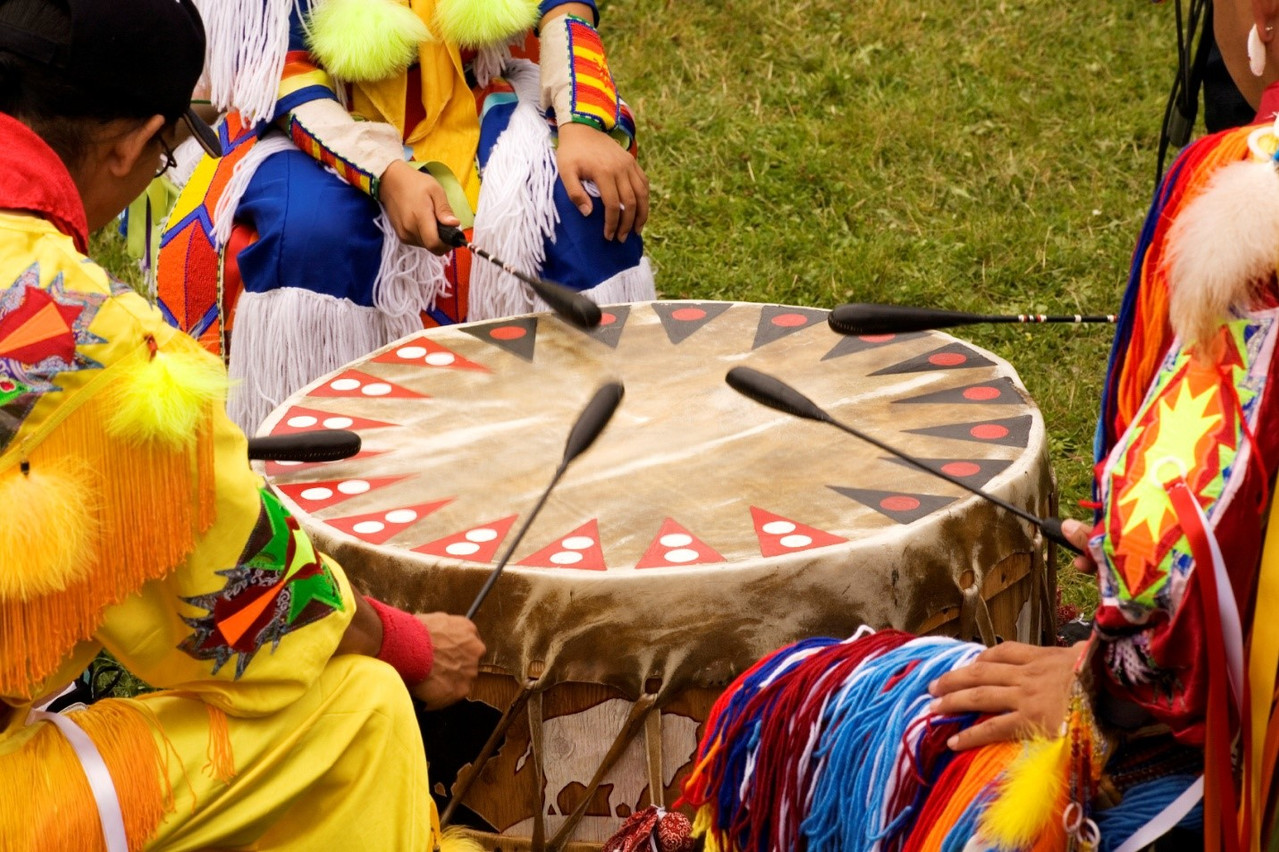
Ceremonial practices within SoTNAC are rooted in the broader religious traditions of Indigenous peoples of the Americas and the world, often community-centered and held to mark significant life events such as births, deaths, or personal milestones.
Common elements include:
- Prayer, meditation, and spiritual reflection.
- Singing and rhythmic music.
- Use of symbolic and sacred items.
- Fasting and purification practices.
- Group participation in guided ceremonies.
- Use of sacred sacraments or medicine.
Practices may vary depending on the congregation and leadership, reflecting the decentralized nature of the Native American Church tradition. Some branches of the Native American Church include the sacramental use of government-controlled substances, such as peyote, as part of their ceremonial practice, though practices vary by congregation and jurisdiction.
Community Role and Organizational Structure
The church functions as both a spiritual and community organization, emphasizing inclusivity and encouraging participation from those seeking spiritual growth and connection. It operates without paid clergy, with organizational activities supported by volunteers and community participants, and follows a decentralized structure in which leadership is tied to spiritual guidance rather than formal hierarchy. Local chapters maintain autonomy while aligning with the church’s constitution and broader principles.
Through its activities, the organization promotes values of unity, healing, Indigenous identity, spiritual education, community resilience, and responsibility. Its outreach includes digital platforms, where it shares teachings and engages with a broader audience.
Spiritual Approach
The church’s approach to spirituality is holistic, integrating emotional, mental, and spiritual well-being. It emphasizes harmony between individuals and the natural world, reflecting core Indigenous spiritual philosophies. Teachings encourage self-awareness, personal responsibility, and alignment with a higher spiritual purpose, rooted in the understanding that all beings are part of creation and therefore deserve respect.
Legal and Religious Context
Legal recognition of the Native American Church, particularly regarding ceremonial practices, has been shaped by legislation such as the American Indian Religious Freedom Act and its amendments. SoTNAC situates its claims regarding member status and exemptions within this wider history of legal protection for Native American religious exercise.
Legacy
The Spirit of Truth Native American Church reflects the ongoing evolution of Indigenous spiritual traditions in contemporary society, supporting the preservation of ceremonial practices while adapting them to modern contexts. Its work contributes to the broader landscape of spiritual movements focused on healing, identity, cultural preservation, and community connection.


