
Workplace safety has shifted from being a regulatory requirement to a core organisational value. As industries expand and operations become more complex, workers are exposed to a variety of hazards from chemical spills and airborne particles to falling objects and sharp tools. This makes personal safety equipment an essential component of day-to-day industrial activity. Investing in the right gear not only safeguards employees but also enhances productivity, morale, and long-term operational efficiency. Today, businesses across sectors recognise the need for reliable PPE solutions that adapt to the evolving demands of modern workplaces.
The Increasing Need for Personal Safety Equipment
Personal safety equipment plays a vital role in protecting workers from unexpected risks. These products are thoughtfully engineered to act as the first barrier between the worker and potential hazards. Industries such as construction, manufacturing, oil and gas, logistics, food processing, and mining rely heavily on protective gear to maintain safe working conditions. From helmets that shield against impact to gloves that protect from chemicals and cuts, personal safety equipment enables workers to perform their jobs confidently. The right equipment minimises the severity of accidents and helps organisations comply with safety standards and legal norms.
Understanding the Components of a PPE Kit
A well-designed PPE kit is assembled based on workplace risks and job requirements. While every kit may differ, it commonly includes:
- Safety helmets for head protection
- Protective eyewear to prevent dust or debris exposure
- Gloves suited for thermal, chemical, or mechanical hazards
- Respiratory masks for contaminated or dusty environments
- High-visibility clothing for low-light job sites
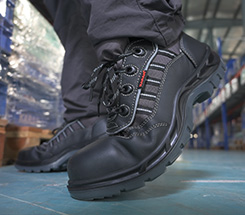
- Safety footwear designed to prevent slips, punctures, and impact injuries
Each component contributes to a layered defence system, ensuring workers are protected from multiple angles. A PPE kit must be selected with precision, ensuring optimal fit, comfort, and durability.
Ergonomics and Comfort in Modern Safety Gear
One of the biggest challenges with personal safety equipment has always been user discomfort. Heavy gear, rigid materials, or designs that restrict movement can lead workers to avoid wearing PPE consistently. To overcome this, modern safety equipment now focuses extensively on ergonomics. Lightweight materials, breathable fabrics, adjustable straps, anti-fog coatings, and cushioned interiors make safety gear easier to wear for long hours. When protective equipment is comfortable, workers remain more compliant, leading to safer job sites and fewer accidents.
Training: The Foundation of Effective PPE Usage
Even the most advanced PPE kit fails to deliver protection without proper training. Workers must understand:
- When PPE is required
- How to wear each item correctly
- How to inspect equipment before use
- How to maintain and store gear
- How to respond to PPE-related failures
Regular safety briefings, demonstrations, and refreshers help build awareness and strengthen the organisation’s safety culture.
Inspection and Maintenance: Extending Equipment Life
Personal safety equipment undergoes constant wear and tear due to heavy usage. Regular inspection ensures that damaged or worn-out items do not compromise worker safety. Employers should implement structured inspection schedules to check for frayed straps, cracked surfaces, clogged filters, or loose fittings. Proper cleaning and storage extend the lifespan of PPE kits, ensuring workers remain consistently protected. Damaged items should be replaced immediately to avoid accidental failures during critical tasks.
Building a Culture of Safety
Beyond equipment, a strong safety culture is vital for effective risk mitigation. When safety becomes a shared responsibility among management, supervisors, and workers, it leads to better communication, improved compliance, and fewer accidents. Organisations that prioritise safety foster trust, enhance operational resilience, and create healthier workplaces for the long term.
Personal safety equipment and carefully assembled PPE kits are essential for today’s risk-intensive industries. By focusing on quality gear, proper training, routine inspection, and a proactive safety culture, organisations can significantly reduce workplace hazards and protect their workforce. A safer environment ultimately leads to stronger productivity and sustained business success.