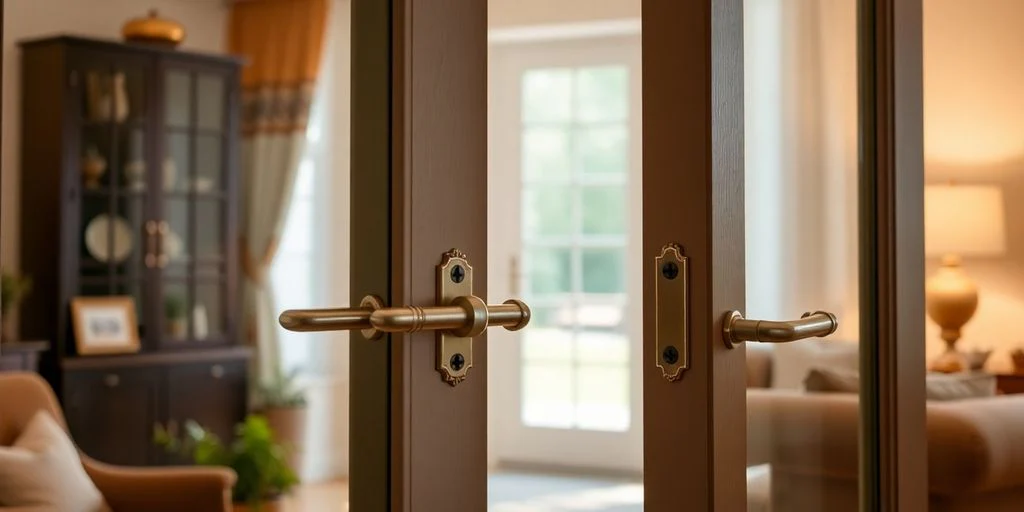

French doors add elegance, natural light, and convenient access to gardens, patios, or balconies. However, when you experience a French door lock issue, it can quickly turn from a minor inconvenience into a serious security concern. Because French doors often rely on multipoint locking systems and dual-door alignment, even small mechanical problems can prevent them from locking properly. Understanding the causes and solutions can help you restore both functionality and peace of mind.
Common Causes of French Door Lock Issues
French doors typically operate using a multipoint locking mechanism, especially in uPVC or composite models. Wooden French doors may use mortice locks or surface bolts. Since these systems contain several moving parts, problems can arise over time.
1. Door Misalignment
One of the most common causes of French door lock problems is misalignment. Over time, doors may shift due to:
- Seasonal expansion and contraction
- Loose hinges
- Foundation settling
- Heavy or frequent use
When the door becomes slightly out of alignment, the locking bolts may not line up properly with the strike plate in the frame. As a result, the lock may feel stiff, refuse to engage, or only partially lock.
2. Worn or Damaged Lock Mechanism
French doors are often used frequently, especially if they lead to a garden or patio. This constant use can wear down internal components such as:
- The gearbox
- Locking cams
- Springs
- Cylinders
Over time, these components may fail, causing the handle to move without engaging the lock or the key to turn without fully locking the door.
3. Cylinder Problems
The lock cylinder is the part where you insert the key. Common cylinder-related issues include:
- Key sticking or not turning
- Key turning but door not locking
- Broken key inside the cylinder
Wear and tear, dirt buildup, or attempted forced entry can all damage the cylinder, requiring repair or replacement.
4. Dirt, Debris, and Lack of Lubrication
Outdoor French doors are exposed to dust, moisture, and weather conditions. Dirt can enter the locking mechanism, causing stiffness or grinding sounds when turning the key. Without proper lubrication, internal parts may seize or corrode.
Using a silicone-based lubricant (not oil-based products that attract more dust) can sometimes resolve minor sticking issues.
5. Rust and Corrosion
If your French doors are older or exposed to high humidity, rust may form on bolts or internal components. Corrosion restricts movement and may prevent the locking system from fully engaging. In many cases, corrosion means the lock mechanism needs replacement rather than simple maintenance.
Signs You Have a French Door Lock Issue
Recognizing early warning signs can prevent a complete lock failure. Watch for:
- Difficulty turning the key
- Handle lifting but not locking
- Lock working only when the door is slightly pushed or pulled
- Grinding or clicking noises
- Door not securing firmly
If you notice these symptoms, it’s best to address the issue quickly before the lock fails completely.
Can You Fix a French Door Lock Yourself?
Some minor issues can be resolved without professional help.
Tighten Hinges
If misalignment is suspected, check for loose hinge screws and tighten them. Small adjustments can improve alignment and restore locking functionality.
Lubricate the Lock
Apply a silicone-based lubricant inside the keyway and along the locking strip. Operate the lock several times to distribute the lubricant.
Adjust the Strike Plate
If the lock bolt is slightly missing the strike plate, repositioning it may solve the issue.
However, if the handle feels loose, the key spins without resistance, or the lock completely fails to engage, internal components may be damaged. At this stage, DIY fixes are usually ineffective.
When to Replace the French Door Lock
In many cases, replacing the lock is the safest and most reliable solution. Consider lock replacement if:
- The gearbox has failed
- The cylinder is damaged
- Multiple components are worn
- The door has been forced or tampered with
- The lock no longer meets modern security standards
Upgrading to a high-security cylinder, such as a 3-star anti-snap cylinder, significantly improves protection against break-ins.
Why Prompt Repair Is Important
French doors are often located at the rear of a property, making them a common entry point for burglars. A faulty lock weakens your home’s security and may even affect insurance coverage if the lock does not meet required standards.
Additionally, forcing a misaligned or damaged lock can cause further damage to the door frame or multipoint mechanism, increasing repair costs.
Preventing Future Lock Issues
Regular maintenance can extend the life of your French door lock:
- Clean and lubricate the mechanism every 6–12 months
- Check hinge screws and door alignment periodically
- Avoid slamming the doors
- Replace worn components early
Routine inspection helps catch small issues before they become major problems.
Final Thoughts
A French door lock issue can stem from misalignment, worn components, cylinder damage, or environmental exposure. While minor problems may be fixed with simple adjustments or lubrication, serious mechanical faults typically require professional repair or full replacement. Addressing the issue promptly not only restores convenience but also ensures your home remains secure.
If your French door lock is showing signs of failure, don’t ignore it. Early action can save you from costly repairs — and more importantly, protect your property and loved ones.