
The Tulip Mania: A Historical Lesson and the Beauty of Tulipa Pulchella
Economics, and Current Trade Trends
Tulips are more than just beautiful spring flowers. They have played a major role in economic history and continue to represent a significant global trade market today. From the 17th-century Tulip Mania in the Netherlands to the modern export industry, tulips remain a fascinating example of how culture, scarcity, and demand can shape market value.
What Was Tulip Mania?
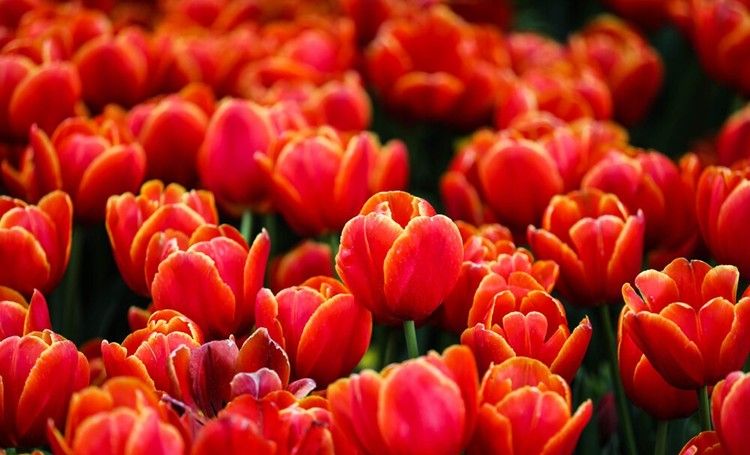
Tulip Mania refers to the famous speculative bubble that took place in the Dutch Golden Age during the 1630s. Tulip bulbs, especially rare varieties, became highly desirable and were traded at extremely inflated prices. At the peak of the frenzy, buyers were paying not for the flower itself, but for the expectation that its price would keep rising.
When confidence in the market disappeared, prices collapsed sharply. Many investors were left with losses, making Tulip Mania one of the most cited examples of a market bubble in economic history.
Economic Lessons from Tulip Mania
Tulip Mania is still relevant because it highlights several core economic principles:
- Speculation can drive prices far above intrinsic value
- Limited supply and strong demand can create rapid price inflation
- Market sentiment often matters as much as fundamentals
- When confidence breaks, prices can fall very quickly
For economists and investors, Tulip Mania is a classic case study in asset bubbles, irrational expectations, and market psychology.
The Modern Tulip Market
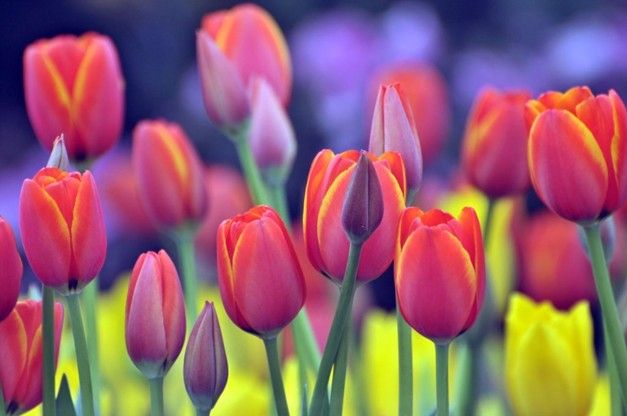
While the historical bubble is long over, tulips are still an important agricultural and ornamental product. The modern tulip industry includes cut flowers, bulbs, and international trade.
Recent market estimates show that the global tulip market continues to expand, though reported figures vary depending on whether the source measures:
- fresh cut tulips,
- tulip bulbs,
- or the broader ornamental flower market.
Recent Market Estimates
Some current industry reports estimate the global tulip market at:
- USD 6.29 billion in 2024, with a forecast to USD 9.60 billion by 2033
- USD 3.2 billion in 2024, with growth projected through 2033
- USD 1.46 billion in 2023, with continued expansion expected by 2031
These differences reflect different market definitions, but they all point to one conclusion: tulips remain a commercially relevant flower category.
Tulip Export Statistics: Netherlands Remains the Leader
The Netherlands is still the world’s leading tulip and flower bulb exporter. According to official trade data, the Dutch bulb industry remains a major contributor to the global horticulture market.
Key Export Figures
- In 2024, the EU exported €98.9 million worth of orchid, hyacinth, narcissus, and tulip bulbs.
- The Netherlands accounted for €82 million of that total, or 83% of EU exports in this category.
- Dutch statistics also show that in 2022, flower bulb exports were worth more than €1 billion, with nearly 7 billion bulbs exported.
- Tulip export value rose significantly in recent years, reaching around €320 million in one reported period, with strong annual growth.
These figures show that tulips are not just a historical curiosity — they are part of a large and active international supply chain.
Why Tulips Still Matter in Today’s Economy
Tulips continue to matter because they combine several important economic features:
1. Strong Seasonal Demand
Tulips are especially popular in spring markets, gardens, and landscaping projects.
2. High-Value Export Commodity
The bulb trade generates significant revenue for exporting countries, especially the Netherlands.
3. Branding and Cultural Value
Tulips have become a symbol of Dutch horticultural expertise and international flower trade.
4. Stable Consumer Interest
Despite their historical association with a bubble, tulips remain one of the most recognized and purchased ornamental flowers in the world.
Why Choose Tulipa Pulchella for Your Garden?
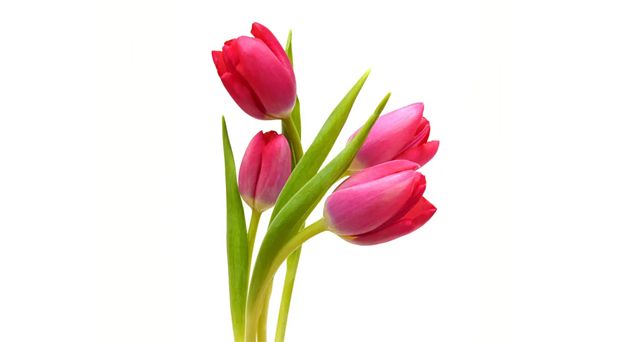
While the Dutch Golden Age craze is over, the love for tulips endures. If you are looking for a reliable, stunning, and low-maintenance option, Tulipa pulchella (a botanical tulip) is an excellent choice.
Ideal Growing Conditions
To get the best out of your Tulipa pulchella plant , keep these requirements in mind:
- Full Sun: These tulips thrive in bright, direct sunlight.
- Well-Drained Soil: Essential to prevent bulb rot. They prefer rocky or sandy soils over heavy clay.
- Autumn Planting: Plant your bulbs in the fall to allow them to establish roots before the winter chill.
- Cool Dormancy: They require a cold period during winter to initiate blooming in early spring.
Key Benefits of Tulipa Pulchella
- Compact Size: Perfect for rock gardens, containers, and borders where taller tulips might look out of place.
- Early Bloomers: They provide a splash of color early in the spring, signaling the end of winter.
- Naturalizing Potential: Under ideal conditions, they can naturalize (spread and bloom year after year), offering excellent value for money.
- Unique Aesthetics: Their star-shaped blooms offer a more “wild” and natural look compared to modern, hybridized tulips.
Tulipa Pulchella (Red cross tulip): A Compact Tulip for Gardens and Landscaping
Tulipa pulchella is a great example of a botanical tulip with practical value.
Best Growing Conditions
Tulipa pulchella (Red cross tulip) grows best in:
- Full sun
- Well-drained soil
- Cool winter dormancy
- Autumn planting
Main Benefits
- Compact size for small gardens and containers
- Early spring bloom
- Suitable for rock gardens and borders
- Attractive ornamental value
- Can perform well under the right climate conditions
Conclusion (Tulip Mania and Tulipa pulchella)
Tulips have a unique place in both economic history and modern trade. The story of Tulip Mania remains one of the clearest examples of a speculative bubble, while the current tulip industry demonstrates that these flowers still have real commercial value. From global exports to garden landscaping, tulips continue to generate interest, revenue, and cultural significance.
Whether you are a history enthusiast learning from the mistakes of the Tulip Mania or a gardener looking to brighten your yard with the resilient Tulipa pulchella, tulips remain an iconic part of our world.
Ready to start your garden? Remember: prioritize quality bulbs and proper soil drainage to ensure your spring display is nothing short of spectacular!



