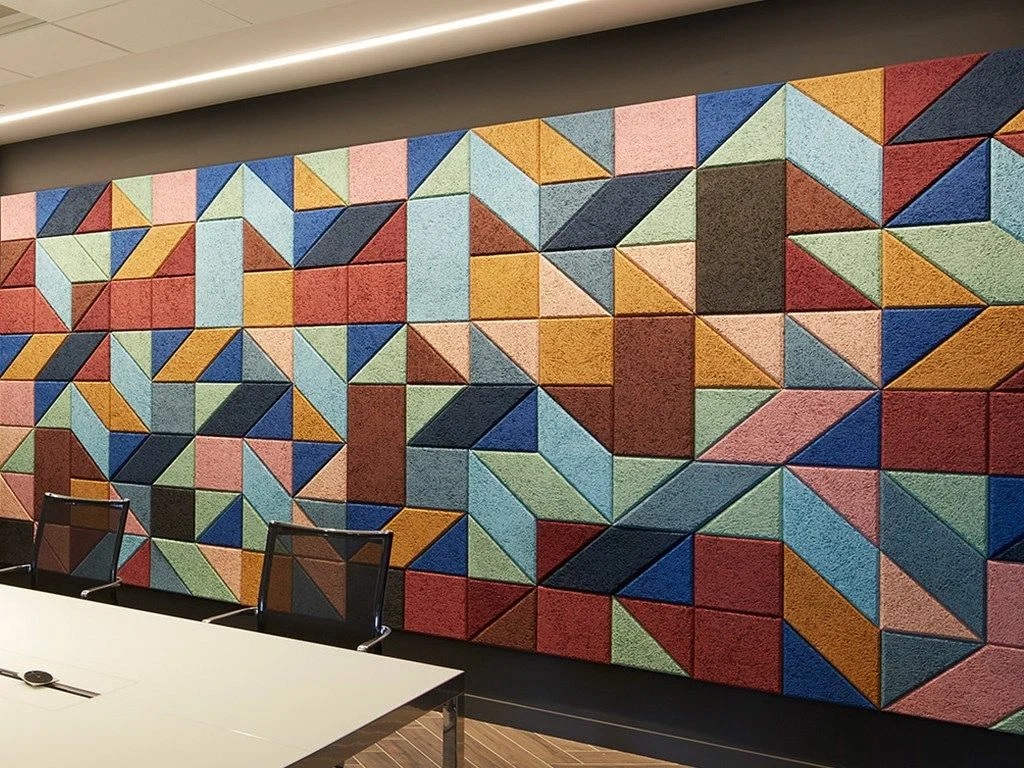

Sound control is a critical component in modern architecture, influencing both functionality and comfort. Whether in commercial offices, recording studios, classrooms, or open-concept homes, the ability to manage sound can significantly affect productivity, well-being, and satisfaction. One highly effective solution is the acoustic panel, which is designed to reduce echo, control reverberation, and enhance sound clarity. Learn more about the importance of acoustic panel installations and their powerful impact on space design at Klar.
What Are Acoustic Panels?
Acoustic panels are sound-absorbing panels made from materials like mineral wool, fiberglass, wood, or polyester. These materials are engineered to absorb unwanted noise frequencies, improving speech intelligibility and reducing acoustic fatigue. Panels can be wall-mounted, ceiling-suspended, or integrated into furniture elements for both functional and aesthetic purposes.
Modern panels are available in various designs, thicknesses, and finishes to match diverse interiors, offering seamless integration with decor while optimizing acoustic performance.
How Acoustic Panels Work
Acoustic panels control sound by converting sound waves into heat energy through friction as they pass through the panel’s porous material. The result is a reduction in sound reflection and reverberation within a space.
The panels are particularly effective in treating mid to high-frequency sounds—such as speech and ambient noise—making them ideal for boardrooms, open-plan offices, restaurants, and home theaters.
Benefits of Using Acoustic Panels
1. Enhanced Speech Clarity
In conference rooms and classrooms, clear communication is essential. Acoustic panels reduce background noise and echoes, improving voice projection and making speech easier to understand.
2. Better Productivity
Poor acoustics lead to distractions and decreased concentration. Strategically placed acoustic panels in offices minimize distractions, boost focus, and contribute to a more efficient work environment.
3. Aesthetic Flexibility
Acoustic panels are available in custom colors, textures, and shapes. Designers can align them with brand identity or interior themes, blending functionality with modern style.
4. Eco-Friendly and Sustainable Options
Many panels are now made from recycled or natural materials, contributing to green building certifications such as LEED. This makes them suitable for organizations aiming to reduce their carbon footprint.
Types of Acoustic Panels
Wall Panels
Mounted directly to walls, these are the most common and effective for mid-frequency absorption. Ideal for classrooms, offices, and conference rooms.
Ceiling Clouds
Suspended from ceilings, these panels absorb sound that reflects off hard overhead surfaces. They are excellent for large halls and dining spaces.
Bass Traps
Designed to absorb low-frequency sounds, bass traps are typically used in recording studios and high-fidelity home cinemas.
Desk Dividers & Furniture Panels
Integrated into desks or partitions, these help control sound in open-plan workspaces without requiring additional wall or ceiling space.
Key Installation Considerations
Surface Coverage
Coverage should be proportional to the size and intended function of the room. For offices, covering 20–30% of the wall or ceiling surface may suffice; studios may require 60–80% coverage.
Material Selection
Choose high-NRC (Noise Reduction Coefficient) rated panels for better absorption. Panels with NRC ratings above 0.7 offer excellent performance in most applications.
Placement Strategy
Panels should be placed at first reflection points—typically walls adjacent to sound sources and ceiling areas above speaking zones or equipment.
Acoustic Panel Applications by Industry
| Industry | Application | Benefit |
| Corporate | Conference rooms, lobbies | Clearer meetings, improved aesthetics |
| Education | Lecture halls, classrooms | Better focus, enhanced comprehension |
| Hospitality | Restaurants, hotel lobbies | Pleasant ambiance, reduced noise |
| Healthcare | Waiting areas, consultation rooms | Calm environment, speech privacy |
| Entertainment | Theaters, studios, gaming rooms | Enhanced sound quality, echo control |
Maintenance and Longevity
Acoustic panels are low-maintenance. Regular dusting or vacuuming is usually sufficient. Fabric-wrapped panels can be cleaned with gentle fabric cleaners. High-quality panels can last 10–20 years if properly installed and maintained.
Acoustic Performance Metrics
| Parameter | Description | Ideal Value |
| NRC (Noise Reduction Coefficient) | Measures overall absorption | 0.7 to 1.0 |
| STC (Sound Transmission Class) | Resistance to sound transmission | 40+ (for partitions) |
| Fire Rating | Compliance with fire safety standards | ASTM E84 Class A |
Cost Considerations
Acoustic panel pricing varies based on material, size, customization, and volume. On average:
- Standard polyester panel (4’x2′): $30–$70
- Custom-printed fabric panel: $100–$200
- Ceiling cloud panels: $150–$300
Bulk installations may reduce per-unit costs. Government rebates or tax incentives may also apply for acoustic upgrades in commercial buildings.
Acoustic panels are more than just design accessories—they are essential tools in shaping the sonic environment of a space. By improving sound quality, reducing noise pollution, and enhancing design cohesion, they play a vital role in residential, commercial, and institutional settings. Choosing the right type, material, and placement strategy can dramatically elevate both the form and function of any interior.
For expert guidance and tailored acoustic solutions, explore more at Klar.



