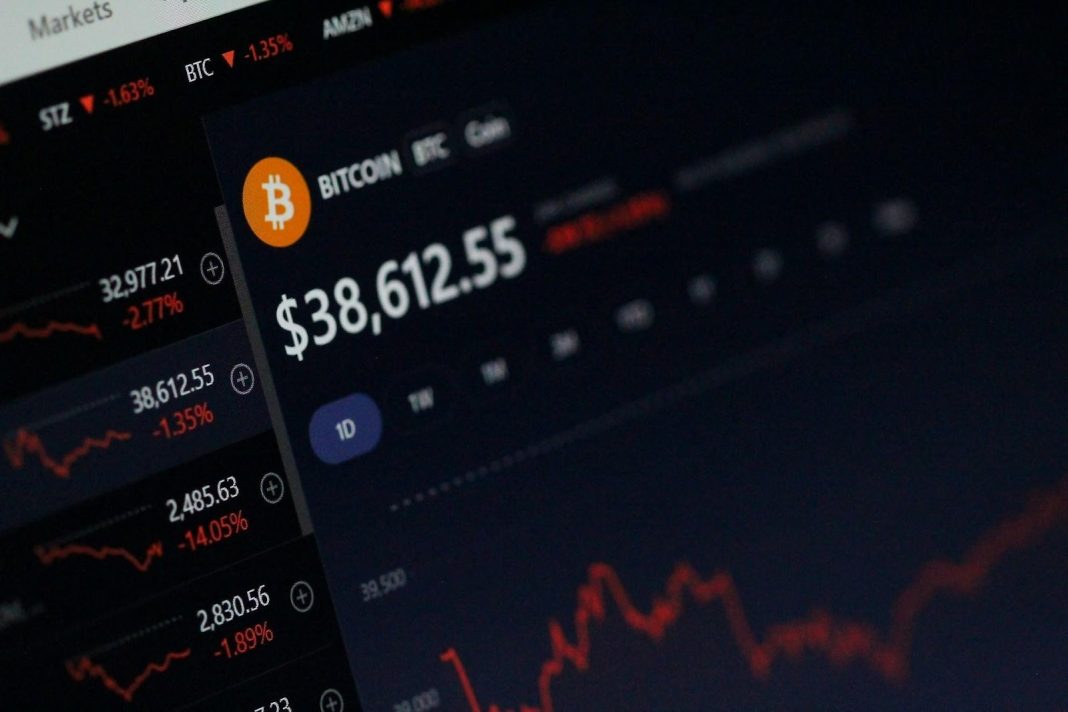

Cryptocurrency trading has become increasingly popular across Southeast Asia, including in Myanmar. Despite regulatory challenges and limited financial infrastructure, BTC/USDT trading remains one of the most popular digital assets among locals who see it as an alternative to traditional investments. At the same time, it is also widely used as a channel for remittances.
When exploring cryptocurrency pairs like BTC/USDT, it helps to compare them to traditional currency pairs for a better understanding. Similar to the forex market, these pairs allow you to exchange one digital currency for another, helping you assess their relative value.
If you’re interested in BTC/USDT trading in Myanmar, here are some key things you should know before getting started.
1. What is BTC/USDT?
For starters, BTC/USDT is a cryptocurrency trading pair that represents the exchange rate between Bitcoin (BTC) and Tether (USDT). Bitcoin is a well-known cryptocurrency, while Tether is also a cryptocurrency, but it is designed to maintain a stable value close to 1 USD, providing a more consistent basis for conversion. In addition, Tether helps reduce the risk of volatility that is often experienced with other digital currencies.
Instead of converting funds to fiat currency, traders often use BTC/USDT pairs, allowing them to take advantage of Bitcoin’s value without leaving the crypto ecosystem.
2. Cryptocurrency Regulations in Myanmar
As of now, Myanmar does not have a clear regulatory framework supporting cryptocurrency trading. Instead, the Central Bank of Myanmar (CBM) maintains a restrictive stance and does not recognise cryptocurrencies as legal tender or official payment methods.
On November 16, 2025, the CBM issued a public warning reiterating that individuals and businesses are prohibited from engaging in online or offline cryptocurrency trading or exchange activities. This followed earlier directives, including the 2020 ban, which made it illegal for financial institutions and residents to buy, sell, or exchange digital currencies such as Bitcoin and Tether.
Despite these restrictions, many locals remain interested in exploring the potential benefits of BTC/USDT trading, often as an informal or alternative investment option. However, because crypto activities in Myanmar operate outside legal regulation, traders are strongly advised to proceed with caution and use only reliable, secure platforms to minimise risk.
3. Access to Crypto Exchanges
Since the local banking system in Myanmar can’t legally support cryptocurrency transactions due to restrictions from the Central Bank of Myanmar, interested traders generally turn to international trading platforms and peer‑to‑peer (P2P) exchanges to access digital asset markets. Examples of international platforms commonly accessed online include Binance, Bybit, OKX, and KuCoin, which allow users to trade BTC/USDT and other pairs via online wallets and P2P features.
However, it’s important to understand that crypto trading remains considered illegal under Central Bank directives in Myanmar, and using these platforms from within the country still carries legal and financial risks. Therefore, anyone interested in BTC/USDT trading should proceed with caution and be aware of the regulatory environment rather than assuming that access to international platforms makes their trading activities lawful.
4. The Role of USDT in the Myanmar Market
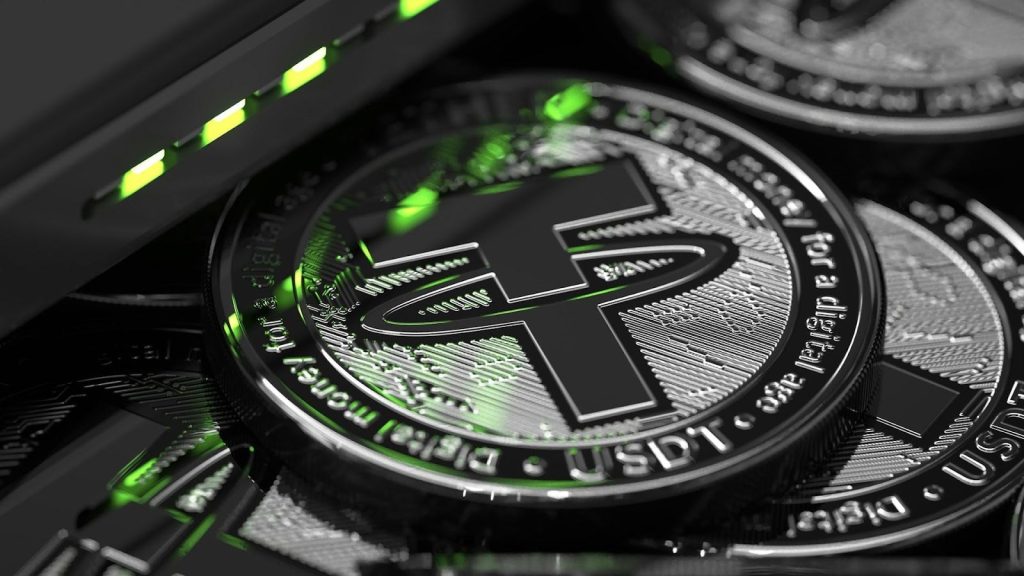
One of the benefits of using USDT in Myanmar’s cryptocurrency market is that it helps protect traders from the volatility of both the Myanmar Kyat (MMK) and Bitcoin, as it’s pegged to the US dollar. Instead of converting their profits into fiat currency, many traders prefer to store them in USDT.
Although digital payment adoption in Myanmar is slower compared to other countries due to its limited financial infrastructure, cash transactions remain the most common.
Overall, as digital payments and cryptocurrencies gain wider acceptance in Myanmar, USDT could offer greater stability, trading flexibility, and liquidity.
5. Risks You Should Prepare for
Since BTC/USDT trading in Myanmar is not yet legally recognised, it carries significant risks. Beyond market volatility, traders may also face challenges such as scams, fake brokers, security breaches, and fraud, particularly for beginners. Additionally, due to regulatory uncertainty, there’s a possibility of losing access to your trading account.
If you choose to engage in BTC/USDT trading in Myanmar, take extra precautions and use only reputable brokers and platforms.
6. Keep Learning and Stay Updated
Before you get started, it’s essential to understand trading basics, market analysis, and risk management. At the same time, seek reliable sources to expand your knowledge of cryptocurrency trading and stay updated on the Central Bank of Myanmar’s (CBM) position regarding cryptocurrencies and digital payments in the country.
7. The Future of Crypto in Myanmar
Although the current state of cryptocurrency in Myanmar isn’t as progressive as many traders would hope, there is still potential for future adoption. As global interest in decentralised finance continues to grow and digital payment systems evolve, Myanmar may gradually embrace cryptocurrency as part of its economy.
In the meantime, focus on learning about cryptocurrency so you can apply your knowledge once regulations begin to favour crypto trading.
Final Thoughts
BTC/USDT trading in Myanmar presents both advantages and disadvantages for individuals and the economy. While traders gain access to global markets, their activities remain limited due to the current legal restrictions on digital currencies.