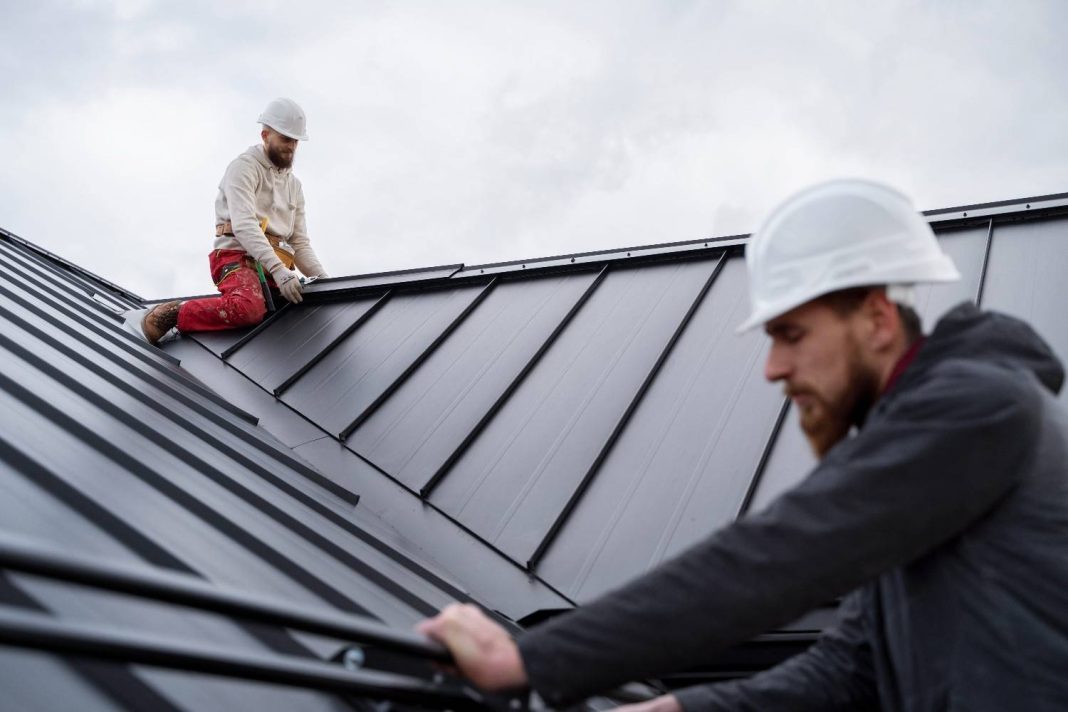

Flat roofs look simple from the outside, but anyone who has worked on one knows they demand smart material choices. Water doesn’t drain as quickly as it does on sloped roofs, and temperature swings can be brutal. That is exactly where elastomeric membrane roofing proves its value.
If you are comparing options like a TPO membrane roof or exploring long-term roof maintenance services, understanding how elastomeric systems perform in real conditions will help you make a confident decision.
What Is an Elastomeric Membrane Roof?
An elastomeric membrane is a multi-layer roofing system typically made from modified bitumen. It is installed in sheets and sealed using heat, creating a continuous, waterproof barrier.
What makes it stand out is its elasticity. The material can expand and contract with temperature changes without cracking or splitting. On flat roofs, that flexibility is not a bonus, it is essential.
Why Flat Roofs Need a Different Approach
Flat roofs deal with challenges that sloped roofs avoid:
- Water tends to pool instead of running off quickly
- Snow and ice sit longer in winter climates
- UV exposure hits the surface directly for hours
- Structural movement affects the entire surface evenly
Because of this, materials that cannot handle movement or prolonged moisture tend to fail faster. That is why traditional shingles are rarely used on flat surfaces, and why systems like elastomeric membrane roofing or TPO membrane roof solutions are preferred.
Key Benefits of Elastomeric Membranes
1. Superior Waterproofing
One of the biggest advantages is how watertight the system becomes after installation. The seams are heat-welded, not just glued or nailed, which significantly reduces the risk of leaks.
In real-world scenarios, this makes a difference during heavy rainfall. Roofs with weaker seam systems often develop slow leaks over time. Elastomeric membranes hold up far better.
2. Flexibility That Prevents Cracks
Flat roofs expand during hot days and contract when temperatures drop. Rigid materials struggle with this cycle. Elastomeric membranes stretch and return to shape without damage. This flexibility helps prevent:
- Surface cracks
- Seam separation
- Premature aging
This is one of the main reasons roofing professionals often recommend this system for long-term durability.
3. Excellent Weather Resistance
From intense UV rays to freezing conditions, elastomeric membranes are built to handle extremes. They resist:
- UV degradation
- Thermal shock
- Wind uplift when properly installed
Compared to some alternatives, including certain TPO membrane roof installations, elastomeric systems often show more consistent performance in harsh climates.
4. Long Lifespan with Proper Maintenance
With regular roof maintenance services, elastomeric roofs can last 20 to 30 years or more. The key here is not just the material but how easy it is to maintain. Small issues can be repaired quickly without replacing large sections of the roof.
For property owners, this translates to lower long-term costs and fewer unexpected problems.
5. Strong Adhesion and Layered Protection
Most elastomeric systems are installed in multiple layers. This adds redundancy, meaning even if one layer is compromised, others continue to protect the structure. This layered approach is especially useful in:
- Commercial buildings
- Multi-unit residential properties
- Older structures with slight movement
Elastomeric Membrane vs TPO Membrane Roof
Both systems are widely used, but they behave differently in practice.
Elastomeric Membrane Roofing
- Multi-layer system
- Heat-welded seams
- Highly flexible
- Better suited for heavy wear and tear
TPO Membrane Roof
- Single-ply system
- Reflective surface for energy efficiency
- Faster installation
- Slightly less flexible over time
If energy efficiency is your top concern, TPO can be appealing. But if durability and resistance to long-term stress matter more, elastomeric membranes often come out ahead.
Installation Process Explained
Understanding how elastomeric roofing is installed helps you see why it performs so well.
Step 1: Surface Preparation
The existing roof is cleaned and repaired. Any moisture or damage must be addressed first.
Step 2: Base Layer Installation
A base sheet is applied to create a stable foundation.
Step 3: Membrane Application
The elastomeric sheets are rolled out and heat-welded together. This step is critical for waterproofing.
Step 4: Reinforcement and Flashing
Edges, drains, and penetrations are reinforced to prevent weak points.
Step 5: Final Inspection
The entire surface is checked to ensure there are no gaps or defects. A properly installed system is what prevents the need for frequent emergency roof repair later on.
When Do You Need Emergency Roof Repair?
Even the best systems can face unexpected issues. Storm damage, falling debris, or poor previous installations can lead to urgent problems. Common signs include:
- Water stains on ceilings
- Bubbling or blistering on the roof surface
- Sudden leaks during rain
- Visible seam damage
In such cases, quick emergency roof repair is essential to prevent structural damage.
Maintenance Tips That Actually Work
Elastomeric roofs are durable, but ignoring maintenance can shorten their lifespan. Here is what experienced roofers usually recommend:
- Inspect the roof twice a year
- Clear debris and standing water
- Check seams and flashing areas
- Address minor damage early
- Schedule professional roof maintenance services annually
These simple steps can save thousands in repair costs over time.
Is Elastomeric Roofing Right for You?
It is a strong choice if:
- You have a flat or low-slope roof
- You want long-term durability
- You prefer fewer repairs over time
- Your building experiences temperature extremes
For many commercial and residential flat roofs, it strikes the right balance between performance and reliability.
FAQs
1. How long does elastomeric membrane roofing last?
With proper installation and regular maintenance, it typically lasts 20 to 30 years or more.
2. Is elastomeric roofing better than TPO?
It depends on your priorities. Elastomeric roofing offers better flexibility and durability, while TPO is often chosen for energy efficiency.
3. Can elastomeric membranes handle heavy rain?
Yes, they are designed for excellent waterproofing, especially due to heat-welded seams.
4. How often should flat roofs be inspected?
At least twice a year, plus after major storms.
5. Are repairs expensive?
Minor repairs are usually affordable, especially if issues are caught early through routine roof maintenance services.
Choosing the right roofing system is less about trends and more about how materials perform over time. Elastomeric membranes have earned their reputation because they solve real problems flat roofs face every day, from water pooling to structural movement.