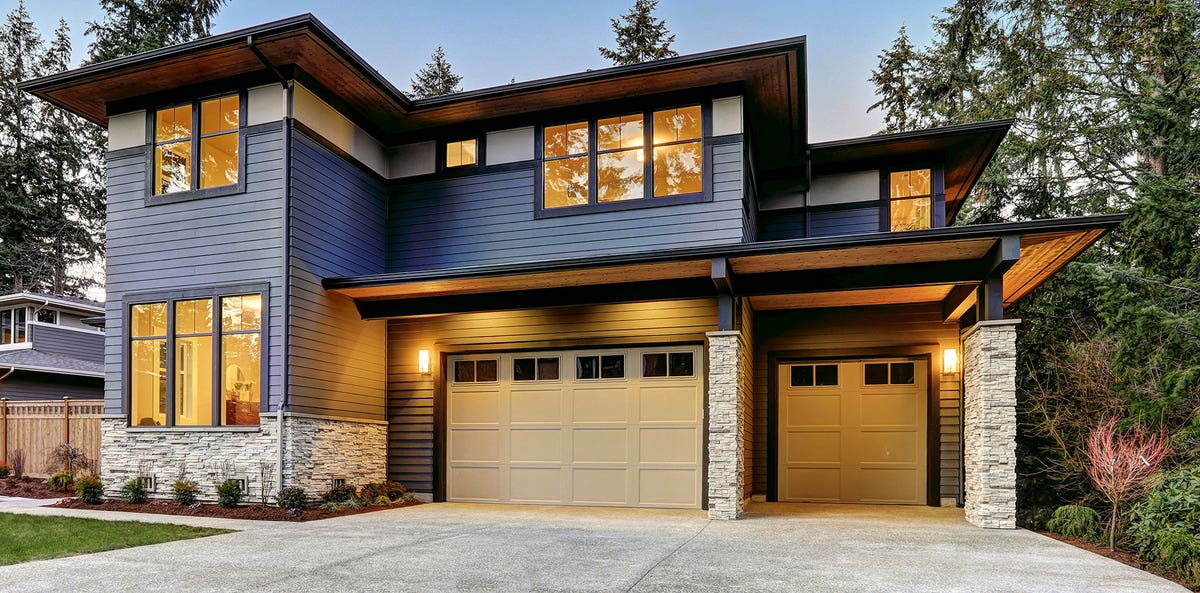

In 2025, Maricopa, AZ has emerged as one of the most appealing options for homebuyers seeking affordability and growth potential within the Greater Phoenix metropolitan area. According to recent market trends, home prices in Maricopa are approximately 30% lower than those found in Phoenix. This significant price gap has prompted many buyers to explore Maricopa as a place to live, invest, and establish roots. This article analyzes the factors driving this price difference and examines the economic, social, and development trends shaping both markets.
Looking for your dream home in Arizona? MaricopaHomesForSale.com offers the latest listings, expert market insights, and personalized guidance for buyers and sellers. Explore affordable properties in Maricopa, AZ, compare prices, and find the perfect fit for your lifestyle. Start your home search today with MaricopaHomesForSale.com, your trusted local real estate resource.
Comparative Market Overview: Maricopa vs. Phoenix
Phoenix, as Arizona’s largest city and capital, continues to be a magnet for job seekers, businesses, and new residents. Its popularity has driven demand—and prices—upward over several years. As of 2025, the median home price in Phoenix stands well above the $400,000 benchmark.
Conversely, Maricopa, located about 35 miles south of downtown Phoenix, offers median home prices in the low-to-mid $300,000 range. This puts Maricopa’s housing market roughly 30% below Phoenix, making it a much more affordable alternative for young families, first-time buyers, and those seeking value.
Key Drivers of the Price Gap
1. Geographic and Development Differences
Maricopa’s location, formerly characterized by open desert and agricultural lands, has experienced rapid but comparatively recent development. Limited commercial infrastructure and fewer urban amenities, coupled with longer commute times to Phoenix’s employment centers, help keep real estate prices lower. Phoenix, on the other hand, benefits from decades of development, well-established neighborhoods, transit access, and a wealth of entertainment and cultural offerings.
2. Inventory and Demand Trends
Phoenix faces tighter inventory with high demand from both local buyers and out-of-state transplants. Maricopa’s settings allow for larger lot sizes and new construction developments, creating more availability and moderating price growth. The area continues to attract buyers looking to escape central Phoenix’s rising costs without sacrificing proximity to the metro region.
3. Lifestyle and Amenities
Maricopa neighborhoods, while increasingly equipped with schools, shopping centers, and parks, still lag behind Phoenix in terms of dining, nightlife, and public transportation. This affects demand from buyers wanting walkability and immediate access to city amenities—keeping Maricopa’s price point lower.
4. Investment and Land Costs
The cost of land in Maricopa remains affordable compared to land within Phoenix city limits. Developers pass these savings on to buyers, contributing to the area’s more attractive home prices.
Who Is Buying in Maricopa?
The 2025 Maricopa home market sees robust activity from:
- First-time buyers priced out of Phoenix
- Retirees seeking peaceful surroundings and manageable living costs
- Investors hoping to benefit from future appreciation as development accelerates
- Families drawn by new schools and suburban amenities
The area’s affordability, coupled with a growing supply of new homes and neighborhood amenities, appeals to a broad range of buyers.
Future Prospects for Maricopa
With ongoing investment in infrastructure, commercial growth, and improved transportation links to Phoenix, Maricopa’s real estate market is poised for steady appreciation. While the price gap is expected to remain, increased demand and continued development could gradually narrow the divide.
Buyers interested in value, space, and long-term growth see Maricopa as a smart alternative to Phoenix. As the region evolves, Maricopa could offer even greater returns to those willing to trade some conveniences for affordability and future potential.
Conclusion
Maricopa AZ’s home prices, 30% below Phoenix in 2025, reflect differences in development, demand, lifestyle, and land costs. The area’s appeal as an accessible, growth-oriented alternative continues to gain traction with buyers who prioritize price, space, and opportunity. For many, Maricopa offers the best of both worlds—a foothold in the fast-growing Greater Phoenix region at a cost well below the metro’s premium.