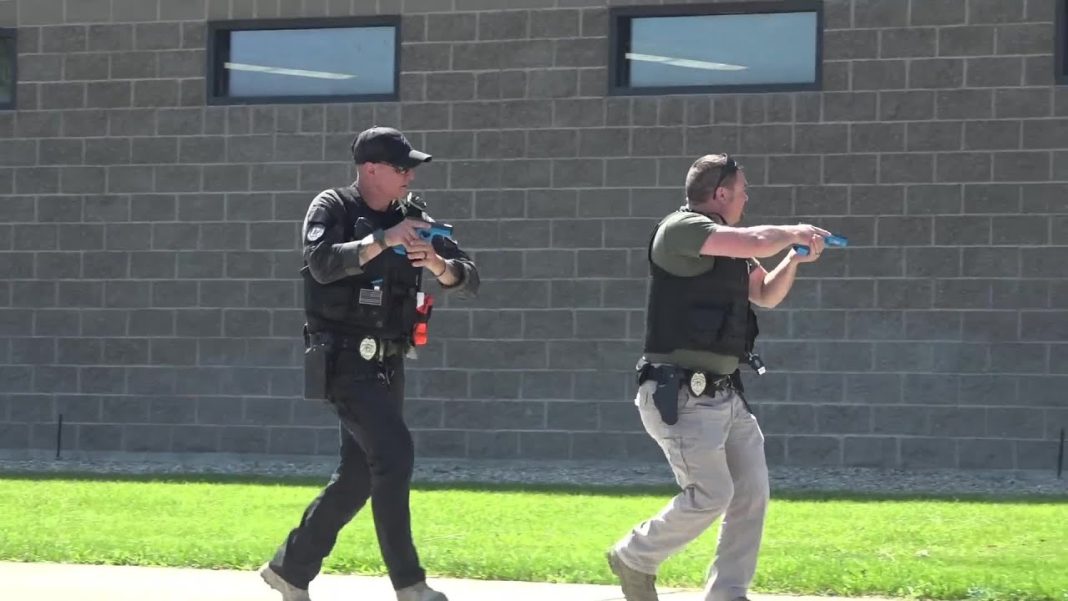

Leadership and organization are essential during emergency incidents. Fire service professionals who want to advance into supervisory and command roles often pursue ics 300 florida training and online fire officer classes. These educational programs help firefighters develop the knowledge, decision-making skills, and leadership abilities needed to manage complex emergency situations.
As fire departments face increasingly challenging incidents, advanced leadership training has become a key part of professional development. Firefighters who complete these programs are better prepared to lead teams, coordinate resources, and support public safety operations.
Understanding ICS 300 in Florida
ICS 300 stands for Intermediate Incident Command System training. The course is designed for emergency responders who may take on leadership roles during larger or more complex incidents.
In Florida, ICS 300 training is commonly required for fire officers, emergency managers, and other public safety professionals. The course expands on the principles introduced in basic Incident Command System training and focuses on managing incidents that involve multiple resources and operational sections.
Participants learn how to organize personnel, establish command structures, and maintain effective communication throughout an emergency response.
Why ICS 300 Training Matters
Large-scale emergencies require more than technical firefighting skills. Leaders must coordinate teams, allocate resources, and make critical decisions under pressure.
ICS 300 training teaches students how to manage incidents efficiently while maintaining accountability and safety. The course provides a structured framework that helps agencies work together during disasters, hazardous materials incidents, severe weather events, and major fires.
Strong command skills can improve operational effectiveness and reduce confusion during emergency situations.
Key Topics Covered in ICS 300 Florida Courses
ICS 300 programs cover advanced incident management concepts that prepare students for leadership responsibilities.
Common topics include:
- Incident Command System organization
- Resource management techniques
- Incident Action Plan development
- Unified command operations
- Incident complexity assessment
- Operational briefing procedures
- Multi-agency coordination
- Documentation and reporting
Students often participate in practical exercises that simulate real-world emergency scenarios. These activities help reinforce classroom concepts and improve decision-making skills.
Exploring Online Fire Officer Classes
Online fire officer classes provide a convenient option for firefighters seeking leadership education. These courses allow students to complete training without the scheduling challenges associated with traditional classroom programs.
Many online programs offer flexible learning schedules that accommodate shift work and family commitments. Coursework is typically delivered through digital learning platforms featuring video lectures, assignments, quizzes, and discussion boards.
This flexibility has made online fire officer education increasingly popular among fire service professionals.
Leadership Development for Fire Officers
Leadership is one of the primary focuses of fire officer training. Future officers must be able to guide personnel, manage operations, and maintain a positive organizational culture.
Online fire officer classes often cover topics such as:
- Leadership theory
- Team development
- Conflict resolution
- Communication strategies
- Employee motivation
- Performance management
- Ethical decision-making
These skills help prepare firefighters for the challenges associated with supervisory positions.
Strategic Planning and Decision-Making
Fire officers are responsible for making important decisions that affect both operational outcomes and firefighter safety. Training programs emphasize strategic thinking and problem-solving techniques.
Students learn how to evaluate situations, identify priorities, and implement effective solutions. Scenario-based exercises encourage critical thinking while exposing participants to realistic leadership challenges.
The ability to make sound decisions quickly is one of the most valuable skills developed through fire officer education.
Benefits of Combining ICS 300 and Fire Officer Training
ICS 300 Florida courses and online fire officer classes complement each other well. ICS 300 focuses on incident management and command systems, while fire officer training addresses leadership and administrative responsibilities.
Together, these programs provide a comprehensive foundation for career advancement. Students gain both operational and managerial skills that can be applied in daily department activities and emergency response situations.
Many departments encourage personnel to complete both forms of training when preparing for promotional opportunities.
Career Advancement Opportunities
Advanced education often plays a significant role in fire service promotions. Departments frequently require leadership training for positions such as Lieutenant, Captain, Battalion Chief, and Training Officer.
Completing ICS 300 and online fire officer classes demonstrates a commitment to professional growth and organizational excellence. These credentials can strengthen promotional applications and improve competitiveness for leadership positions.
Training also helps firefighters prepare for greater responsibility within their departments.
Flexibility and Accessibility of Online Learning
One reason online fire officer classes continue to grow in popularity is accessibility. Firefighters can complete coursework from nearly any location while maintaining their work schedules.
Self-paced learning allows students to review materials as needed and progress through lessons at a comfortable pace. Many programs provide instructor support and opportunities for interaction with classmates.
This learning format makes professional development more achievable for busy emergency service professionals.
Preparing for Future Leadership Roles
The fire service continues to evolve as new technologies, operational strategies, and public safety challenges emerge. Effective leaders must be prepared to adapt while maintaining high standards of performance.
ICS 300 Florida training and online fire officer classes help firefighters build the skills needed for long-term success. Knowledge gained through these programs supports stronger leadership, improved incident management, and more effective team coordination.
Professionals who invest in advanced education often find themselves better prepared for future opportunities within the fire service.
Frequently Asked Questions
What is ICS 300 Florida training?
ICS 300 is an intermediate-level Incident Command System course designed for emergency responders with leadership responsibilities. It teaches advanced incident management, resource coordination, and command organization principles.
Who should take online fire officer classes?
Firefighters interested in supervisory or management positions can benefit from fire officer training. The courses are valuable for individuals preparing for promotions or seeking to strengthen leadership skills.
Are online fire officer classes recognized by fire departments?
Many accredited online fire officer programs are accepted by fire departments and training agencies. Students should verify specific certification requirements with their department before enrolling.
How does ICS 300 help fire service professionals?
ICS 300 improves a responder’s ability to manage complex incidents involving multiple resources and agencies. The training strengthens leadership, communication, and organizational skills needed during emergency operations.