Driving safety is shaped by many factors, but none are as consistently overlooked as the condition of your car tyres. They are your vehicle’s only point of contact with the road, responsible for maintaining grip, stability, braking performance, and overall control. Yet many drivers fail to monitor them regularly—especially tyre pressure, which is a major contributor to on-road accidents, tyre failures, and fuel inefficiency.
This is where an air pressure indicator becomes invaluable. Today’s drivers have access to advanced technology that makes tyre maintenance easier than ever, ensuring safer journeys and better performance with minimal effort. In this guest post, we’ll explore why tyre pressure matters, how an indicator enhances road safety, and why every driver should upgrade their car-care routine.
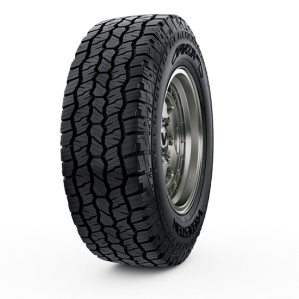
Why Tyre Pressure Matters More Than You Think
The performance of your car tyres is directly affected by their pressure. When the pressure drops too low or rises too high, you compromise your vehicle’s ability to function safely. Proper tyre inflation matters for several reasons:
1. Enhanced Road Grip and Traction
Your tyres need optimal contact with the road surface to maintain grip. Under-inflated tyres reduce the contact patch, causing instability and difficulty in controlling the vehicle during turns or sudden braking. Over-inflated tyres, on the other hand, reduce surface contact even further, leading to poor road handling.
A simple air pressure indicator helps you catch these deviations early, ensuring your tyres maintain the right level of firmness for ideal traction.
2. Improved Fuel Efficiency
Did you know low tyre pressure can reduce fuel economy significantly? When your car tyres are under-inflated, they create more rolling resistance, forcing your engine to work harder. This results in fuel wastage and unnecessary expenditure. A properly inflated tyre, monitored with the help of an air pressure indicator, helps you conserve fuel and contribute to sustainable driving.
3. Longer Tyre Lifespan
Tyres don’t come cheap, especially premium ones. Improper pressure accelerates uneven wear, diminishing the life of your car tyres. Continuous use of an air pressure indicator ensures you maintain optimal pressure, helping you avoid premature tyre replacements and saving costs over time.
4. Reduced Risk of Blowouts
One of the biggest dangers on the road is a tyre blowout. Sudden pressure loss or excessive pressure buildup can lead to explosive failure of a tyre—something that happens frequently during long highway drives or in hot weather. Monitoring pressure with an air pressure indicator drastically reduces this risk.
How an Air Pressure Indicator Works
Modern air pressure indicator devices are designed to be user-friendly. They come in two main forms:
1. Manual Indicators
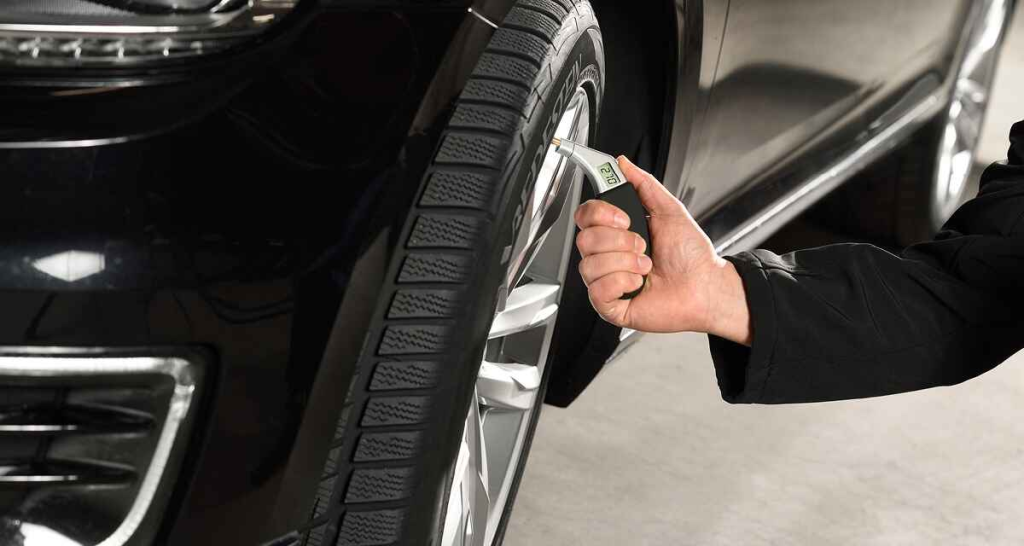
These are traditional pressure gauges that you place on the tyre’s valve to get an instant reading. They are cost-effective, portable, and easy to use.
2. Digital or Smart Indicators (TPMS)
Newer vehicles often come equipped with a Tire Pressure Monitoring System (TPMS), which provides real-time pressure updates directly on the dashboard. Aftermarket digital indicators are also available for older vehicles. These smart devices alert you instantly when tyre pressure drops below or rises above recommended levels.
Regardless of the type, both offer a reliable way for drivers to stay informed about the condition of their car tyres.
How Air Pressure Indicators Improve Driving Safety
The significance of an air pressure indicator becomes clear when you understand how deeply tyre performance affects your daily commute.
1. Better Braking Control
Braking efficiency depends largely on tyre contact with the road. Correctly inflated car tyres ensure the shortest possible stopping distance. An indicator helps you maintain optimal pressure at all times, which can be life-saving in emergencies.
2. Stability on Highways and Turns
Tyres with correct pressure behave predictably. You’ll notice better vehicle stability at high speeds, especially on highways or sharp turns. An air pressure indicator gives you the assurance that your tyres are ready for the road, no matter the terrain.
3. Safety in Extreme Weather
Hot weather increases tyre pressure, while cold weather can reduce it drastically. Without an indicator, you may unknowingly drive with pressure levels far from ideal. Monitoring with an air pressure indicator helps you adjust instantly and stay safe across seasons.
4. Prevents Tyre-Related Breakdowns
A significant percentage of roadside breakdowns are linked to tyre issues. With timely readings from an air pressure indicator, you can avoid these hassles entirely.
When Should You Check Your Tyre Pressure?
Keeping an eye on your car tyres doesn’t have to be complicated. Experts recommend checking tyre pressure:
- At least once every two weeks
- Before long, highway trips
- During seasonal weather changes
- When carrying heavy loads
- If your vehicle feels unstable or sluggish
If your indicator alerts you to low or high pressure, adjust immediately. Every vehicle manufacturer specifies an ideal tyre pressure range—usually printed on the inside of the driver’s door or in the manual. Maintaining this range is essential for optimal performance.
The Role of Technology in Modern Tyre Maintenance
The rise of digital vehicle accessories has made tyre care more convenient than ever. Features such as Bluetooth-enabled indicators and smartphone apps allow you to monitor tyre pressure remotely. This automation ensures precise readings and timely alerts.
Your car tyres benefit greatly from such digital monitoring solutions, especially if you travel frequently, live in extreme climates, or manage multiple vehicles.
Common Mistakes Drivers Make with Tyre Pressure
Despite the simplicity of tyre maintenance, many drivers still make avoidable mistakes:
1. Ignoring Indicator Alerts
Some drivers disregard alerts from their air pressure indicator, thinking they can delay the fix. This is a major safety risk.
2. Filling Tyres by Guessing
Assuming what “feels right” is never accurate. Always use recommended values.
3. Only Checking Pressure After a Problem Occurs
Prevention is better than a cure. Regular checks ensure safe and smooth driving.
4. Ignoring Spare Tyre Pressure
Your spare tyre also needs attention. An indicator can help check its pressure before emergencies.
Choosing the Right Air Pressure Indicator
When choosing an air pressure indicator, consider:
- Accuracy of readings
- Ease of use
- Durability
- Digital features (if needed)
- Compatibility with your tyres
Reliable monitoring tools help you extract the best performance and longest life from your car tyres.
Conclusion
Your vehicle’s safety, comfort, performance, and efficiency all depend on the health of your car tyres. Using an air pressure indicator ensures your tyres remain in optimal condition, reducing risks and enhancing your overall driving experience. Whether you’re a daily commuter or an occasional driver, tyre pressure monitoring should be a non-negotiable part of your vehicle maintenance routine.
For drivers looking for superior tyre quality, durability, and safety, Vredestein Tyres offers premium tyre solutions that complement your efforts to maintain perfect tyre pressure and maximize driving safety.