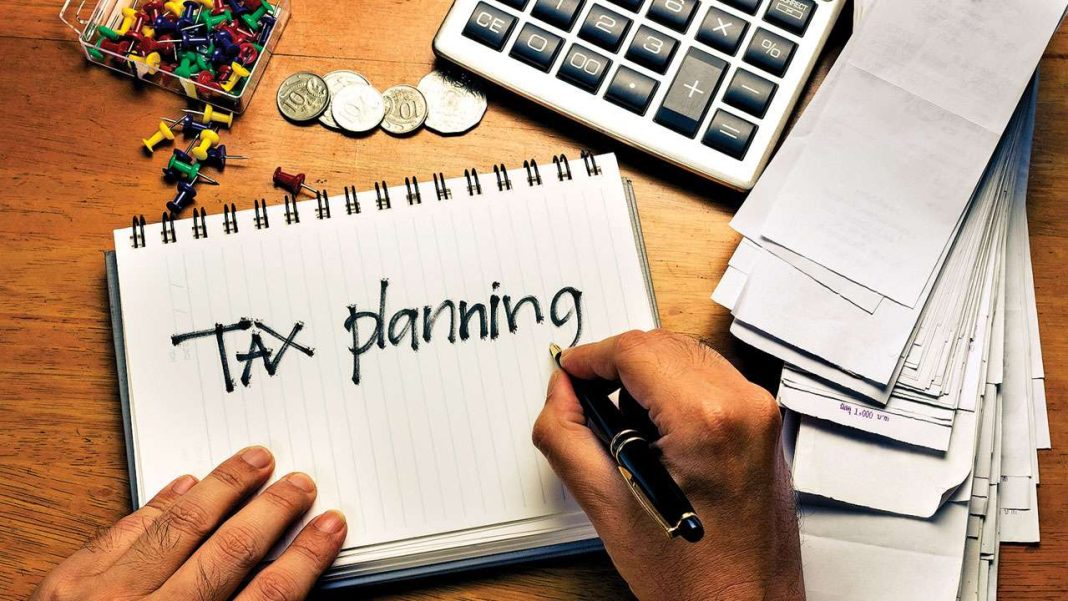

The majority of people think about taxes just when the deadline approaches. Usually, all the options are already determined at that point. The income has been earned, the expenses spent, and the choices are limited. This is the reason why early tax planning is so important. It allows you time to take the right actions that will result in real savings.
Tax planning for big savings is not about deceit or taking shortcuts. It is about comprehending and tracking your money’s yearly movement, and then making decisions that legally and ethically lower your tax burden. When it is prepared ahead of time, tax planning enables individual taxpayers to retain a larger portion of the money they earn and not be caught off guard at the end of the tax period.
The article here will walk you through the concept of early tax planning, its working process, and the reason why it is a big difference to start earlier.
What Early Tax Planning Means
Planning Before the Deadline
Early tax planning implies examining your taxes some months before the deadline. Rather than hurrying in March or April, you go through your income, outgoings, and potential deductions over the entire year.
This gives you time to adjust. You can change savings habits, plan expenses, or set aside money for taxes before it becomes stressful.
Looking at the Full Picture
Tax planning is more than just filling out the required documents. It evaluates your overall financial situation. This includes various income sources, job changes, side jobs, investments, and family needs.
The Internal Revenue Service clarifies that future planning is beneficial for getting to know the taxpayer’s duties and not committing last-minute mistakes.
Why Early Tax Planning Leads to Big Savings
More Time Means More Options
When you plan early, you have more choices. You can contribute to retirement accounts, track deductible expenses, or adjust withholding. These actions often must happen before the year ends to count.
Waiting too long removes these options. Early planning keeps doors open.
Fewer Costly Mistakes
Mistakes are very common when someone is doing a task in a hurry. If the taxpayer missed a form or forgot to report certain income, it could result in penalties or delays. By planning early, the taxpayer gets the chance to check and re-check the details thoroughly.
Good preparation minimizes the likelihood of the taxpayer getting into paying more than the tax owed.
How Early Planning Helps Different Types of People
Employees With Regular Income
Even with a steady paycheck, tax planning matters. Withholding may be too high or too low. Early review helps adjust it so you are not overpaying or underpaying taxes.
This can improve cash flow during the year.
Self-Employed and Freelancers
Self-employed individuals encounter greater tax responsibility. They typically have to pay taxes in advance and keep a record of their expenditures.
Business owners and freelancers can take advantage of tax planning from the beginning of the year by putting money aside and by not getting big tax bills during the later months. The U.S. Small Business Administration stresses the need for yearly planning in tax obligations.
Families and Growing Households
Families can receive credits for the children they have, their educational expenses, and the cost of caring for them. The installation of a proper plan right from the start will enable one to follow up on and make use of these expenditures.
Marriage, for instance, will drop, or a new baby may bring in tax credits, but these changes will be taken care of smoothly through planning.
Key Areas Where Early Planning Makes a Difference
Retirement Contributions
Contributing to certain retirement accounts can lower taxable income. These contributions usually need to be made before the end of the year.
Early planning helps decide how much to contribute and when.
Tracking Deductible Expenses
Some expenses can reduce taxable income if tracked properly. These may include education costs, charitable donations, or work-related expenses.
Planning early makes it easier to keep records instead of trying to remember everything later.
Managing Investment Income
Selling investments can create tax obligations. Early planning helps time these decisions in a way that may reduce taxes owed.
The U.S. Department of the Treasury provides guidance on how different types of income are taxed.
Reducing Stress During Tax Season
No Last Minute Panic
When planning starts early, tax season feels calmer. Documents are already organized, and numbers are familiar.
This reduces anxiety and gives peace of mind.
More Time to Ask Questions
Early planning allows time to ask questions and understand your return. There is no pressure to rush decisions.
Understanding builds confidence.
Why Professional Tax Planning Helps
Clear Guidance Based on Your Situation
Tax rules can be confusing, and they change often. Professionals stay updated and know how rules apply to real situations.
According to the Government Accountability Office, understanding tax rules helps reduce filing errors.
Professional guidance helps individuals plan with confidence.
Personalized Planning, Not Guesswork
Everyone’s tax situation is different. A professional can help create a plan that fits your income, goals, and family needs.
This personal approach leads to better results than guessing or copying advice from others.
Common Mistakes Early Planning Helps Avoid
Underestimating Taxes Owed
Many people underestimate how much they owe, especially with side income. Early planning helps calculate realistic amounts and avoid penalties.
Missing Opportunities to Save
Without planning, people often miss deductions or credits they qualify for. Early review helps catch these opportunities.
How Early Tax Planning Supports Long-Term Goals
Better Control Over Money
By planning, the individual is able to understand what their money is spent on, thereby contributing to a judgment on what to spend or save. This, in turn, aligns taxes with long-term goals like planning a family’s home or education fund.
Building Better Financial Habits
Early planning encourages regular review instead of once-a-year stress. Over time, this leads to better organization and confidence.
When to Start Tax Planning
Earlier Than You Think
The best time to start planning is now. Even small steps early in the year can make a difference.
Waiting until tax season limits options.
Checking In Throughout the Year
Tax planning is not a one-time task. Regular check-ins help adjust for changes in income or life events.
Conclusion
Early tax planning is a highly efficient method to lower taxes and to avoid the strain of last-minute filing. Tax planning for big savings is effective as it provides time, clarity, and control. It guides people to make wise decisions rather than hasty ones.
Taxes can be taxing, but with proper planning, they will not only be less taxing but also more difficult to predict.
In case you require assistance in planning plus ensuring proper taxation, professional guidance could be the factor that really changes the game. CPATaxvisory gives their trustworthy help to enable individuals to plan ahead and file with supreme assurance.