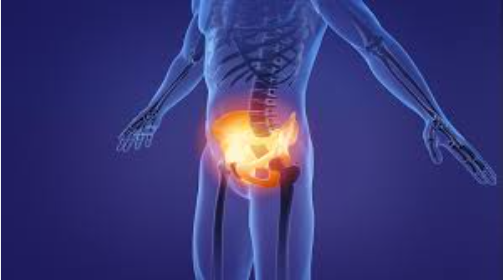

Recovery is not just about healing the incision. It is also about calming nerves, restoring movement, and building daily habits that keep pain from settling back in. The goal after pelvic surgery is simple. Heal well, move smart, and catch small problems early before they grow into Chronic Pelvic Pain again.
Keep Follow-Ups and Share a Simple Symptom Log
Regular reviews matter. Note pain scores, triggers, sleep, bowel habits, and activity in a small diary. Bring it to clinic visits so patterns are easy to spot and treat. The best hysterectomy surgeons like straightforward logs because they speed decisions and stop guesswork. If pain spikes, changes side, or arrives with fever, heavy bleeding, or foul discharge, contact the team promptly.
Protect Your Pelvic Floor
Even with keyhole surgery, pelvic floor muscles can tighten through guarding. A women’s health physiotherapist can assess tone, strength, and coordination, then teach breathing, down-training, and graded activation.
Gentle diaphragmatic breathing, supported squats, and relaxed hip openers help reduce tension that feeds Chronic Pelvic Pain. Avoid long holds, sit for shorter periods, and change positions often in the first weeks.
Move Daily, But Pace It
Short, regular walks beat one big push. Use a simple 10 percent rule. Increase time or steps by about 10 percent per week if pain stays within a mild, settling range. Add light mobility for hips and lower back.
If symptoms flare beyond your usual baseline for more than a day, step back to the previous level and try again. The best hysterectomy surgeons often recommend a staged plan for walking, light strength work, and return to household tasks.
Care for the Scar and the Skin
Once cleared by the team, start gentle scar massage with clean hands and a plain, non-perfumed moisturiser. Small, slow circles help desensitise the area and keep tissues flexible. Watch for redness, heat, or spreading tenderness. Scar care is not about force. It is about regular, light contact that teaches nerves the area is safe. This can lower the risk of local sensitivity that can contribute to Chronic Pelvic Pain.
Support Bowels and Bladder
Constipation is a common pain trigger. Drink enough water, aim for fibre from fruit, vegetables, oats, and pulses, and consider a short course of stool softener if advised. Do not strain. A footstool under your feet can help.
Urinary urgency or burning needs medical review. Good habits here reduce pelvic muscle guarding and help the gains you make with physio last.
Sleep, Stress, and Gentle Nervous System Care
Poor sleep amplifies pain signals. Create a simple routine. Dim lights, avoid heavy meals late, and keep a regular bedtime. Short, guided relaxation or breathing sessions calm the system and make tissues less reactive.
Many patients find that ten quiet minutes, twice a day, lowers background tension. The best hysterectomy surgeons often pair physical rehab with these small habits because they protect results long after the wound has healed.
Food That Helps Healing
Focus on basics. Protein with each meal for tissue repair, colourful plants for micronutrients, and healthy fats from olive oil, nuts, and seeds. If certain foods bloat or aggravate bowels, adjust gently rather than adopting strict, stressful diets. Consistency wins. Good hydration plus balanced meals can lower inflammation that fuels Chronic Pelvic Pain.
Know When to Ask for Extra Help
If endometriosis, adhesions, or nerve-related pain were part of the picture, early review is wise if symptoms creep back. Targeted medication, trigger point work, or nerve-directed therapies can stop a spiral. Do not wait months. Early input can prevent a return to entrenched Chronic Pelvic Pain and protect the gains from surgery.
Final Thought
Strong recovery is built from small, repeatable actions. Keep appointments, move a little every day, protect your pelvic floor, care for the scar, and sleep well.
These simple steps, paired with timely reviews, give the best chance of staying comfortable. With clear guidance from the best hysterectomy surgeons, plus steady self-care, many people return to work, exercise, and intimacy with confidence.