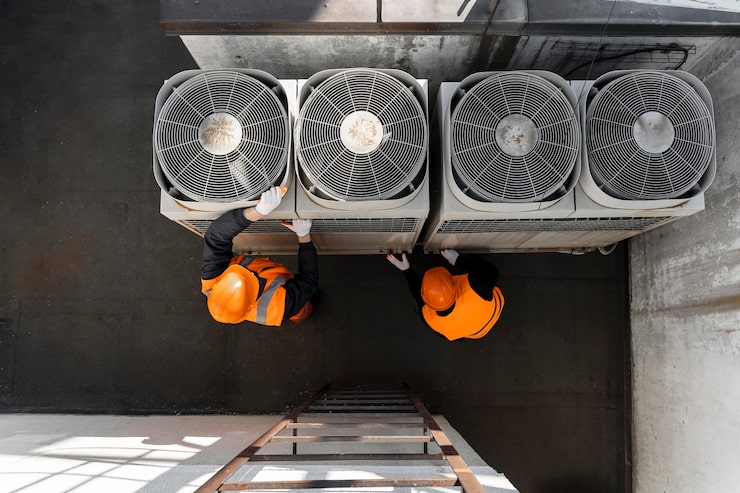

Heating and cooling systems play a critical role in commercial buildings, yet they’re often overlooked until something goes wrong. Unlike residential systems, commercial HVAC equipment supports larger spaces, heavier usage, and more complex operational demands. When performance slips, the consequences can affect employees, customers, inventory, and operating costs all at once.
For business owners and property managers, the key to reliable indoor comfort isn’t reacting to problems—it’s developing a proactive HVAC strategy that aligns with the needs of a commercial environment.
How Commercial HVAC Differs From Residential Systems
Commercial HVAC systems are designed to handle larger square footage, higher occupancy, and longer operating hours. They often include rooftop units, zoning controls, advanced ventilation, and integrated automation systems.
Because of this complexity, commercial systems face challenges such as:
- Greater wear due to continuous operation
- Higher energy consumption and demand charges
- More points of potential failure
- Increased compliance and safety considerations
A minor issue in a commercial system can escalate quickly if left unaddressed, making preventative planning essential.
The Hidden Costs of Reactive Maintenance
Many businesses rely on a reactive approach—calling for service only when something breaks. While this may seem cost-effective short term, it often leads to higher expenses over time.
Reactive maintenance can result in:
- Emergency repair premiums
- Unplanned downtime or business disruption
- Shortened equipment lifespan
- Increased energy bills due to inefficiency
- Discomfort complaints from staff or customers
In contrast, a proactive HVAC plan focuses on identifying and resolving small issues before they impact daily operations.
Why System Downtime Impacts More Than Comfort
In commercial settings, HVAC failures can have ripple effects far beyond temperature control. Depending on the industry, system downtime may affect:
- Employee productivity and morale
- Customer experience and retention
- Sensitive equipment or inventory
- Compliance with workplace or safety standards
For example, poor airflow or temperature imbalance in an office can reduce focus and efficiency. In retail or hospitality spaces, uncomfortable conditions may shorten visits or harm brand perception.
The Role of Preventative Maintenance in Commercial Settings
Preventative maintenance is the foundation of an effective commercial HVAC strategy. Scheduled inspections and servicing help ensure systems operate as designed throughout the year.
A comprehensive commercial maintenance plan typically includes:
- Seasonal performance inspections
- Cleaning coils, drains, and air handlers
- Testing electrical components and controls
- Checking airflow balance and zoning
- Identifying worn parts before failure
This approach helps stabilize operating costs and reduces the likelihood of disruptive breakdowns during peak business hours.
Energy Efficiency as a Business Advantage
Energy costs represent a significant portion of overhead for many commercial properties. Inefficient HVAC systems often account for a large share of unnecessary energy consumption.
Improving efficiency can lead to:
- Lower monthly utility expenses
- Reduced strain on equipment
- More consistent indoor temperatures
- Improved sustainability metrics
Small adjustments—such as calibrating controls, upgrading thermostats, or optimizing airflow—can make a noticeable difference over time.
Choosing the Right Commercial HVAC Partner
Not all HVAC providers are equipped to handle commercial-scale systems. Businesses benefit from working with professionals who understand the operational demands, scheduling constraints, and technical complexity of commercial environments.
A qualified commercial HVAC provider should offer:
- Experience with various building types and system configurations
- Flexible scheduling to minimize business disruption
- Clear documentation and service reporting
- Long-term planning support, not just repairs
For businesses evaluating service options, learning more about commercial hvac San Antonio solutions can provide helpful context on what professional commercial HVAC support typically includes.
Planning for Growth and System Longevity
Commercial HVAC systems are long-term investments. As businesses grow, spaces are renovated, or occupancy changes, HVAC needs often evolve. A proactive strategy accounts for future demands rather than simply maintaining the status quo.
Forward-looking HVAC planning may involve:
- Assessing whether existing equipment is properly sized
- Evaluating system scalability
- Planning phased upgrades instead of full replacements
- Integrating modern controls or monitoring tools
This type of planning helps businesses avoid sudden capital expenses and supports smoother transitions as operational needs change.
When Replacement Becomes the Smarter Option
Even well-maintained systems eventually reach the end of their effective lifespan. Frequent repairs, declining efficiency, or outdated technology may signal that replacement is more cost-effective than continued fixes.
Factors that influence replacement decisions include:
- Age and condition of existing equipment
- Cost and frequency of repairs
- Energy efficiency performance
- Availability of replacement parts
An informed evaluation allows business owners to weigh short-term costs against long-term savings and reliability.
Conclusion
Commercial HVAC systems are too important to manage reactively. A proactive approach—focused on maintenance, efficiency, and long-term planning—helps businesses maintain comfort, control costs, and reduce operational risk.
By understanding how commercial systems differ from residential ones and prioritizing preventative care, business owners and property managers can protect their investments and support smooth daily operations year-round.