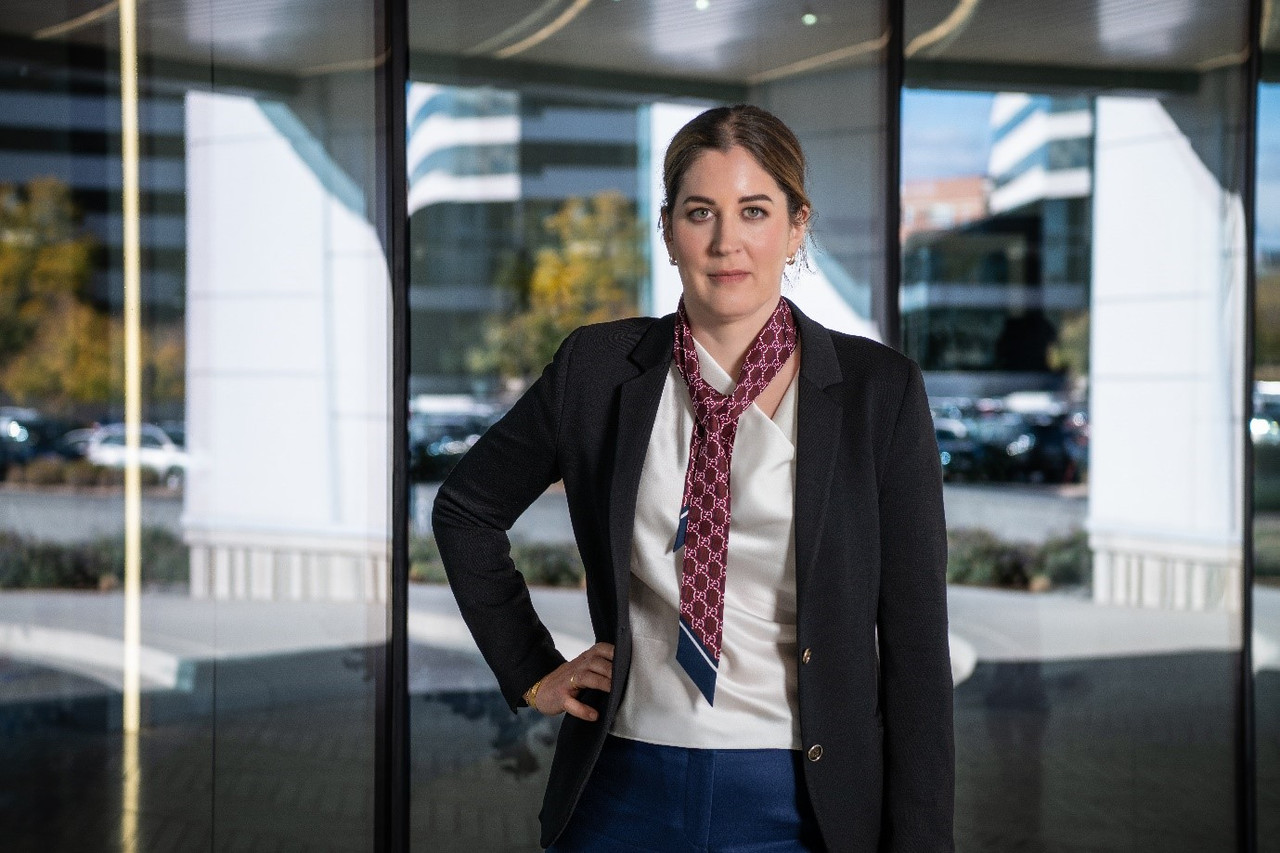
From Public Defender Intern to Solo Practitioner
The journey from law school to establishing a thriving solo practice is one filled with challenges, uncertainty, and calculated risks. For Kimberly Diego, a Denver-based criminal defense attorney, that journey began in the classrooms and clinics of the University of Colorado School of Law and led to the creation of The Law Office of Kimberly Diego, a boutique criminal defense firm that has served clients across Colorado for more than a decade.
Diego’s path into criminal defense was not accidental. While pursuing her Juris Doctor at the University of Colorado, she immersed herself in the Criminal Defense Clinic, a hands-on program that allowed law students to represent actual clients under faculty supervision. This experience gave her early exposure to the realities of defending individuals accused of crimes, from client consultations to courtroom advocacy. She supplemented this clinical work with an internship at the Colorado State Public Defender’s Office, an institution known for handling high-volume caseloads and providing rigorous training to young lawyers. These formative experiences helped shape her understanding of criminal procedure, trial strategy, and the human dimensions of defense work.
After earning her law degree in 2008 and gaining admission to the Colorado bar the same year, Diego made the decision to open her own practice rather than join an established firm or continue in the public sector. This choice reflected both her confidence in her abilities and her desire to build a practice aligned with her values and vision. Solo practice offers autonomy and the ability to shape client relationships directly, but it also demands entrepreneurial skills, financial risk-taking, and the willingness to handle every aspect of a law firm, from case strategy to administrative details.
The Law Office of Kimberly Diego was established in Denver, with a physical office located at 899 Logan Street, Suite 103, a downtown address that has remained consistent across legal directories and firm materials. From this base, Diego developed a practice devoted exclusively to criminal defense, handling cases throughout the Denver metropolitan area and across Colorado. Her statewide scope includes representation in jurisdictions such as Aurora, Boulder, Brighton, Broomfield, Castle Rock, Colorado Springs, Englewood, Fort Collins, Lakewood, Thornton, Westminster, and Wheat Ridge.
Building a practice area portfolio in criminal defense requires both breadth and depth. Diego’s firm offers representation across a wide spectrum of criminal charges, from misdemeanors to serious felonies. Her practice areas include DUI and DWAI defense, domestic violence cases, white-collar crime, violent crime charges such as assault, drug offenses, theft and fraud allegations, sex-crime defense, juvenile matters, computer and cybercrime cases, and protection order disputes. This comprehensive approach allows her to serve clients facing virtually any type of criminal allegation under Colorado law.
In addition to trial-level representation, Diego’s practice extends to pre-charge investigations and post-conviction matters. Representing clients during investigations, before formal charges are filed, can be a critical phase in criminal defense. Early intervention by an attorney can sometimes prevent charges from being filed or shape the charges in a more favorable way. On the other end of the timeline, Diego also handles criminal appeals and other post-conviction matters, providing continuity of representation for clients who wish to challenge convictions or sentences.
A Bilingual Practice Serving Diverse Communities
One of the distinguishing features of Diego’s practice is her fluency in Spanish and her commitment to serving both English-speaking and Spanish-speaking clients. This linguistic capability is not merely a professional asset but a reflection of her personal background and cultural connections.
Diego was born in Houston, Texas, but spent significant portions of her youth living abroad. According to her biographical profiles, she lived in Argentina, Colombia, and Puerto Rico, where she attended middle and high school. These experiences exposed her to different legal systems, cultural norms, and communities, and allowed her to develop fluency in Spanish. Her ties to both North and South America have informed her approach to client service and her understanding of the challenges faced by immigrant communities and Spanish-speaking individuals navigating the American legal system.
Before attending law school, Diego earned a Bachelor of Arts in English Literature from Georgetown University in 2001. This humanities background provided her with strong analytical and communication skills, which are essential for effective legal writing and oral advocacy. After completing her undergraduate education, she relocated to Colorado, where she would eventually attend law school and build her legal career.
Diego’s membership in the Colorado Hispanic Bar Association and the Hispanic National Bar Association reflects her engagement with Latino legal professionals and her commitment to serving Hispanic communities. Her profile on the Colorado Hispanic Bar Association member directory describes her practice as a boutique criminal defense firm and emphasizes her language skills and educational credentials. In a state like Colorado, where a significant portion of the population speaks Spanish as a first language, having an attorney who can communicate fluently in Spanish can make a critical difference in the attorney-client relationship. It allows for more nuanced discussions of legal strategy, clearer explanations of rights and options, and a deeper level of trust and understanding.
The importance of language access in criminal defense cannot be overstated. Criminal defendants have a constitutional right to understand the proceedings against them, and while courts provide interpreters, having an attorney who speaks the client’s language directly can enhance the quality of representation. It allows for confidential conversations without the need for a third party, facilitates quicker communication during critical moments in court, and helps attorneys better understand the cultural context that may be relevant to a case.
Diego’s bilingual practice also positions her to serve as a bridge between communities and the legal system. Many Spanish-speaking individuals may feel intimidated by the criminal justice system or may lack familiarity with their rights. By offering services in Spanish and maintaining ties to Hispanic legal organizations, Diego has built a practice that is accessible to a broader range of clients.
Recognition, Professional Development, and Client Education
Sustaining a solo criminal defense practice over more than a decade requires not only legal skill but also professional visibility, ongoing education, and client outreach. Diego has achieved recognition from several legal rating and membership organizations, which can serve as markers of professional standing and help potential clients identify qualified attorneys.
She has been named to the Super Lawyers Rising Stars list, a distinction she received in both 2012 and 2019. The Rising Stars designation is given to attorneys who are typically 40 years old or younger or who have been practicing for 10 years or less, and it is based on peer recognition and professional achievement. While such honors are not equivalent to independent journalism or formal credentials, they do reflect a level of visibility and reputation within the legal community.
Diego is also included among the member profiles of The National Trial Lawyers, an organization that highlights attorneys involved in trial practice. Her profile notes her Colorado admission year and educational background, reinforcing her credentials as a criminal defense litigator. Additional listings include recognition by Elite Lawyer and profiles on platforms such as Martindale-Hubbell and Avvo, where she has received peer endorsements from other criminal defense attorneys.
Beyond formal recognition, Diego has invested in client education and public engagement. Her law firm website includes a blog covering a range of Colorado criminal law topics, including court procedure, appeals, juvenile charges, domestic violence law, self-defense issues, and other practice-related subjects. These blog posts serve multiple purposes. They provide accessible information to individuals who may be facing criminal charges or who want to understand their rights, they demonstrate Diego’s knowledge and expertise, and they contribute to the firm’s online presence and search visibility.
Diego has also participated in podcast-style legal marketing and interview platforms, where she discusses criminal law issues and her defense philosophy. These appearances allow her to reach potential clients in a different format and to articulate her approach to representation. Additionally, she has answered public legal questions on Justia, a legal information website where attorneys can provide general guidance to users seeking legal information.
Her professional affiliations extend beyond recognition programs to active membership in substantive legal organizations. She is affiliated with the National Association of Criminal Defense Lawyers, the Colorado Criminal Defense Bar, the American Bar Association, the Denver Bar Association, the Colorado Hispanic Bar Association, and the Hispanic National Bar Association. These memberships provide opportunities for continuing legal education, networking with other defense attorneys, and staying current on developments in criminal law and procedure.
Diego’s educational contributions also include a publication titled “La Mano Amiga, La Edad Del Concentimiento,” published in 2010. While details about this publication are limited in available sources, the Spanish-language title suggests it may address legal issues relevant to Spanish-speaking communities.
The Law Office of Kimberly Diego operates as a solo practice, meaning Diego is the sole attorney responsible for all casework and client representation. Solo practitioners often emphasize personalized service, direct communication with clients, and continuity of representation. Diego’s firm offers free initial consultations, a common practice in criminal defense that allows potential clients to discuss their cases and evaluate whether the attorney is a good fit.
The firm’s website highlights case results, practice area pages, client testimonials, and consultation services, providing a comprehensive online resource for individuals seeking legal representation. In an era when most people begin their search for an attorney online, a well-developed website and digital presence are essential tools for client acquisition and education.
Diego’s career illustrates the possibilities and challenges of building a solo criminal defense practice. It requires not only legal expertise but also business acumen, community engagement, cultural competence, and a commitment to ongoing professional development. By focusing on criminal defense, serving a bilingual client base, and maintaining a visible presence in legal and community networks, Diego has created a sustainable practice that reflects her background, values, and professional goals.