
Hip pain can slowly change daily life. Simple actions such as climbing stairs, walking for longer distances, or even sitting comfortably may become difficult when the joint becomes stiff or inflamed.
While surgery is sometimes necessary in advanced cases, many people first explore hip replacement alternatives to reduce pain, improve mobility, and delay invasive procedures. These options usually work best when symptoms are still manageable and the joint retains some movement.
Why Some People Look for Non-Surgical Options
Hip replacement surgery can offer strong relief in severe arthritis, but recovery time, rehabilitation, and age-related concerns often lead people to consider less invasive methods first.
Natural and conservative options are often chosen when:
- Pain is moderate rather than severe
- Joint damage is progressing slowly
- Daily movement is still possible
- Surgery is not immediately recommended
The goal is usually to reduce inflammation, support surrounding muscles, and protect remaining joint function.
1. Strengthening the Muscles Around the Hip
Weak muscles increase pressure on the hip joint. Targeted exercises often improve stability and reduce strain.
Helpful movements include:
- Side leg raises
- Glute bridges
- Gentle standing hip extensions
Strong muscles around the hip often improve how body weight is distributed during walking.
2. Weight Reduction Can Lower Joint Pressure
Even a small reduction in body weight can significantly reduce stress on the hip.
The hip carries several times body weight during movement, especially while climbing stairs or standing up from seated positions.
Less joint pressure often means:
- Lower inflammation
- Easier walking
- Less daily discomfort
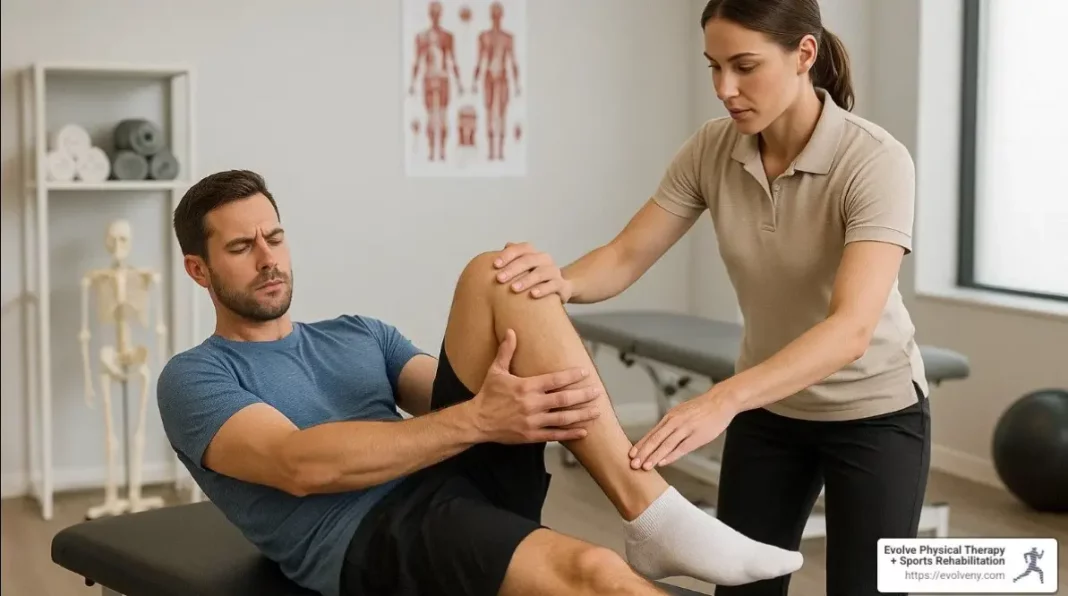
3. Physical Therapy for Controlled Mobility
A structured physical therapy program often improves range of motion while avoiding harmful movement.
A therapist may focus on:
- Flexibility exercises
- Gait correction
- Controlled strengthening
- Balance improvement
This helps protect the joint during daily movement.
4. Heat and Cold Application
Temperature therapy remains one of the simplest natural options.
Heat Helps When:
- Morning stiffness is strong
- Muscles feel tight
Cold Helps When:
- Pain increases after activity
- Swelling appears
Alternating both methods can also help some people.
5. Anti-Inflammatory Food Patterns
Certain dietary choices may help lower overall inflammation.
Common supportive foods include:
- Fatty fish
- Leafy vegetables
- Nuts
- Olive oil
- Turmeric
Reducing heavily processed foods may also help some people manage chronic joint discomfort.
6. Low-Impact Movement Is Better Than Full Rest
Complete inactivity often worsens stiffness.
Better options include:
- Walking on even ground
- Swimming
- Stationary cycling
Low-impact activity keeps circulation active without adding heavy joint stress.
7. Assistive Support Can Protect the Joint
Simple support tools often reduce pain during daily movement.
Examples include:
- A cane used correctly
- Supportive footwear
- Cushioned insoles
These small adjustments often improve comfort immediately.
8. Sleep Position Matters
Night pain often becomes worse when the hip remains compressed for hours.
Helpful adjustments include:
- Pillow between knees
- Sleeping on the less painful side
- Mattress support that keeps alignment stable
Better night positioning often improves morning mobility.
9. Controlled Supplement Use Under Guidance
Some people discuss supplements with healthcare professionals for joint support.
Common options often explored include:
- Glucosamine
- Omega-3 fatty acids
- Vitamin D when deficient
Medical guidance remains important before starting regular supplementation.
A Reminder About Lifestyle Simplicity
Health routines often work better when unnecessary complexity is removed. In the same way some people simplify skincare by choosing clean beauty products, joint care also benefits from practical daily habits rather than chasing too many treatments at once.
Final Thought
Natural approaches do not reverse severe joint damage, but they often improve comfort and delay the need for surgery when used consistently.
The best results usually come from combining movement, strength, weight control, and daily joint protection rather than depending on a single method.
Frequently Asked Questions
Yes, in many cases conservative methods such as strengthening exercises, weight control, and physical therapy can reduce pain and improve mobility enough to delay surgery, especially when joint damage is not yet severe.
Low-impact activities such as walking on flat surfaces, swimming, and stationary cycling are usually safer because they keep the joint moving without adding excessive pressure.
If pain becomes constant, sleep is disturbed regularly, walking becomes very limited, or daily activities remain difficult despite treatment, medical reassessment is usually necessary.