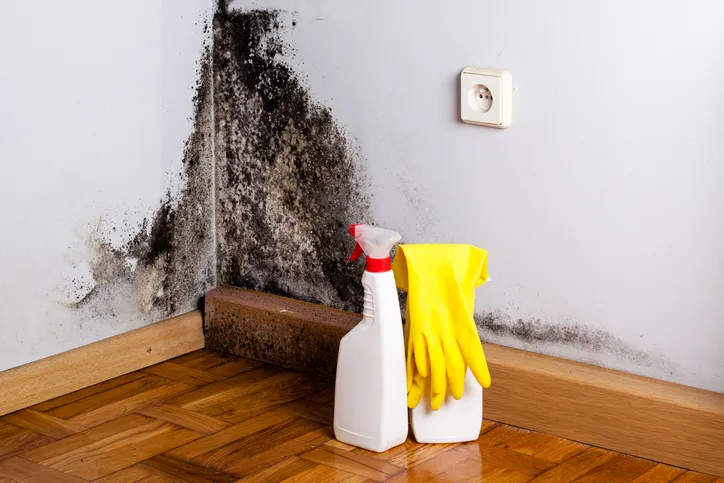

You spot something dark on the wall behind your bathroom cabinet. You are not sure if it is mold, how far it has spread, or whether the air in your home is already affected. Many homeowners jump straight to cleanup without first knowing what they are dealing with. A professional mold inspection service identifies what is present, where it is, and what caused it before any removal begins. Remediation then removes it.
These are two separate services performed by different specialists, and confusing them leads to incomplete fixes, health risks, and expensive repeats. Here is exactly how they differ.
What is a Mold Inspection Service?
A mold inspection is a diagnostic process. It identifies whether mold is present, which species it is, how far it has spread, and what moisture source is feeding it. No mold is removed during an inspection. The goal is information.
What Inspectors Actually Do
Certified inspectors conduct a non-invasive assessment of the property using specialized tools and sampling methods. The process typically takes one to two hours on-site, with lab results returned within three to five days.
Tools and Methods Used
- Visual survey: Walls, ceilings, HVAC systems, crawl spaces, and basements examined for visible growth and moisture staining
- Infrared cameras: Detect hidden moisture behind walls and under floors without any demolition
- Hygrometers: Measure relative humidity levels in affected and surrounding areas
- Air sampling: Captures airborne spore counts to assess contamination levels throughout the home
- Surface swabs and tape lifts: Collect physical samples from visible growth for lab species identification
What the Inspection Report Covers
The final report documents mold species identified, severity levels, exact locations, moisture sources causing the growth, and recommended next steps. This report becomes the roadmap for any remediation work that follows.
What Is Mold Remediation?
Mold remediation is the physical removal and treatment process. It addresses confirmed mold growth by containing the affected area, removing contaminated materials, eliminating the moisture source, and restoring the space to safe, habitable conditions.
The Remediation Process Step by Step
- Containment: Plastic sheeting and negative air pressure isolate the affected area to prevent spore spread during removal.
- Removal: Contaminated drywall, insulation, and materials are removed and disposed of following EPA protocols.
- HEPA vacuuming and antimicrobial treatment: Remaining surfaces are cleaned and treated to kill residual spores.
- Moisture source repair: Leaks, condensation issues, and drainage problems are fixed to prevent recurrence.
- Post-clearance verification: A final test confirms spore levels have returned to safe baseline readings.
How Long Remediation Takes
Scope determines timeline. A small bathroom mold issue may be resolved in one to two days. Extensive mold affecting multiple rooms, HVAC systems, or structural materials can take one to two weeks or longer.
Inspection vs. Remediation: Key Differences
| Aspect | Mold Inspection | Mold Remediation |
| Purpose | Diagnose presence, type, and cause | Remove, treat, and prevent recurrence |
| Methods | Testing, sampling, no physical removal | Physical removal, chemicals, repairs |
| Duration | 1 to 2 hours plus 3 to 5 days lab wait | Days to weeks, depending on the scope |
| Average Cost | $300 to $800 | $1,500 to $10,000 or more |
| Performed By | Certified inspectors | Remediation specialists |
Why Inspection Must Come Before Remediation
Going straight to remediation without an inspection is like performing surgery without a diagnosis. Without knowing the mold species, spread, and moisture source, remediation teams are working blind.
The Risks of Skipping Inspection
- Wrong treatment applied to the wrong mold species
- Hidden growth behind walls left untreated and spreading further
- Moisture source not identified, causing mold to return within weeks
- Health risks from disturbing toxic species like Stachybotrys without proper containment protocols
Why Independent Inspectors Matter
Inspectors and remediation teams are ideally separate. A single company handling both could have an incentive to find extra mold. Independent inspections ensure unbiased results and prevent unnecessary work or inflated costs.
When You Need Each Service
Not every situation requires both services immediately, but knowing when to call for each prevents costly delays.
When to Book a Mold Inspection
- Visible dark spots or discoloration on walls, ceilings, or grout
- Persistent musty smell with no identifiable source
- Recent water damage, flooding, or a plumbing leak
- Unexplained respiratory symptoms or allergic reactions in household members
- Before purchasing a home, especially older properties or those with basement moisture issues
When Remediation Follows
Remediation is only appropriate after a confirmed inspection report. The report dictates the scope, methods, and materials required. As a result, remediation performed without an inspection report is rarely fully effective and frequently leads to recurring growth.
Post-Flood Mold Services
Significant flooding requires both inspection and remediation, even if no mold is visible. Mold can start growing within 24 to 48 hours, often inside walls or under flooring, before it appears.
Why Certification Matters
DIY mold testing kits are common but often unreliable. They detect the presence of mold spores, which exist naturally in all environments, without identifying species, severity, or source. This means DIY results rarely provide the information needed to take meaningful action.
What Certification Ensures
- Compliance with EPA guidelines for inspections and remediation
- Containment procedures to prevent cross-contamination
- Accurate species identification to ensure safe handling
- Documentation suitable for insurance claims and real estate disclosures
A certified mold inspection service also carries liability coverage, which matters significantly if the assessment is later used in a property sale, insurance claim, or legal dispute.
Takeaway
Mold inspection and remediation are two separate services that work together to protect your home. One identifies the problem, and the other resolves it. When done in the right order with certified professionals, the result is a safe and lasting solution rather than a temporary patch that leaves the root cause in place.
Proper inspections and remediation give homeowners clarity, confidence, and peace of mind, knowing that every step from assessment to treatment is handled carefully and effectively. Certified teams ensure that mold is correctly identified, moisture issues are addressed, and your home is restored safely.With services like these, Greenhorn Breckenridge, LLC guides homeowners through the process with lab-backed reports, precise recommendations, and experienced remediation practices, providing a complete view of what is happening in the home and the steps needed to fully resolve it.