
In today’s fast-paced industrial and packaging environments, keeping track of products, assets, and inventory is more important than ever. Radio Frequency Identification, or RFID, is one of the most efficient technologies available for doing just that. If you’ve heard about RFID but aren’t quite sure what it is or how it works, this guide will simplify the basics and show how it integrates with industrial and packaging equipment.
What Is RFID?
RFID stands for Radio Frequency Identification. Essentially, it’s a method of identifying and tracking items using radio waves. Unlike traditional barcodes, which require line-of-sight scanning, RFID tags can be read remotely, even through packaging or multiple layers of materials.
An RFID system usually consists of three main components:
- RFID Tag – a small chip that stores information about the item.
- RFID Reader – a device that sends out radio waves to detect and read the tag.
- Antenna – enables communication between the tag and reader.
This setup allows businesses to track inventory efficiently, reduce errors, and enhance operational productivity.
Pro Tip: When integrating RFID into your workflow, consider the environment. Metal surfaces and liquids can sometimes interfere with signal strength, so proper planning of tag placement is crucial.
How RFID Works
RFID operates on the principle of radio waves to transmit data. When an RFID tag passes near a reader, the reader emits a radio signal that powers the tag (in passive systems) and receives the information stored in the tag. This data is then sent to a central database for processing.
There are two main types of RFID tags:
- Passive RFID Tags: Do not have their own power source and rely on the reader’s signal. They are smaller, cheaper, and widely used in supply chains.
- Active RFID Tags: Have their own battery and can transmit signals over longer distances, suitable for tracking high-value assets or equipment.
RFID can be applied across various industries, including manufacturing, logistics, and retail, enabling better inventory control and faster processing times.
Applications of RFID in Packaging and Industrial Equipment
RFID technology is transforming the packaging and industrial sectors. By combining RFID with other technologies like continuous inkjet, print-n-apply, and packaging equipment, businesses can optimize production lines and enhance traceability.
For example:
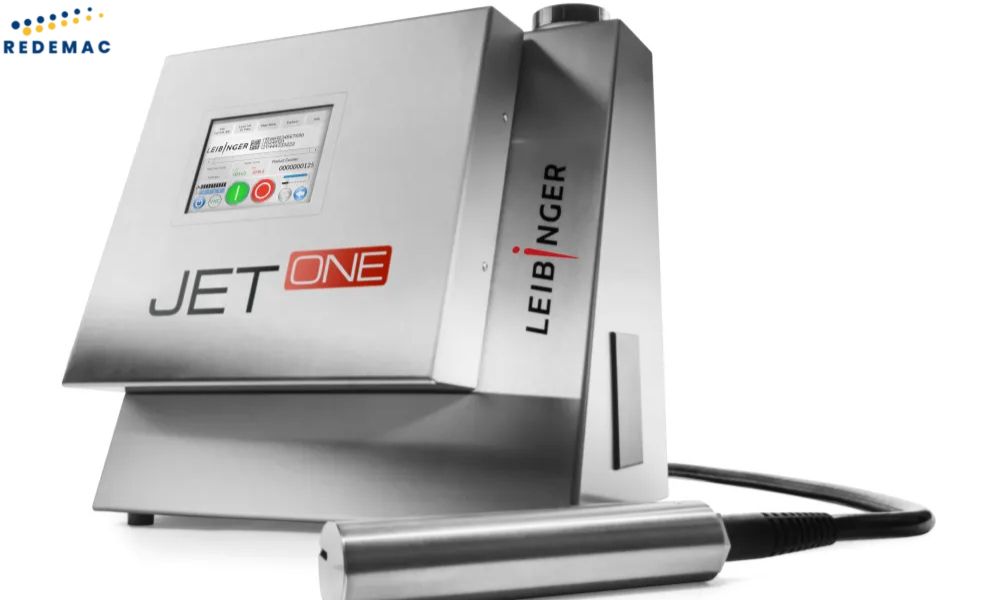
- Continuous Inkjet Printers: These printers are commonly used alongside RFID systems to print product information, batch numbers, or expiration dates on packaging. When paired with RFID, they provide a complete solution for labeling and tracking.
- Print-n-Apply Systems: Automated labeling machines, known as print-n-apply systems, can print labels and apply them to packages in real-time. Integrating RFID ensures that each labeled item is accurately tracked in your inventory system.
- Packaging Equipment: RFID works seamlessly with industrial packaging equipment such as machine sealers, conveyors, and automated sorters. This combination ensures items are labeled, sealed, and scanned efficiently without manual intervention.
Pro Tip: When implementing RFID with packaging equipment, ensure your system supports real-time updates. This avoids errors in inventory tracking and reduces downtime.
Benefits of Using RFID
Investing in RFID technology provides several tangible benefits for industrial and packaging businesses:
- Improved Efficiency: Automated scanning reduces manual labor and speeds up the production process.
- Better Inventory Management: Real-time tracking ensures accurate stock levels and reduces out-of-stock scenarios.
- Enhanced Product Traceability: RFID allows you to trace products from production to delivery, which is crucial for compliance and quality control.
- Reduced Errors: Unlike manual barcode scanning, RFID reduces the chances of mislabeling or misplacement.
- Integration with Existing Equipment: Whether it’s a thermal transfer printer or a machine sealer, RFID can work alongside your current industrial setup.
Integrating RFID with existing systems like continuous inkjet, print-n-apply, and packaging equipment provides a fully automated labeling and tracking solution. This combination streamlines operations, minimizes human error, and supports faster order fulfillment.
Pro Tip: Evaluate the type of tags and readers best suited for your products. Passive tags are ideal for low-cost, high-volume items, while active tags suit high-value equipment tracking.
Common RFID Misconceptions
Despite its widespread use, RFID is often misunderstood. Here are some common myths:
- RFID is just like a barcode: While barcodes need to be scanned line-of-sight, RFID can be read remotely and simultaneously in bulk.
- RFID is expensive: Initial investment may be higher, but long-term efficiency gains and reduced errors often outweigh costs.
- RFID only works in high-tech industries: On the contrary, RFID is used across multiple sectors, from retail to industrial equipment supply chains.
By understanding its capabilities, businesses can leverage RFID alongside their existing machinery for maximum productivity.
How to Integrate RFID with Your Industrial Setup
If you are considering implementing RFID in your workflow, here are some key steps:
- Assess Your Needs: Identify which assets, products, or packaging lines will benefit most from RFID tracking.
- Select Compatible Equipment: Ensure your machine sealer, thermal transfer printer, or continuous inkjet printer supports RFID integration.
- Choose the Right Tags: Passive tags are ideal for short-range tracking, while active tags are better for long-range or high-value items.
- Test and Optimize: Conduct trials to check tag readability and system integration with your packaging equipment.
- Train Your Team: Proper training ensures operators can maintain the system and handle exceptions efficiently.
By following these steps, businesses can fully utilize RFID for better operational control and improved accuracy.
Pro Tip: Regularly maintain your RFID readers and antennas to prevent signal degradation. Cleaning and recalibration every few months can extend system life.
Ready to Upgrade Your Operations with RFID?
At Redemac, we specialize in providing top-quality industrial equipment, packaging solutions, and integration support for technologies like RFID. Whether you’re looking for continuous inkjet systems, print-n-apply labeling machines, or complete packaging equipment setups, we’ve got you covered.
Contact us today to discuss your RFID integration needs, request a quote, or schedule a consultation. Our experts will guide you every step of the way to ensure seamless implementation and operational efficiency.
FAQs About RFID
1. What is the difference between RFID and barcodes?
RFID uses radio waves to read multiple tags simultaneously without line-of-sight, whereas barcodes require manual scanning and visibility.
2. Can RFID work with continuous inkjet printers?
Yes, RFID can integrate with continuous inkjet printers to ensure that items are labeled and tracked in real-time during production.
3. Is RFID compatible with print-n-apply labeling systems?
Absolutely. Print-n-apply systems can work alongside RFID to automate the labeling process while keeping track of inventory.
4. What industries benefit most from RFID?
RFID is useful in packaging, industrial equipment supply, logistics, retail, and manufacturing, offering efficiency and traceability across operations.
5. How can I start implementing RFID in my packaging equipment?
Begin by evaluating your production lines, selecting compatible RFID tags and readers, and integrating them with equipment like thermal transfer printers or machine sealers for automated tracking.