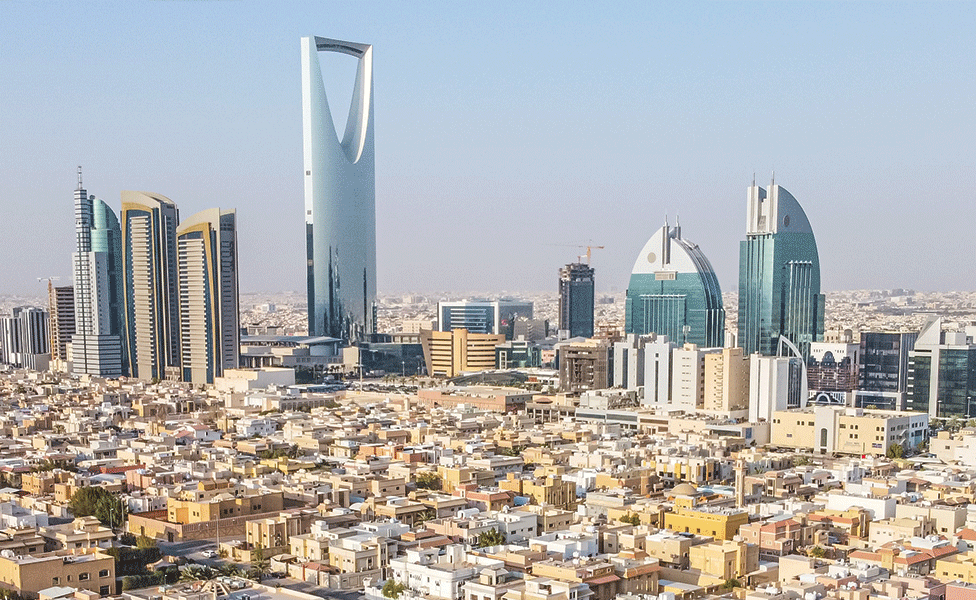

Saudi Arabia Real Estate Market Overview
Market Size in 2024: USD 72.11 Billion
Market Size in 2033: USD 132.65 Billion
Market Growth Rate 2025-2033: 7.0%
According to IMARC Group’s latest research publication, “Saudi Arabia Real Estate Market Size, Share, Trends and Forecast by Property Type and Region, 2025-2033”, The Saudi Arabia real estate market size was valued at USD 72.11 Billion in 2024. Looking forward, IMARC Group estimates the market to reach USD 132.65 Billion by 2033, exhibiting a CAGR of 7.0% during 2025-2033.
Growth Factors in the Saudi Arabia Real Estate Market
- Vision 2030 and Government Housing Programs
Saudi Arabia’s Vision 2030 is transforming the real estate market by prioritizing housing accessibility. The Sakani program, led by the Ministry of Housing, has delivered over 600,000 homes, with 100,000 units handed over to citizens. Subsidized loans with 0% interest rates are boosting homeownership, driving demand. The General Authority for Statistics reports a 7.6% rise in residential rents, signaling robust market activity. Mega-projects like NEOM and Qiddiya are creating new urban centers, increasing property demand nearby. With $200 billion invested in housing initiatives, these efforts are expanding supply and creating jobs, making cities like Riyadh and Jeddah hotspots for developers like Roshn, which is building 30,000 units in Al Arous alone.
- Economic Diversification and Demographic Shifts
The Kingdom’s non-oil GDP growth of 4.9% is fueling real estate demand as the economy diversifies. A population of over 32 million, with 70% under 40, drives housing needs, particularly in Riyadh, where transactions rose 20%. The Regional Headquarters Program is attracting expats, increasing demand for apartments and villas, with 115,000 new homes needed annually, according to Knight Frank. Developers like Dar Al Arkan are launching projects like the 1,000-unit Shams Ar Riyadh to meet this demand. Rising incomes, up 5% on average, are empowering more Saudis to buy properties. This demographic and economic shift is creating a vibrant market, especially in urban centers, as young professionals seek modern, affordable homes.
- Foreign Investment and Regulatory Openness
The Real Estate Ownership and Investment Law, effective January 2026, is opening Saudi Arabia’s property market to foreigners, boosting investment. This reform, part of Vision 2030, allows non-Saudis to buy in cities like Riyadh and Jeddah, driving a 10% surge in real estate stocks and REITs. The market, valued at $74.99 billion, is seeing foreign developers like Emaar Properties plan 5,000 new units. Over 50,000 transactions were recorded in Q2, fueled by land sales and new projects. Tax incentives and low land costs are drawing global players, while the Real Estate General Authority ensures regulatory clarity. This openness is enhancing liquidity and positioning Saudi Arabia as a top destination for real estate investment.
Key Trends in the Saudi Arabia Real Estate Market
- Green and Smart Real Estate Development
Sustainability is reshaping Saudi Arabia’s real estate market, with developers prioritizing eco-friendly designs. Projects like NEOM’s The Line use solar energy and smart tech, cutting energy costs by 15%. Over 30% of new developments target LEED certification, appealing to buyers willing to pay 8% more for green homes, per CBRE. Roshn’s Sedra project in Riyadh integrates AI-driven systems like smart lighting, boosting property values by 10%. The Saudi Green Initiative encourages sustainable materials, with 20,000 green homes built. This trend aligns with Vision 2030’s focus on livable cities, driving demand for energy-efficient properties in urban hubs like Jeddah, where buyers seek modern, tech-savvy homes that reduce environmental impact.
- Mixed-Use Urban Developments
Mixed-use communities are gaining traction, blending residential, commercial, and leisure spaces. Diriyah Gate, backed by a $1.53 billion PIF contract, includes 3,000 homes and attracts 500,000 visitors yearly. These projects cater to young Saudis, with 60% preferring walkable neighborhoods, per Mordor Intelligence. Roshn’s Al Arous in Jeddah, with 2,500 homes, offers schools and retail, increasing sales by 25%. About 40% of new developments now incorporate mixed-use elements, reflecting a shift toward vibrant, connected lifestyles. This trend is reshaping cities like Dammam, where urban density is rising, and creating investment opportunities as developers like Al Rajhi Real Estate build integrated communities to meet evolving consumer demands.
- Demand for Affordable Housing
Affordable housing is a major trend, driven by programs like Sakani, which has financed 400,000 homes with loans up to SAR 500,000. First-time buyers and young families, making up 65% of demand, are fueling this segment. Developers like Al Rajhi Real Estate are launching projects like the 2,000-unit Al Jawhara in Dammam, priced 20% below market rates. Transaction volumes for affordable units jumped 15% in Q2, per CBRE. The SME Bank’s SAR 1.5 billion in financing is empowering buyers, while 60% homeownership reflects progress. This trend is strong in secondary cities like Madinah, where affordable villas are in high demand, meeting the needs of a growing middle class.
Download a sample PDF of this report: https://www.imarcgroup.com/saudi-arabia-real-estate-market/requestsample
Saudi Arabia Real Estate Industry Segmentation:
The report has segmented the market into the following categories:
Analysis by Property Type:
- Residential Real Estate
- Apartments
- Villas
- Others
- Commercial Real Estate
- Offices
- Retail
- Hospitality
- Others
Regional Insights:
- Northern and Central Region
- Western Region
- Eastern Region
- Southern Region
Competitive Landscape:
- Abdul Latif Jameel
- Dar Ar Alkan
- Emaar
- Jabal Omar Development Company
- Jenan Real Estate Company
- Kingdom Holdings Company
- SEDCO Development (SEDCO Holding)
The competitive landscape of the industry has also been examined along with the profiles of the key players.
Future Outlook
Saudi Arabia’s real estate market is poised for explosive growth, fueled by Vision 2030’s $200 billion housing investments and a demand for 115,000 homes annually. Riyadh, with 70% of transactions, will lead, while Jeddah and NEOM emerge as key hubs. The 2026 foreign ownership law could attract $10 billion in FDI, boosting market liquidity. Developers like Roshn and Emaar plan 10,000 new units, with 30% targeting affordable segments. Challenges like rising rents, up 7.6%, and land scarcity persist, but 5,000 km of new infrastructure and projects like Diriyah Gate will ease constraints. Withretrofit With 38% of commercial registrations from youth-led firms, innovation is surging, positioning the Kingdom as a global real estate powerhouse.
Research Methodology:
The report employs a comprehensive research methodology, combining primary and secondary data sources to validate findings. It includes market assessments, surveys, expert opinions, and data triangulation techniques to ensure accuracy and reliability.
Note: If you require specific details, data, or insights that are not currently included in the scope of this report, we are happy to accommodate your request. As part of our customization service, we will gather and provide the additional information you need, tailored to your specific requirements. Please let us know your exact needs, and we will ensure the report is updated accordingly to meet your expectations.
About Us:
IMARC Group is a global management consulting firm that helps the world’s most ambitious changemakers to create a lasting impact. The company provide a comprehensive suite of market entry and expansion services. IMARC offerings include thorough market assessment, feasibility studies, company incorporation assistance, factory setup support, regulatory approvals and licensing navigation, branding, marketing and sales strategies, competitive landscape and benchmarking analyses, pricing and cost research, and procurement research.
Contact Us:
IMARC Group
134 N 4th St. Brooklyn, NY 11249, USA
Email: [email protected]
Tel No:(D) +91 120 433 0800
United States: +1-631-791-1145