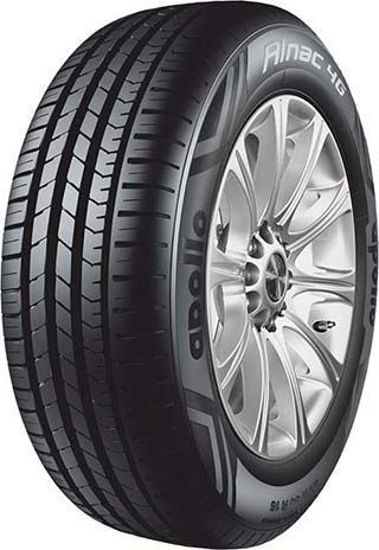

In today’s fast-evolving automotive landscape, safety, efficiency, and comfort are more important than ever. Modern car owners expect their vehicles to offer advanced features that protect them on the road while enhancing overall driving performance. Among the most valuable innovations is the tyre pressure monitor system, a smart feature designed to continuously track tyre pressure and alert drivers to potential issues before they become dangerous. As cars become more technologically advanced, this system has transitioned from a luxury feature to a critical safety essential.
Maintaining the correct car tyre air pressure is fundamental not just for vehicle safety but also for performance, fuel efficiency, and tyre lifespan. This makes the tyre pressure monitor system an indispensable tool for every modern driver.
What Is a Tyre Pressure Monitor System?
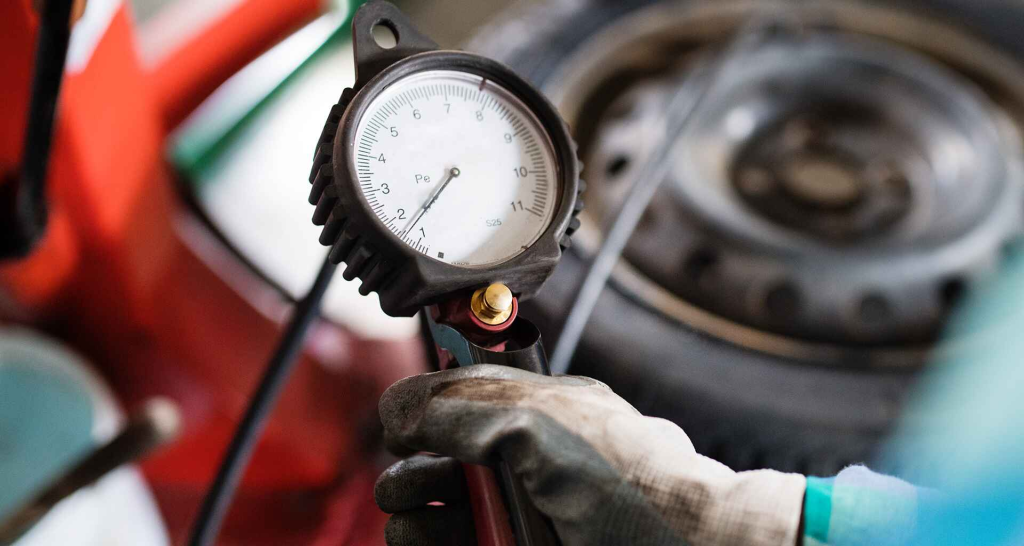
A tyre pressure monitor system (commonly referred to as TPMS) is an onboard electronic system that measures the air pressure inside your tyres and alerts you if the pressure drops below the recommended level. The goal is simple: prevent accidents, improve fuel efficiency, and protect your tyres from damage caused by improper pressure.
There are two primary types of TPMS:
1. Direct TPMS
This system uses pressure sensors installed inside each tyre to measure car tyre air levels in real time. The readings are transmitted to the dashboard, where drivers can see exact pressure values.
2. Indirect TPMS
Instead of using physical sensors, this system relies on wheel-speed data from the ABS. A tyre with low air pressure rotates differently, triggering the TPMS warning light.
Both types play an essential role in helping drivers maintain correct tyre pressure and avoid potential hazards.
Why Tyre Pressure Matters More Than You Think
Tyres are the only part of your vehicle that physically touches the road, which makes maintaining proper air pressure a top priority. Incorrect car tyre air pressure can cause several problems:
1. Reduced Fuel Efficiency
Underinflated tyres create more rolling resistance, forcing the engine to work harder and consume more fuel. Even a slight pressure drop can reduce mileage significantly.
2. Increased Tyre Wear
Driving with low pressure causes uneven tread wear, shortening tyre lifespan and increasing maintenance costs.
3. Poor Handling and Control
Steering response, braking stability, and cornering ability all depend on correct tyre pressure. Low car tyre air pressure reduces control and increases stopping distance.
4. Risk of Tyre Bursting
Incorrect pressure—especially severe underinflation—can cause tyre overheating, leading to dangerous blowouts.
5. Safety Hazards
More than 70% of road accidents linked to tyre failure occur due to improper air pressure. A tyre pressure monitor system significantly reduces this risk.
How the Tyre Pressure Monitor System Works
A modern TPMS is designed to continuously collect data, analyze tyre performance, and alert drivers instantly. Here’s how it works:
Step 1: Monitoring Air Pressure
Sensors measure internal air pressure every few seconds. In direct TPMS, these sensors also track temperature, which influences air density.
Step 2: Data Transmission
The system wirelessly sends pressure readings to the vehicle’s onboard computer.
Step 3: Dashboard Alert
If any tyre’s car tyre air pressure falls below 25% of the recommended level, a warning symbol illuminates on the dashboard.
Step 4: Driver Action
The driver can then stop and inspect the tyre, refill air, or visit a service centre for assistance.
This simple yet highly efficient process helps prevent accidents and ensures optimum performance.
Key Benefits of a Tyre Pressure Monitor System
A tyre pressure monitor system is no longer just a convenience—it’s a standard safety feature in modern cars. Here are its essential advantages:
1. Enhanced Road Safety
By alerting drivers before tyre pressure drops dangerously low, TPMS significantly reduces the risk of blowouts and skidding.
2. Better Fuel Economy
Maintaining perfect car tyre air pressure ensures low rolling resistance, helping drivers save fuel.
3. Longer Tyre Life
Properly inflated tyres experience less stress and wear, extending their lifespan naturally.
4. Improved Comfort and Stability
A car with correctly inflated tyres provides a smoother and more stable driving experience.
5. Environment-Friendly
Better fuel efficiency reduces carbon emissions, and longer tyre life means less tyre waste.
6. Reduced Maintenance Costs
Preventing premature tyre wear or blowouts can save drivers from expensive repairs and replacements.
Common Reasons for Low Tyre Pressure
Understanding why tyre pressure drops helps drivers appreciate the value of a tyre pressure monitor system even more.
1. Temperature Changes
Air expands in heat and contracts in cold weather. Sudden shifts can drastically affect pressure.
2. Small Leaks
Tiny punctures can slowly reduce acar tyre air pressure without any visible warning.
3. Valve Stem Damage
Old, worn-out valve stems often cause air leakage.
4. Regular Use
Tyres naturally lose 1–2 PSI each month due to normal road use.
5. Overloading
Carrying heavy loads increases pressure on tyres and speeds up air loss.
A TPMS ensures drivers detect these issues early.
Signs Your Car Needs TPMS Support
Even without a system installed, certain warning signs indicate tyre pressure issues:
- Steering feels unusually heavy
- The car pulls to one side
- Increased fuel consumption
- Excessive vibrations
- Reduced braking efficiency
If you notice these symptoms, you likely need a proper tyre pressure monitor system or immediate tyre inspection.
Should You Install an External TPMS in Older Cars?
If your vehicle is an older model without a built-in TPMS, installing an external one is highly recommended. Here’s why:
1. Cost-Effective Safety
External systems are affordable yet offer real-time pressure monitoring.
2. Easy Installation
Most systems attach to valve caps or display pressure through a mobile app.
3. Improved Driving Confidence
Knowing your car tyre air is at the correct level reduces stress and improves safety.
4. Increased Tyre Durability
External systems help track pressure consistently, giving tyres a longer life.
How to Maintain the Ideal Car Tyre Air Pressure
Even with a TPMS, regular maintenance ensures optimal performance. Here are expert tips:
1. Check Pressure Frequently
While TPMS alerts you to low pressure, checking your tyres manually once a month is still good practice.
2. Follow Manufacturer Recommendations
Every car model has a specific recommended tyre pressure, usually listed in the owner’s manual or door frame.
3. Avoid Overinflation
Too much air pressure reduces grip, causes bouncing, and leads to uneven wear.
4. Inspect for Leaks
If your TPMS frequently alerts you, inspect the tyre for punctures or valve damage.
5. Keep Tyres Clean
Debris can damage valve caps or affect pressure readings.
Maintaining proper car tyre air levels ensures maximum safety and efficiency.
Future of Tyre Pressure Monitoring: What to Expect in 2025 and Beyond
As automotive technology advances, the tyre pressure monitor system is becoming more intelligent and efficient. Here’s what the future holds:
1. Smart TPMS Sensors
Next-gen sensors will include advanced features like self-charging, temperature monitoring, and AI-based alerts.
2. Integration with Car Apps
Future cars will sync tyre pressure data with smartphones for easy access and maintenance reminders.
3. Predictive Alerts
AI-enabled TPMS will detect patterns of air loss and predict future punctures or failures.
4. Enhanced Safety Regulations
More countries are expected to mandate TPMS installation in all new vehicles.
The future of tyre safety technology looks promising, making driving safer and more convenient.
Conclusion
A tyre pressure monitor system is more than a modern car accessory—it is a vital safety tool that protects drivers, passengers, and tyres. By maintaining correct car tyre air levels, TPMS enhances fuel efficiency, improves handling, prevents dangerous blowouts, and prolongs tyre lifespan. As 2025 approaches, the demand for smarter and more reliable TPMS solutions will continue to rise.
For those seeking dependable, durable, and high-performance tyres, Apollo Tyres remains a trusted name in the automotive industry, offering exceptional tyre technology designed to support modern TPMS features and ensure safer journeys for every driver.



