
Wondering how often parking lots should be sealcoated? The answer is: usually every 2–3 years. Why? Because ealcoating protects asphalt from cracking, fading and water damage. It also blocks chemicals like oil or salt from sinking in and breaking the surface.
But it’s not just about looks. A well-maintained lot lasts longer & costs less over time. Applying sealcoat too early could just waste your money. Whereas waiting too long risks expensive repairs. Hence knowing the right timing helps businesses plan commercial parking lot maintenance without stress. This guide explains how often to sealcoat. And the key factors that decide the schedule.
Frequency of Parking Lot Sealcoating
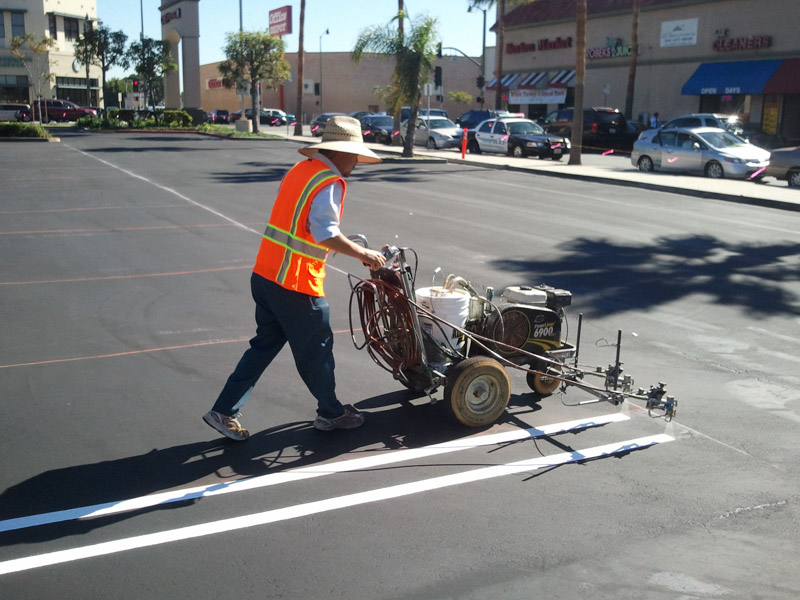
Most commercial lots should be sealcoated every 2–3 years. New asphalt gets its first coat about 12 months after paving, letting it cure properly. And after that, following a regular schedule keeps the pavement strong & safe. Sealcoating is a recurring maintenance step. Because asphalt loses natural oils & becomes brittle as it ages.
Top Factors Affecting Parking Lot Sealcoating Frequency
Not every parking lot wears the same way. Several things decide when you should sealcoat.
1. Traffic Volume
More vehicles mean more wear. Cars make general wear… but trucks, delivery vans, and buses? They grind the surface faster. Tire weight and movement can wear the protective layer and that too, quickly.
Key idea: Busy lots may need sealcoating every 2 years. Whereas quieter lots can stick with 2–3 years. Watch for shiny patches, cracks, or worn spots. They tell you when it’s time.
2. Climate and Weather Stressors
Weather wears asphalt fast. Hot sun causes it to dry and crack. Freezing water expands cracks, and rain can weaken the surface. Even small temperature swings matter.
Tip: Extreme weather may mean sealcoating every 1.5–2 years. Mild climates can stick to 2–3 years. Then seasonal changes should guide your schedule.
3. Age and Condition of Pavement
Older asphalt loses oils and becomes brittle. Gray or rough surfaces, small cracks, or visible stones show the surface is wearing down.
Tip: Pavement with visible damage needs sealcoating sooner. Early care stops cracks from spreading. And it saves money compared to repairing large damage later.
4. Quality of Previous Sealcoat Application
The type of sealer and how it’s applied matters. Professional-grade coatings last longer than cheap or DIY options. Uneven or thin layers fail faster.
Tip: High-quality sealcoat can last the full 2–3 year interval. Poor applications may need touch-ups sooner.
5. Drainage and Water Exposure
Water is asphalt’s enemy. Standing water or puddles weaken the binder and cause cracks or potholes. Low spots, drains, and uneven surfaces are extra vulnerable.
Tip: Fix drainage issues before sealing. Lots with frequent water exposure may need more frequent coats. And proper drainage extends sealcoat life.
6. Chemical Exposure
Parking lots face oil, gas, brake fluid, and de-icing salts. These chemicals eat away at asphalt and break down the protective layer.
Simple tips for protection:
- Clean spills quickly
- Use absorbent materials for oil spots
- Apply extra sealcoat in high-chemical areas
Tip: Chemical exposure can shorten sealcoating intervals. Keep watch for stains or damage to decide when to reapply.
Read More: Why Is My Parking Lot Cracking
7. Sunlight and UV Exposure
Sun causes asphalt to oxidize, turning it gray and brittle. Lots in full sun age faster than shaded areas.
Tip: Lots with heavy sun exposure may need sealcoating every 1.5–2 years, while shaded lots can follow the normal schedule. Then monitoring sun damage keeps asphalt protected.
8. Planned Upgrades or Repairs
If you’re resurfacing, repainting lines, or adding curbs, timing matters. Sealcoating too early can be wasted. Doing it afterward protects new surfaces.
Tip: Coordinate sealcoating with other work. Plan it after major repairs or upgrades for maximum benefit.
Read More: How Long Does Parking Lot Paving Take
Summary
Sealcoating is essential to keep parking lots safe & durable. Hence the standard schedule is every 2–3 years. However the traffic, weather, pavement age, drainage, chemicals, sunlight and planned upgrades all affect timing.
Regular checks prevent serious damage and save money. By applying sealcoat at the right intervals, you extend the life of asphalt, reduce repairs & maintain a professional look. And consistent commercial parking lot maintenance ensures your lot stays durable & appealing year after year. Proactive care beats reactive repairs every time.
Common Questions
Can I sealcoat a new parking lot?
Yes. But wait roughly a year. This gives the asphalt time to cure properly. Then the sealcoat sticks better and protects the surface longer.
How do I know when my lot needs sealcoating?
Look for gray patches, small cracks, or shiny worn spots. But these are signs the protective layer is wearing off. And if you see them, it’s time to coat.
Will sealcoating completely prevent cracks?
No. But it slows down damage. Heavy trucks, chemicals, or extreme weather can still cause cracks. Sealcoating keeps your lot safer longer.
Can I do sealcoating myself, or should I hire someone?
You can do it yourself. But professionals get better results. Then the coating is even, lasts longer, and protects your asphalt properly. DIY might save money. But it can wear unevenly.
Read more- informational blogs