

From Transportation Fleets to Mining Operations: The Growing Role of Fuel Treatment Technology
In the demanding world of heavy industry, where equipment downtime can cost thousands of dollars per hour and fuel expenses represent a substantial portion of operational budgets, the science of fuel treatment has evolved from a niche consideration to a critical component of fleet management strategy. Companies operating in trucking, construction, mining, and marine transportation have increasingly turned to advanced fuel additive technologies to address the twin challenges of rising operational costs and stringent environmental regulations. Among the solutions that have gained traction in these sectors are specialized fuel treatments designed to optimize combustion efficiency, reduce harmful deposits, and extend the operational life of expensive machinery.
The CleanBoost brand, manufactured by Combustion Technologies USA in Sandy, Utah, represents a significant development in this evolving field. Since the mid-1990s, these products have been deployed across both on-road and off-road applications, addressing the complex challenges faced by operators of diesel and gasoline engines in some of the most demanding environments imaginable. The technology has found particular relevance in industries where equipment must perform reliably under extreme conditions, often running continuously for extended periods without the luxury of frequent maintenance windows.
The fundamental premise behind fuel treatment additives is straightforward, yet the chemistry involved is remarkably sophisticated. Modern engines, particularly diesel engines used in heavy equipment, operate under extraordinary stress. Fuel injectors must deliver precisely metered amounts of fuel at pressures that can exceed 30,000 pounds per square inch. Combustion chambers reach temperatures hot enough to melt many metals. Under these conditions, even small impurities in fuel or minor inefficiencies in combustion can lead to the formation of carbon deposits, varnish buildup, and other contaminants that progressively degrade engine performance.
These deposits create a cascading series of problems. Clogged fuel injectors deliver fuel in poorly atomized sprays, leading to incomplete combustion. This incomplete combustion wastes fuel, reduces power output, and creates additional deposits in a self-reinforcing cycle of degradation. Over time, these accumulated deposits can lead to costly repairs, unplanned downtime, and premature engine failure. For a mining operation running a fleet of haul trucks that can cost millions of dollars each, or a trucking company operating on thin profit margins, these inefficiencies represent both immediate operational costs and long-term capital expense risks.
Fuel treatment additives address these challenges through multiple mechanisms. Detergent compounds work to clean existing deposits from fuel injectors and combustion chambers, restoring the engine closer to its original performance specifications. Combustion improvers help fuel burn more completely, extracting more energy from each gallon while simultaneously reducing the formation of new deposits. Fuel stabilizers prevent degradation of stored fuel, which is particularly important for backup generators, seasonal equipment, and fuel storage facilities that may hold diesel or gasoline for extended periods.
The Science of Combustion Efficiency and Its Economic Impact
Understanding the economic impact of fuel treatment technology requires examining the specific mechanisms through which these products influence engine operation. When fuel enters an engine cylinder, it must be vaporized, mixed with air, and ignited in a precise sequence. The quality of this combustion process directly determines how much of the fuel’s chemical energy converts into useful mechanical work versus being wasted as excess heat or unburned hydrocarbons.
In an ideal combustion scenario, each molecule of hydrocarbon fuel would combine with exactly the right amount of oxygen, producing only carbon dioxide, water vapor, and energy. Reality, of course, is messier. Real-world combustion produces a complex mixture of products, including partially burned hydrocarbons, carbon monoxide, particulate matter, and various nitrogen compounds. The difference between ideal and actual combustion efficiency represents not just wasted fuel, but also increased emissions and accelerated engine wear.
Research into fuel additive technologies has demonstrated that certain formulations can measurably improve combustion efficiency under controlled testing conditions. These improvements manifest in several ways. More complete combustion means more energy extracted from each gallon of fuel, directly reducing fuel consumption. Cleaner combustion produces fewer deposits, reducing the rate at which injectors become clogged and combustion chambers become fouled. Lower deposit formation means extended intervals between maintenance procedures, reducing both direct maintenance costs and the opportunity costs associated with equipment downtime.
For industries operating on large scales, these improvements compound dramatically. A trucking fleet operating hundreds of vehicles across millions of miles annually can realize substantial savings from even modest improvements in fuel efficiency. A one percent improvement in fuel economy for a fleet consuming ten million gallons of diesel annually represents savings of 100,000 gallons, which at typical commercial diesel prices translates to hundreds of thousands of dollars. When combined with reduced maintenance costs and extended equipment life, the economic case becomes even more compelling.
The mining industry presents a particularly instructive case study. Mining equipment operates under some of the harshest conditions imaginable, often running continuously in environments filled with dust, extreme temperatures, and contaminated fuel supplies. A single large haul truck might consume hundreds of gallons of fuel per day. For mining operations in remote locations, fuel logistics represent a major challenge and expense, with fuel sometimes costing significantly more than at conventional commercial sources due to transportation costs to remote sites.
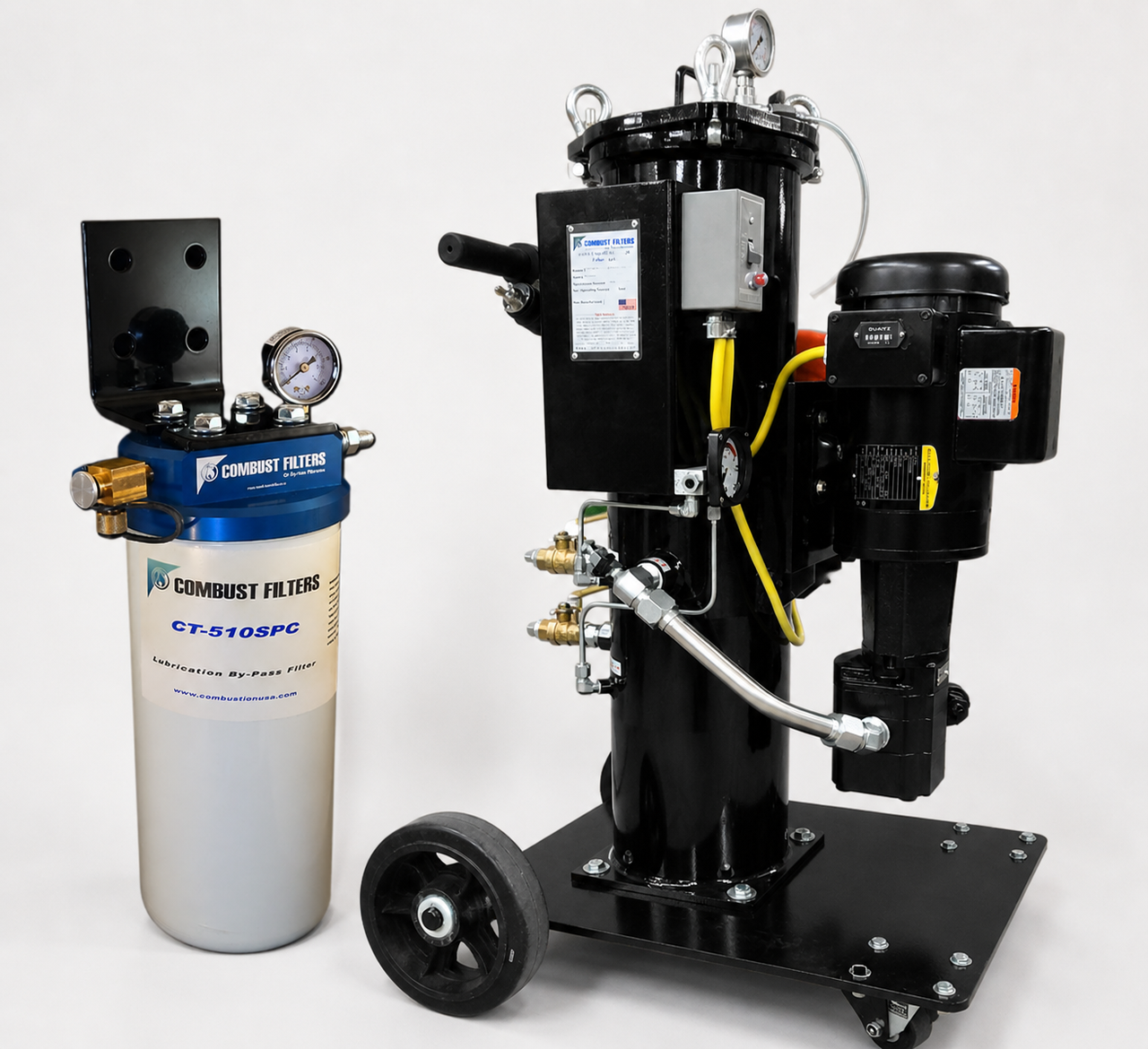
In such environments, the reliability and efficiency of each piece of equipment takes on outsized importance. An unexpected breakdown of a critical haul truck or excavator can halt production across an entire operation, with costs measured in hundreds of thousands of dollars per day. Preventive maintenance strategies that extend equipment life and reduce the likelihood of catastrophic failures deliver value far beyond simple fuel savings. This is where comprehensive fuel treatment programs, combined with advanced filtration systems and specialty lubricants, create measurable value for operators.
Environmental Standards and the Push Toward Cleaner Operations
Beyond the immediate economic considerations, environmental regulations have become an increasingly important driver of fuel additive adoption across heavy industries. Diesel engines, while extremely efficient and durable, have historically produced significant emissions of particulate matter and nitrogen oxides, both of which pose serious health and environmental concerns. Regulatory agencies worldwide have progressively tightened emissions standards, forcing operators to find ways to reduce the environmental impact of their fleets.
Modern diesel engines incorporate sophisticated emissions control systems, including diesel particulate filters, selective catalytic reduction systems, and exhaust gas recirculation. These systems can effectively reduce emissions, but they also add complexity, cost, and maintenance requirements. Moreover, these emissions control systems themselves can be negatively affected by poor fuel quality or inefficient combustion, creating situations where contaminated fuel or excessive deposits can actually increase emissions despite the presence of advanced control technology.
Fuel treatment additives that improve combustion efficiency can complement these emissions control systems by reducing the formation of pollutants at the source. More complete combustion inherently produces fewer particulate emissions and unburned hydrocarbons. Cleaner fuel systems ensure that engines operate within their designed parameters, allowing emissions control systems to function as intended. For operators facing strict emissions compliance requirements, these benefits can be as valuable as the direct fuel savings.
The ISO 9001 quality management standards and ISO 14001 environmental management standards that guide CleanBoost manufacturing operations reflect this broader industry trend toward environmental responsibility. These internationally recognized frameworks ensure that products are manufactured consistently and that environmental impacts are systematically managed throughout the production process. For industrial customers, particularly those operating under their own environmental compliance obligations, sourcing products from manufacturers adhering to these standards provides additional assurance of quality and environmental responsibility.
The marine transportation sector illustrates the environmental challenges particularly well. Ships consume enormous quantities of fuel, often burning heavy fuel oil that contains higher levels of sulfur and contaminants than road diesel. International maritime regulations have progressively reduced allowable sulfur content in marine fuels, forcing operators to use cleaner but often more expensive fuel grades. In this context, additives that improve the combustion characteristics of these cleaner fuels help operators achieve compliance while managing costs.
Looking forward, the role of fuel treatment technologies will likely expand as environmental regulations continue to tighten and as industries seek every available efficiency gain. The transportation sector faces particular pressure to reduce its carbon footprint, with various jurisdictions implementing carbon pricing schemes, low-emission zones, and other policies designed to accelerate the transition to cleaner operations. While electric and alternative fuel vehicles will certainly play a growing role, the reality is that diesel and gasoline engines will continue powering much of the world’s heavy equipment for decades to come. Optimizing the performance and environmental impact of these existing engines represents a practical, immediately implementable strategy for reducing emissions while the longer transition to alternative technologies unfolds.
The evolution from simple fuel additives to comprehensive engine treatment systems reflects the increasing sophistication of both engine technology and the operational demands placed on industrial equipment. Modern fuel treatments must address multiple challenges simultaneously, improving efficiency, reducing emissions, protecting expensive components, and doing so reliably across diverse operating conditions and fuel qualities. For the industries that depend on heavy equipment, these technologies have transitioned from optional enhancements to essential components of responsible fleet management.


