A car accident—no matter how minor—can be a deeply stressful experience. Your adrenaline surges, your heart races, and a wave of confusion can make it difficult to think clearly. But what you do in the minutes following a crash can shape not only your physical recovery, but also your ability to receive fair compensation for damages.
From calling emergency services to documenting evidence at the scene, each step matters. These aren’t just best practices—they’re actions that protect your health, your finances, and your legal rights.
Whether you’re a Port St. Lucie local or just passing through, it’s important to understand the Florida-specific laws that affect your responsibilities after an accident. A personal injury lawyer can also guide you through insurance claims, paperwork, and timelines that follow your crash—especially if injuries or disputes arise later.
1. Check for Injuries and Call 911
Your priority after any collision is safety—yours, your passengers’, and that of others involved. Check yourself and anyone in your vehicle for injuries. If someone is seriously hurt, call 911 immediately and request medical help. Do not attempt to move them unless necessary for safety.
Even in seemingly minor accidents, it’s important to call the police. Under Florida law, a crash must be reported if it results in injury, death, or property damage of $500 or more. This includes damage to vehicles, guardrails, street signs, or other property.
The responding officer will create an official accident report, which is vital if you later need to file an insurance claim or pursue legal action. Without it, you may struggle to prove what happened or who was at fault.
While waiting for help to arrive, turn on your hazard lights and set up warning triangles or cones if you have them. If it’s safe to do so, move vehicles out of traffic to prevent further accidents—but only after documentation is complete.
2. Document the Scene
If you’re physically able and it’s safe, begin gathering evidence at the scene. This is one of the most critical steps you can take to support your claim later on.
Use your phone to photograph everything from multiple angles:
- Vehicle damage (all cars involved)
- Road conditions, skid marks, broken glass, or debris
- Traffic signs, signals, or hazards nearby
- The positions of the vehicles at rest
- Any visible injuries
Next, exchange information with the other driver(s): name, phone number, address, license plate, and insurance policy number. If witnesses are nearby, ask for their contact details as well—they may be key in confirming your version of events.
Be polite, but do not admit fault, apologize, or make assumptions about what happened. Even a simple “I didn’t see you” could later be used to shift blame onto you.
If you can, write down or record a quick summary of what occurred while your memory is fresh. The smallest detail could later prove useful when speaking with attorneys or insurance adjusters.
3. Seek Medical Care, Even if You Feel Fine

After a crash, it’s tempting to brush off the discomfort and carry on with your day—especially if there’s no visible injury. But ignoring pain or skipping a doctor’s visit could not only delay treatment, but it might also damage your ability to file a claim.
Many injuries, such as whiplash, soft tissue damage, or even internal trauma, don’t show symptoms right away. It can take hours or even days for pain to fully set in.
Visiting a doctor immediately creates medical documentation that links your injuries to the accident. This documentation is critical if you need to file for personal injury protection (PIP) or sue for damages later. Florida requires crash victims to seek treatment within 14 days of the accident to be eligible for PIP benefits.
4. Notify Your Insurance Company Promptly
After receiving medical attention, your next call should be to your insurance provider. In Florida, drivers are required to carry Personal Injury Protection (PIP) coverage, which covers up to $10,000 of medical expenses and lost wages, regardless of who was at fault.
When speaking with your insurer:
- Be honest but stick to the facts
- Avoid speculating about fault or downplaying your injuries
- Do not agree to a recorded statement unless advised by a lawyer
- Don’t accept a quick settlement—especially before understanding the full extent of your injuries
Keep in mind: insurers may seem helpful at first, but their goal is often to minimize payouts. You may not yet know the full cost of your treatment, vehicle damage, or lost income, which is why it’s crucial to speak to an attorney before agreeing to anything.
5. Contact a Personal Injury Lawyer in Port St. Lucie
If your accident involved serious injuries, multiple vehicles, a hit-and-run, or an uninsured driver, you’ll likely benefit from consulting an experienced personal injury lawyer serving Port St. Lucie. A lawyer can help:
- Gather and preserve evidence
- Manage communications with insurers and opposing attorneys
- Navigate Florida’s no-fault laws and exceptions
- Ensure you meet legal deadlines and filing requirements
- Pursue additional compensation if your injuries exceed PIP limits
An attorney familiar with local court systems, law enforcement, and medical providers can offer insights tailored to your region. They can also help determine whether a third-party claim is appropriate or if your case might qualify for litigation.
The earlier you reach out, the better your odds of securing full compensation and avoiding missteps that could hurt your claim.
Protect Yourself from the Start
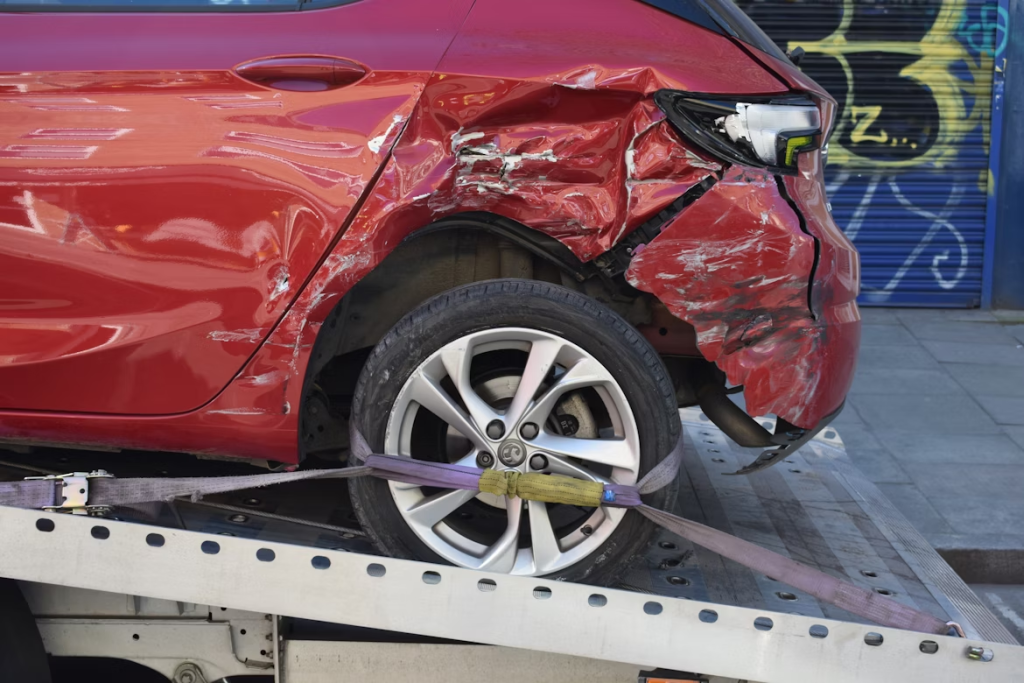
The moments after a car accident are overwhelming—but taking the right steps can make a major difference. From calling 911 to documenting the scene, seeking treatment, and contacting your insurer, every move helps protect your physical and financial recovery. If you’re unsure how to proceed, a personal injury lawyer serving Port St. Lucie can provide guidance and peace of mind.
If you would like to learn more about protecting your rights after a car crash, contact Frankl Kominsky Injury Lawyers for a free consultation.
About the Author
This article was written by a legal content expert with years of experience covering Florida traffic laws, insurance policies, and personal injury claim processes. Specializing in providing clear, practical legal advice for accident victims, the author focuses on demystifying complex legal procedures for everyday readers. Their insights are research-based and independently developed for consumer education purposes.