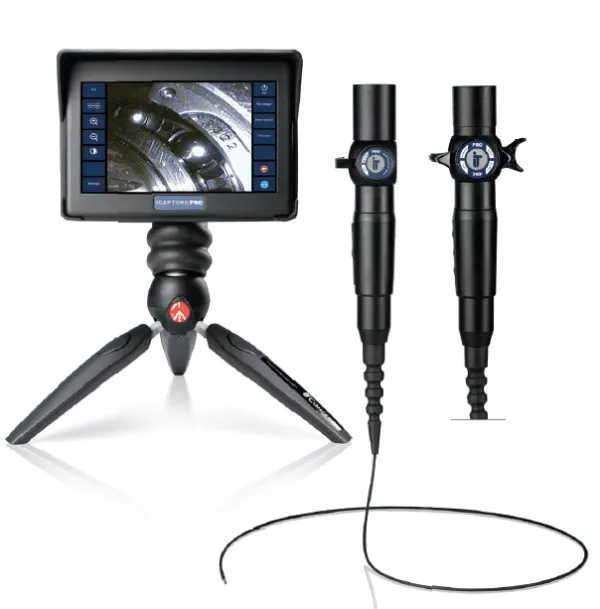

When you’re budgeting for inspection equipment, it’s easy to focus on specifications, features and price, and treat the warranty as a small detail. In reality, the borescope warranty period tells you a lot about how the manufacturer expects that tool to perform in the real world. A solid warranty is a signal of confidence in build quality, reliability and long-term support for professional borescopes.
For organisations that rely on remote visual inspection to make safety- and cost-critical decisions, understanding how borescope warranties work is part of buying smart—not just buying cheap.
Typical borescope warranty ranges
There’s no universal standard, but most borescope warranties fall into a few broad brackets:
Entry-level and consumer-grade devices
Low-cost inspection cameras and light-duty scopes—often aimed at DIY users or occasional trades work—typically come with 6 to 12 months of warranty. These products are usually not designed for daily use in heavy industrial environments, and that shorter warranty reflects their positioning.
Professional and industrial borescopes
Professional-grade systems aimed at aviation, power generation, manufacturing and service technicians more commonly carry a 1-to-2-year warranty. This acknowledges that:
- The equipment will see frequent use
- The stakes are higher if it fails mid-inspection
- Buyers expect a more durable, serviceable product
Within this category, you’ll often see different warranty terms for the control unit, insertion probe and accessories.
High-end and specialised systems
Some premium video borescopes and system platforms may offer extended warranty options or longer coverage on specific components. In those cases, the warranty is often combined with service plans, preventative maintenance or calibration agreements to provide a more complete lifecycle package.
The key takeaway is that the headline warranty period is only one part of the picture—but it’s a useful starting point when comparing tools at a similar price level.
What usually affects the warranty length?
Manufacturers don’t pick a warranty period at random. It’s shaped by:
- Intended environment – Tools built for harsh, industrial use are engineered differently and tested more rigorously.
- Component quality – Higher-quality optics, articulation mechanisms and housings are less likely to fail early.
- Service model – Some companies expect to maintain and repair equipment over time, while others treat their products more like disposable gadgets.
- User profile – A scope aimed at full-time aviation inspectors will be specified and supported differently than a camera marketed to homeowners.
If a borescope advertises impressive specs but a very short warranty, that mismatch can be a red flag. Conversely, a strong warranty from a specialist supplier often indicates a realistic understanding of how the tool will be used. Remote visual inspection providers like USA Borescopes typically back their equipment with dedicated inspection equipment services so that warranties sit within a proper support framework, not as an afterthought.
What a borescope warranty usually covers
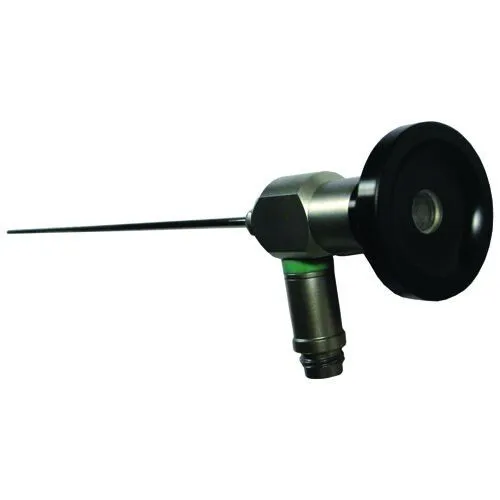
Most borescope warranties are designed to protect you against defects in materials and workmanship. In practice, that often includes:
- Faulty electronics in the control unit or display
- Camera module failures that aren’t caused by impact or misuse
- Articulation issues that arise from internal defects rather than damage
If something fails under normal, specified use during the warranty period, the supplier will typically repair or replace the unit or affected components.
Just as important is what’s not covered. Common exclusions include:
- Damage from crushing, dropping or bending the probe beyond its limits
- Chemical damage from exposure to substances outside the specified resistance
- Heat damage from use above the rated temperature
- Normal wear and tear of accessories or consumables
For inspection teams, that means two things: choosing a borescope that’s genuinely suited to the environments you work in, and ensuring users are trained not to push the probe beyond its rated conditions.
Matching warranty expectations to your industry
The right warranty period depends heavily on how your organisation actually uses borescopes. Consider the difference between:
- A small workshop using a scope once or twice a week for basic diagnostics
- A power plant carrying out regular internal inspections on turbines and boilers
- An aviation maintenance provider using borescopes daily on engines and APUs
In inspection-heavy industries, borescopes are mission-critical tools rather than occasional extras. Downtime isn’t just inconvenient; it can delay maintenance, lengthen outages and increase costs. In these settings, buyers usually look beyond the headline warranty and ask more detailed questions:
- How quickly can the supplier turn around repairs?
- Are loan or rental units available during repair work?
- Can the warranty be extended or combined with a service contract?
- What kind of support is available for troubleshooting in the field?
A slightly shorter base warranty supported by fast, competent service and realistic turnaround times can be far more valuable than a long warranty with weak practical support.
Warranty vs total cost of ownership
It’s tempting to treat warranty length as a simple scorecard, but the total cost of ownership matters more over the lifetime of the borescope. A serious inspection programme should weigh:
- Reliability and uptime – Fewer failures mean fewer interruptions and lower hidden costs.
- Repairability – Can probes, articulation sections and control units be repaired economically, or is the system effectively disposable?
- Service access – Is there a clear process for evaluation, repair and calibration?
- Training and usage – Are users shown how to handle, store and clean equipment to avoid preventable damage?
Entry-level devices with minimal coverage might look cheap initially, but repeated failures, replacements and missed defects can quickly overshadow the savings. By contrast, a robust professional system with a well-structured borescope warranty and support package can deliver much better long-term value, even if the upfront price is higher.
Questions to ask before you buy
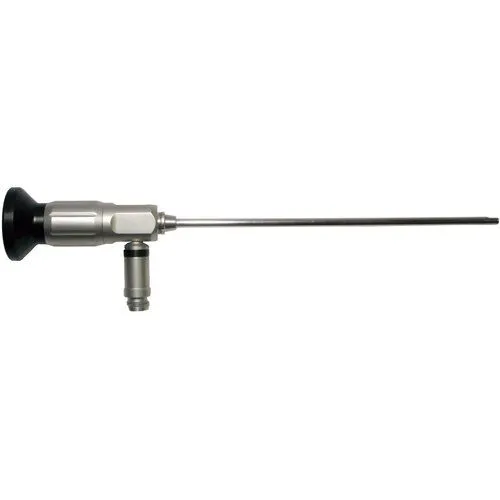
When you’re comparing borescopes, it helps to ask vendors very specific questions about warranty and support, such as:
- What is the standard warranty period for the control unit and for the probe?
- Are articulation components covered to the same extent?
- What counts as normal wear and tear in your terms?
- What is the typical turnaround time for warranty repairs?
- Do you offer extended warranties, service agreements or preventative maintenance packages?
- Is technical support included, and how can my team access it?
Suppliers who specialise in remote visual inspection should be able to answer these quickly and clearly. If the answers are vague, that’s often a clue that after-sales support may not be a priority.
How USA Borescopes approaches warranty and support
USA Borescopes focuses specifically on borescopes, inspection cameras and related accessories rather than treating these tools as generic electronics. That specialisation shapes how they think about warranty and long-term equipment care. Their team works with users in aviation, energy, manufacturing, utilities and other sectors to match borescope specifications—and associated coverage—to real-world usage patterns, rather than offering a one-size-fits-all promise.
Their experience, product focus and long-term support philosophy are outlined on the company’s About Us page, and reflected in the way they help customers understand not just what a borescope can do on day one, but how it will be supported throughout its life.
If you’re evaluating new borescopes or reviewing your current inspection toolkit, it’s worth having a detailed conversation about warranty terms, service options and realistic expectations for performance in your environment. To clarify coverage, explore suitable systems or get guidance tailored to your specific inspection workload, contact USA Borescopes and speak with their team about the best way to protect your investment in remote visual inspection.
About the Author
This guest blog was written by a technical content writer specialising in inspection and maintenance technology. They work with industrial equipment suppliers to turn complex warranty, reliability and lifecycle topics into clear, practical guidance so engineers, inspectors and buyers can choose borescopes that deliver dependable performance and long-term value.